
Insect · GBIF taxon 1315043
Variable Field Ant
Formica pallidefulvaAlso known as Field Ant
These slender, fast-moving ants are common scavengers across eastern and central North America, easily spotted darting across sunny garden paths and forest margins. They construct subterranean colonies featuring elaborate tunnels, often marked aboveground by a simple, unobtrusive entrance hole or a small gravel mound. While active predators of other small invertebrates, their nests are frequently targeted by parasitic slave-making ants that kidnap developing pupae to maintain their own workforce.
DiurnalColonialScavenger
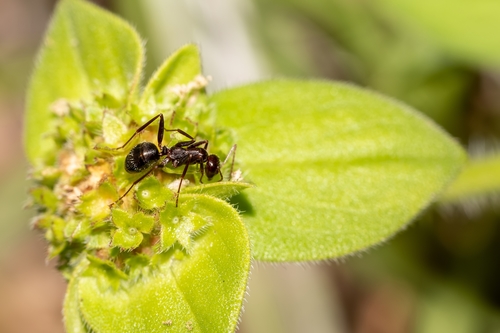
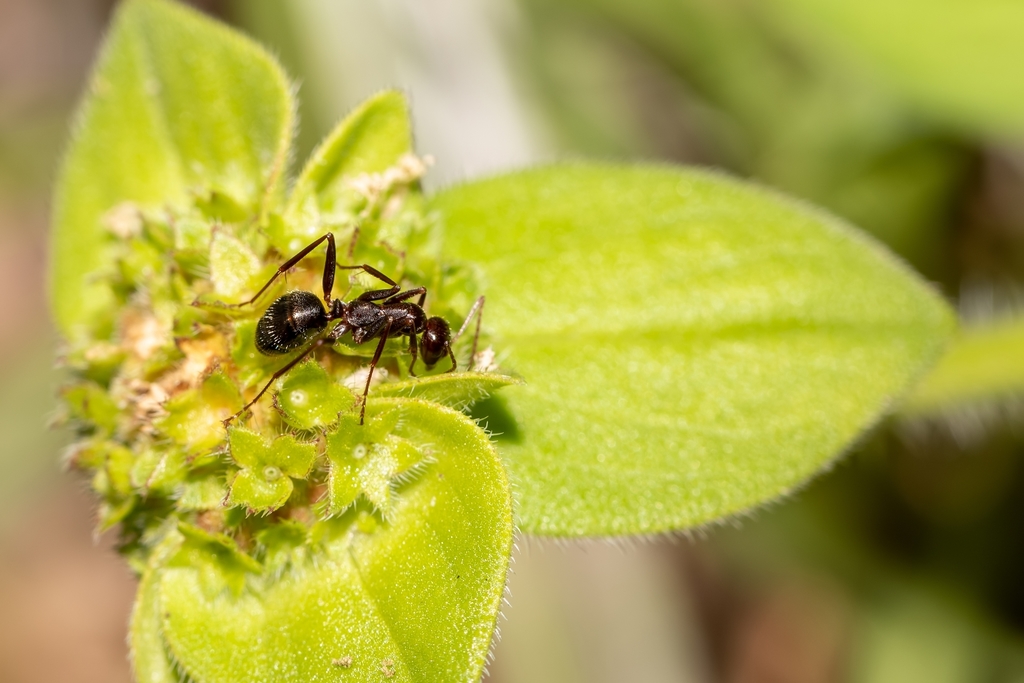
—observations
—countries
—peak records
Not EvaluatedConservation statusIUCN Red List categoriesLCNTVUENCREWEXNot Evaluated — not placed on the risk ladderRed List categories, explained →
Diet & prey
- Plant sap aphids
- Floral nectar
- Small insect larvae
Predators
- Eastern American Toad
- Northern Flicker
- Wolf Spider
ThreatsHabitat loss from extensive turf management and pesticide overuse
HabitatsOpen woodlands, meadows, prairie borders, suburban lawns, and sandy fields
Life spanWorkers live 1–3 years; queens can live over a decade
Size / weightNot available
Classification
- OrderHymenoptera
- FamilyFormicidae
- GenusFormica
- SpeciesFormica pallidefulva
Range data is not available yet.
Interaction riskLow
- Low
- Moderate
- High
- Very high
- Why interaction risk is low
- Safe to observe at a normal distance.
Responsible observation
- Nest Observation: Watch sandy trail edges on warm afternoons to see workers carrying food back to their nest entrance.
- Baiting Trails: Place a drop of diluted honey or sugar water on an index card nearby to observe rapid recruitment behavior.
 Image unavailable
Parasite Parasite 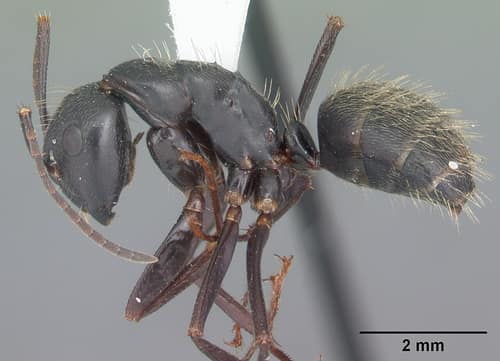
Competitor April Nobile / CC BY 4.0 · cc-by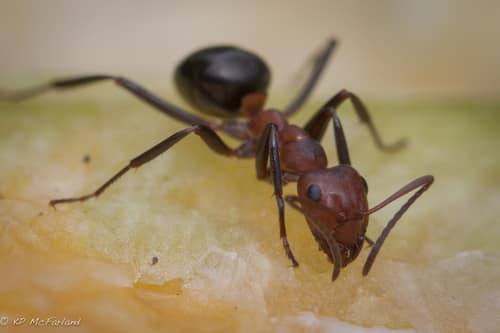
Close Relative no rights reserved, uploaded by Kent McFarland · cc0
Help improve the field guideSomething wrong?
Checking your Fauna account…Report a name, category, or profile issue for review.