
Insect · GBIF taxon 1311433
Oriental Hornet
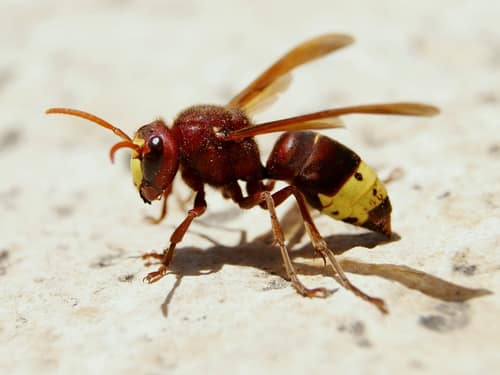
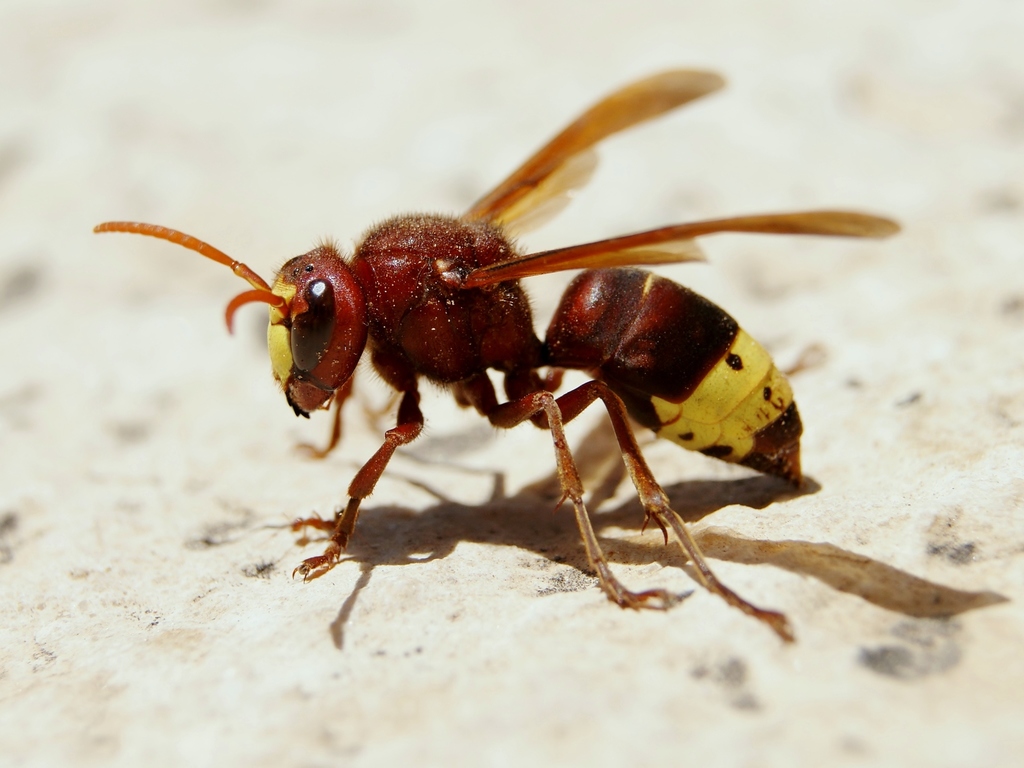
Vespa orientalisOriental hornets exhibit a fascinating biological adaptation, utilizing yellow cuticular pigments to convert solar radiation into electrical energy that aids in digging underground burrows. Operating from subterranean nests in arid and warm temperate regions, these social wasps send out workers to forage for sugar-rich fruits and protein-dense insect prey. Their coordinated raids on honeybee hives make them a major ecological and agricultural presence throughout their native range.
Social InsectVenomousSolar Powered
 1 / 6
1 / 6—observations
—countries
—peak records
Not EvaluatedConservation statusIUCN Red List categoriesLCNTVUENCREWEXNot Evaluated — not placed on the risk ladderRed List categories, explained →
Diet & prey
- Western Honey Bee
- Flies
- Fruit Nectar
Predators
- European Bee-eater
- Badgers
- Spiders
ThreatsEradication by beekeepers and nest destruction in urban areas
HabitatsArid shrublands, agricultural lands, urban areas, and subterranean burrows
Life span3–4 months for workers; up to 1 year for queens
Classification
- FamilyVespidae
- SpeciesVespa orientalis
Range data is not available yet.
Interaction riskVery high
- Low
- Moderate
- High
- Very high
- Why interaction risk is very high
- Delivers a painful venomous sting when defending the nest; observe flight paths from a safe distance.
- Why it is dangerous
- Injects toxic venom containing acetylcholine and histamine, triggering intense pain, tissue inflammation, and potentially severe allergic reactions.
- How to recognize a risky encounter
- Look for a distinct reddish-brown body with a wide yellow band across the abdomen and yellow facial markings.
- What to do
- Never disturb soil around nest entrances or attempt manual eradication without professional extermination gear.
Responsible observation
- Nest Awareness: Scan dry ground and soil cavities for steady worker flight paths before sitting or working outdoors.
- Hive Protection: Install specialized entrance guards on apiaries to prevent devastating nest invasions.
- Safe Distance: Maintain at least five meters of space from active underground nest entrances.
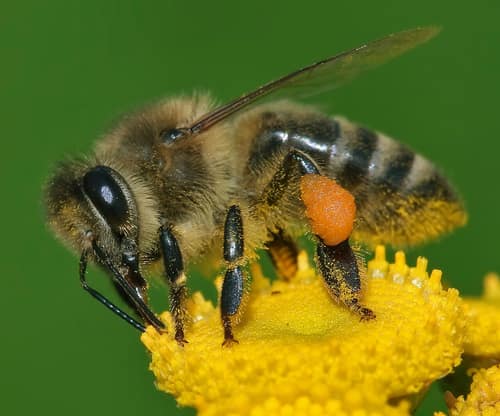
Prey Andreas Trepte / CC BY-SA 2.5 · cc-by-sa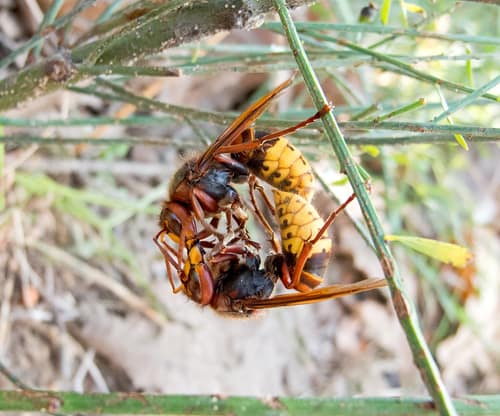
Close Relative (c) katunchik, some rights reserved (CC BY), uploaded by katunchik · cc-by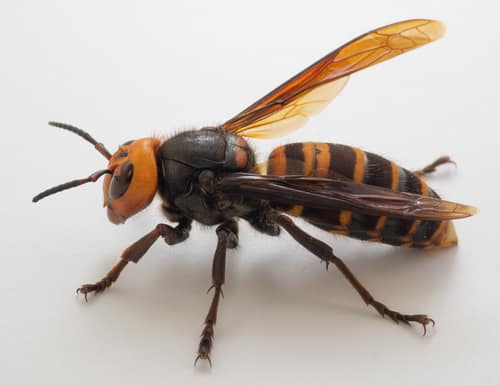
Close Relative (c) Yasunori Koide, some rights reserved (CC BY-SA) · cc-by-sa
Help improve the field guideSomething wrong?
Checking your Fauna account…Report a name, category, or profile issue for review.