
Insect
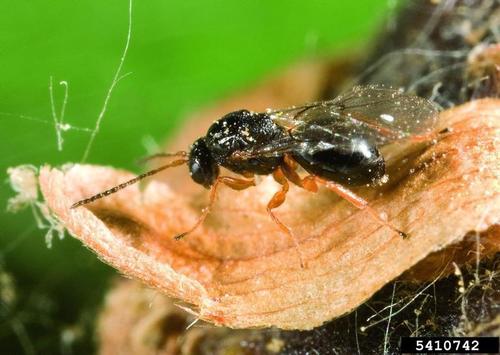
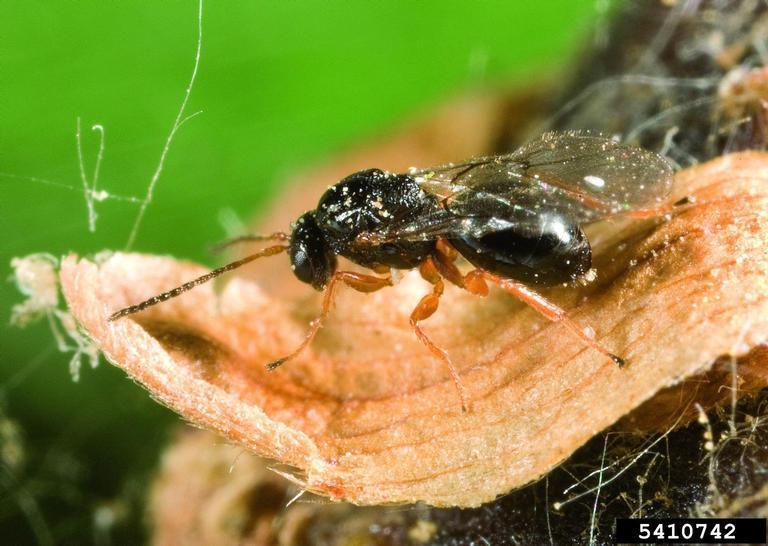
Asian Chestnut Gall Wasp
Dryocosmus kuriphilusAlso known as Chestnut Gall Wasp, Oriental Chestnut Gall Wasp
Asian chestnut gall wasps are tiny, glossy black insects that reproduce exclusively by thelytokous parthenogenesis, meaning populations consist entirely of females without need for males. In early summer, adult females deposit eggs inside developing chestnut buds, inducing spherical green-to-rose galls that disrupt twig growth and suppress flower production. Because larvae develop sheltered inside plant tissue, infestations severely weaken chestnut trees and can reduce commercial nut yields by up to eighty percent.
InvasiveGall MakerAgricultural Pest
—observations
—countries
—peak records
Not EvaluatedConservation statusIUCN Red List categoriesLCNTVUENCREWEXNot Evaluated — not placed on the risk ladderRed List categories, explained →
Diet & preyCastanea sativa gall tissue, Castanea dentata gall tissue, Castanea mollissima gall tissue
Predators
- Torymus sinensis
- Ormyrus pomaceus
- Jumping spiders
ThreatsTargeted releases of parasitoid biocontrol wasps and cold winter temperatures
HabitatsChestnut orchards, temperate deciduous forests, and woodlands
Life span1 year (adults live only 10–14 days)
Classification
- FamilyCynipidae
- SpeciesDryocosmus kuriphilus
Range data is not available yet.
Interaction riskLow
- Low
- Moderate
- High
- Very high
- Why interaction risk is low
- Safe to observe at a normal distance.
Responsible observation
- Gall inspection: Search chestnut twigs in late spring for swelling, multi-chambered red or green galls.
- Biosecurity awareness: Avoid transporting living chestnut cuttings or uninspected plant stock between regions.
 Image unavailable
Biocontrol Parasitoid 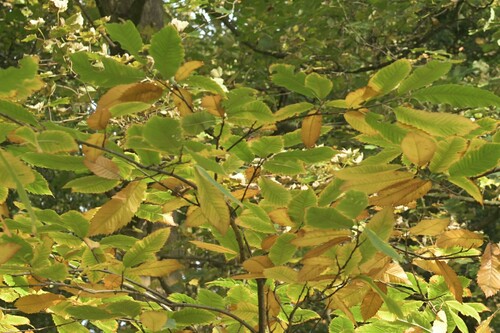
Host Plant no rights reserved · cc0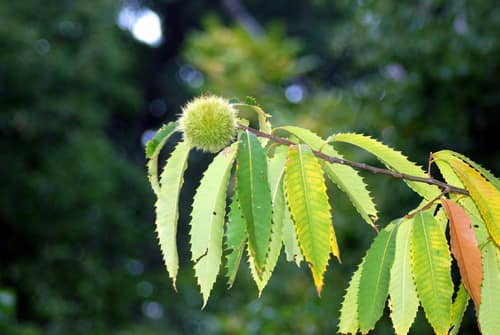
Host Plant (c) Bob MacInnes, some rights reserved (CC BY) · cc-by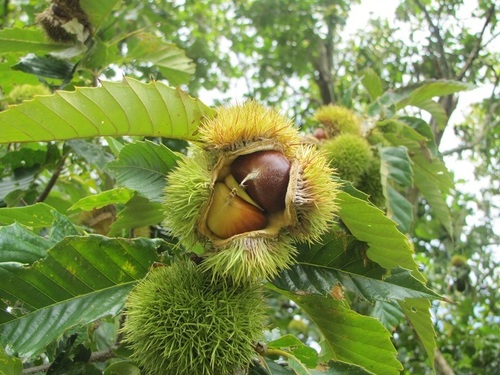
Host Plant no rights reserved, uploaded by Ken Kneidel · cc0
Help improve the field guideSomething wrong?
Checking your Fauna account…Report a name, category, or profile issue for review.