
Insect · GBIF taxon 1277947
Pimpla pedalis
Pimpla pedalisAlso known as Black Ichneumon Wasp
Pimpla pedalis is a robust black ichneumon wasp recognized by its bright reddish-orange legs and short, stout ovipositor. Females actively search forest understory foliage and leaf litter to locate moth pupae, inside which they lay a single egg. The developing larva consumes its host from within, playing a crucial role in controlling populations of forest defoliators like the pale-winged gray moth.
ParasitoidSolitaryBeneficial Insect
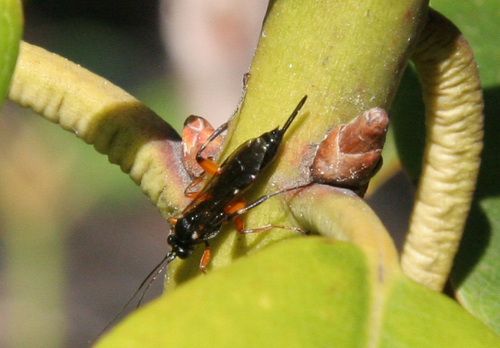
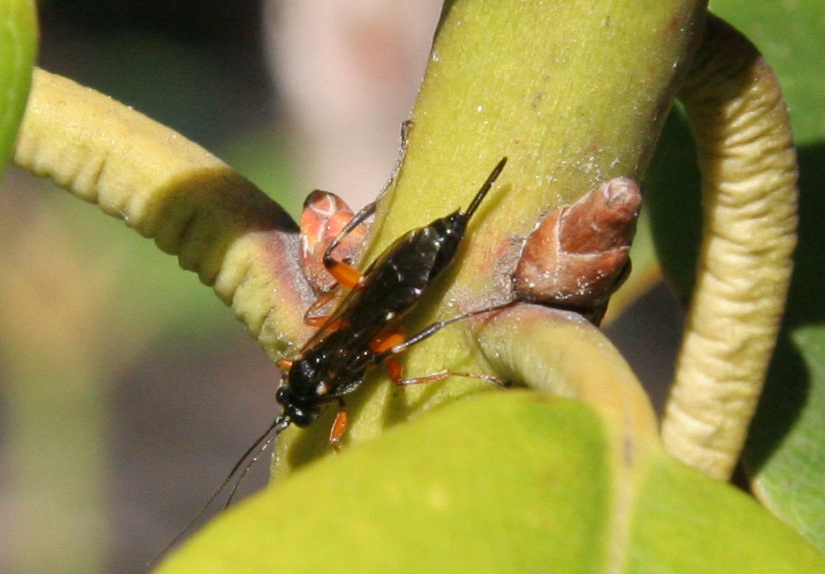
—observations
—countries
—peak records
Not EvaluatedConservation statusIUCN Red List categoriesLCNTVUENCREWEXNot Evaluated — not placed on the risk ladderRed List categories, explained →
Diet & prey
- Pale-winged gray moth pupae
- Caterpillar pupae
- Flower nectar
Predators
- Songbirds
- Orb-weaver spiders
- Tree frogs
ThreatsBroad-spectrum pesticide application and forest habitat fragmentation.
HabitatsDeciduous woodlands, mixed forests, overgrown fields, and gardens.
Life span1–3 months as adults
Classification
- OrderHymenoptera
- FamilyIchneumonidae
- GenusPimpla
- SpeciesPimpla pedalis
Range data is not available yet.
Interaction riskLow
- Low
- Moderate
- High
- Very high
- Why interaction risk is low
- Safe to observe at a normal distance.
Responsible observation
- Spotting on foliage: Look on tree trunks and undersides of leaves during late spring and summer when wasps search for host pupae.
- Supporting populations: Avoid broad-spectrum insecticides and plant nectar-rich native flowers to feed adult wasps.
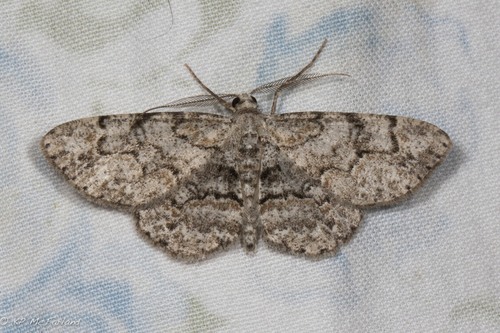
Host Species no rights reserved, uploaded by Kent P. McFarland · cc0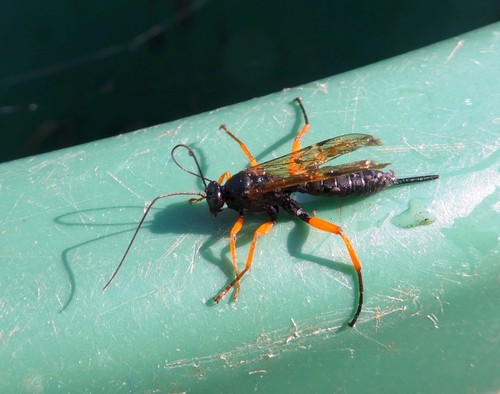
Close Relative (c) Micha Baum, some rights reserved (CC BY-SA) · cc-by-sa
Help improve the field guideSomething wrong?
Checking your Fauna account…Report a name, category, or profile issue for review.