
Insect
Habrobracon hebetor
Habrobracon hebetorAlso known as Flour Moth Parasite Wasp, Grain Moth Parasitoid
Habrobracon hebetor is a miniature parasitoid wasp renowned for its remarkable hunting precision against pyralid moth caterpillars in stored grain ecosystems. Female wasps locate host larvae by sensing chemical cues in caterpillar webbing, paralyzing their prey with a temporary venom injection before laying clusters of eggs on the host's exterior. Because the paralyzed caterpillars remain fresh while wasp larvae feed externally, this insect serves as a highly valued biological control agent in grain silos and warehouses worldwide.
ParasitoidBeneficial InsectBiological Control
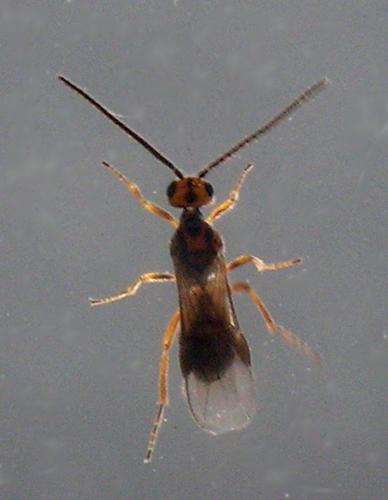
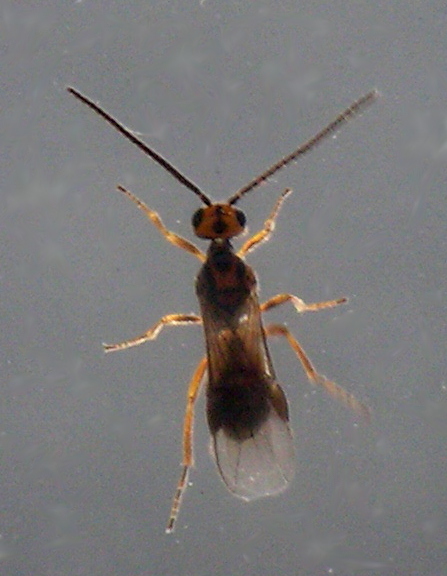
—observations
—countries
—peak records
Not EvaluatedConservation statusIUCN Red List categoriesLCNTVUENCREWEXNot Evaluated — not placed on the risk ladderRed List categories, explained →
Diet & preyIndianmeal moth larvae, Mediterranean flour moth larvae, Almond moth larvae
Predators
- Jumping spiders
- Predatory mites
- Ants
ThreatsBroad-spectrum chemical insecticide applications in stored-product facilities
HabitatsGranaries, food storage facilities, flour mills, and warm agricultural fields
Life span10 to 14 days from egg to adult; adult females live 3 to 6 weeks
Classification
- FamilyBraconidae
- SpeciesHabrobracon hebetor
Range data is not available yet.
Interaction riskLow
- Low
- Moderate
- High
- Very high
- Why interaction risk is low
- Safe to observe at a normal distance.
Responsible observation
- Biological Control: Release captive-reared adults into bulk grain or food pantries to suppress moth populations without synthetic sprays.
- Observation: Inspect infested bags of grain or animal feed under magnification to spot adult wasps hunting along silk webbing.
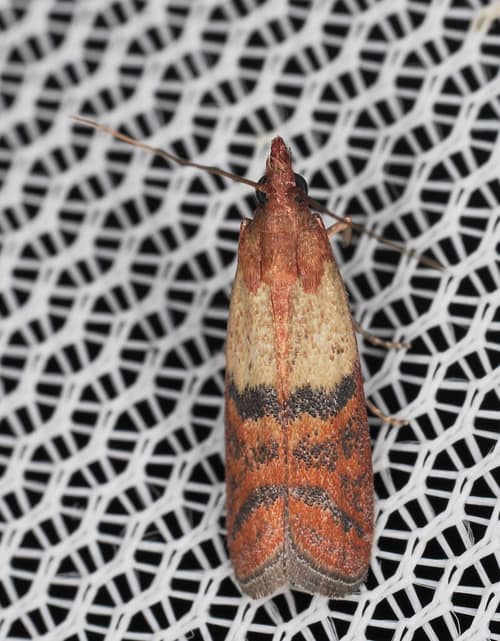
Host (c) Rosario Douglas, some rights reserved (CC BY), uploaded by Rosario Douglas · cc-by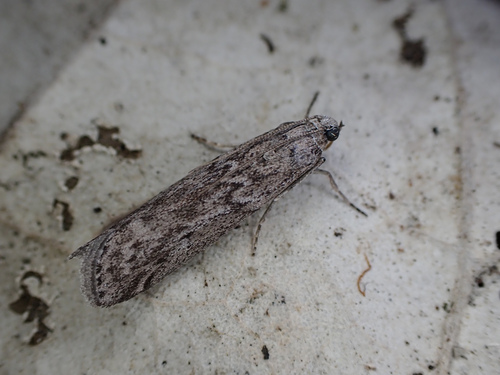
Host (c) dr_robert, some rights reserved (CC BY) · cc-by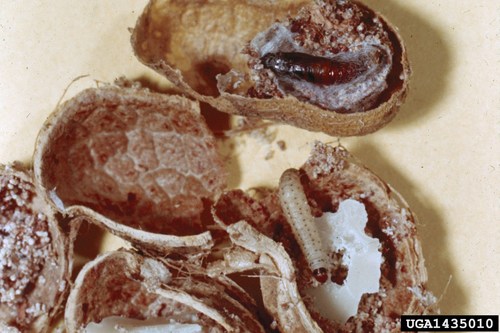
Host (c) Clemson University - USDA Cooperative Extension Slide Series, some rights reserved (CC BY) · cc-by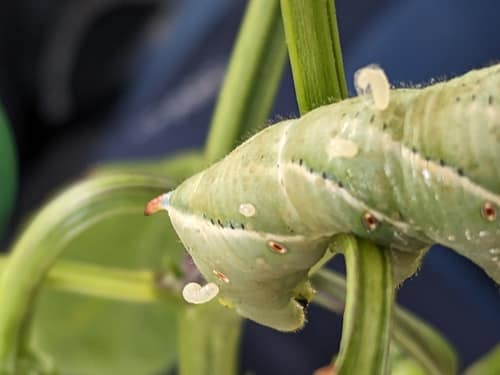
Same Family no rights reserved · cc0
Help improve the field guideSomething wrong?
Checking your Fauna account…Report a name, category, or profile issue for review.