Also known as White Butterfly Parasite, White Butterfly Parasitoid Wasp, Large White Parasitoid Wasp
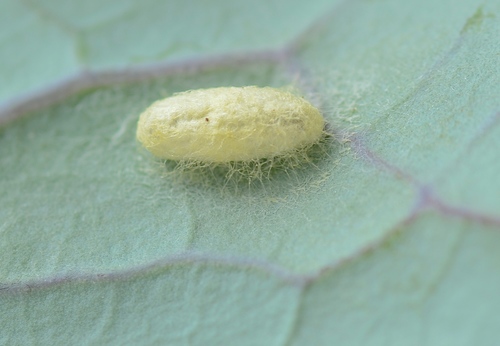
Cabbage white parasitoid wasps are tiny braconids that act as vital natural pest regulators by targeting caterpillars in the pierid family. Females pinpoint caterpillar hosts by detecting plant volatile chemicals released when brassica foliage is chewed, then inject dozens of eggs alongside symbiotic polydnaviruses that suppress the caterpillar's immune defenses. After consuming non-vital host tissues from the inside, the mature larvae chew their way out of the living host and spin clustered, sulfur-yellow silk cocoons alongside the paralyzed caterpillar.
Not EvaluatedConservation statusIUCN Red List categoriesLCNTVUENCREWEXNot Evaluated — not placed on the risk ladderRed List categories, explained →
Key facts
Diet & preyLarge White Caterpillar (Pieris brassicae), Small White Caterpillar (Pieris rapae), Floral Nectar
Predators
Hyperparasitoid Wasp (Lysibia nana)
Jumping Spiders
Green Lacewing Larvae
ThreatsBroad-spectrum chemical insecticide application and loss of nectar-rich field margins.
HabitatsVegetable gardens, agricultural brassica fields, pastures, and open meadows.
Life span2–4 weeks as adults (entire life cycle completes in 20–30 days).
Classification
FamilyBraconidae
SpeciesCotesia glomerata
Range & activity
Range data is not available yet.
Safe observation
Interaction riskLow
Low
Moderate
High
Very high
Why interaction risk is low
Harmless to humans; cannot sting and safe to observe at close range.
Responsible observation
Garden Scouting: Check the undersides of cabbage and broccoli leaves for clusters of tiny, fuzzy yellow cocoons resting next to shriveled caterpillars.
Beneficial Companion Planting: Grow shallow, nectar-rich flowers like sweet alyssum and dill near vegetable patches to fuel adult wasps.
Pesticide Avoidance: Refrain from using broad-spectrum synthetic pesticides to allow natural biological control to build self-sustaining populations.

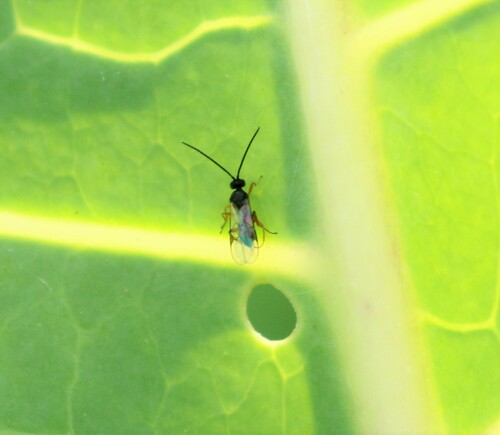
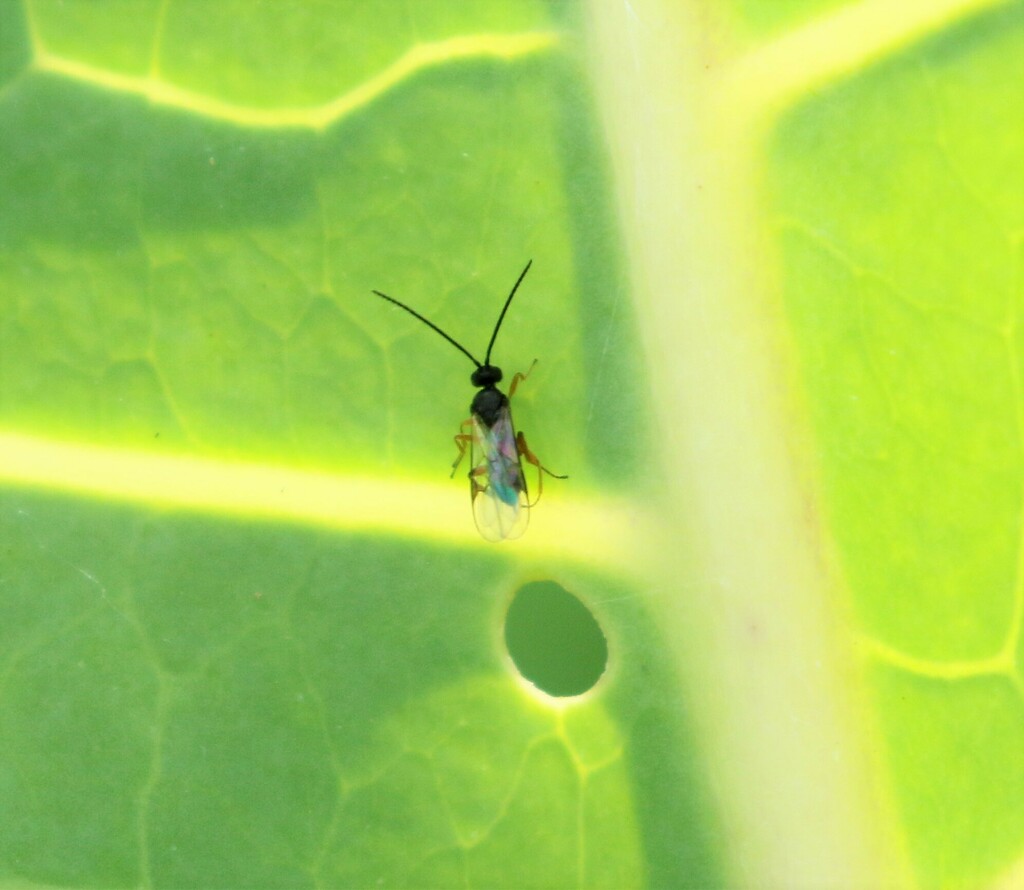
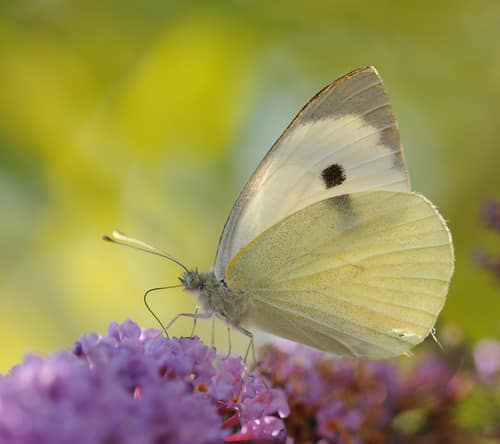
 Image unavailable