
Insect · GBIF taxon 1249184
Blue-eyed Ensign Wasp
Evania appendigasterAlso known as Ensign Wasp, Cockroach Egg Parasitoid Wasp, American Ensign Wasp
Blue-eyed ensign wasps are easily recognized by their striking blue eyes and small, high-attached abdomen that bobs continuously like a signaling flag. These beneficial solitary insects spend their days searching buildings and gardens for cockroach egg cases to deposit a single egg inside. The emerging wasp larva consumes the developing cockroach eggs from within, serving as an effective natural pest controller.
ParasitoidBeneficialSolitary
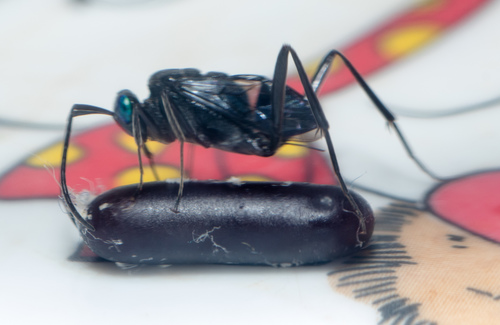
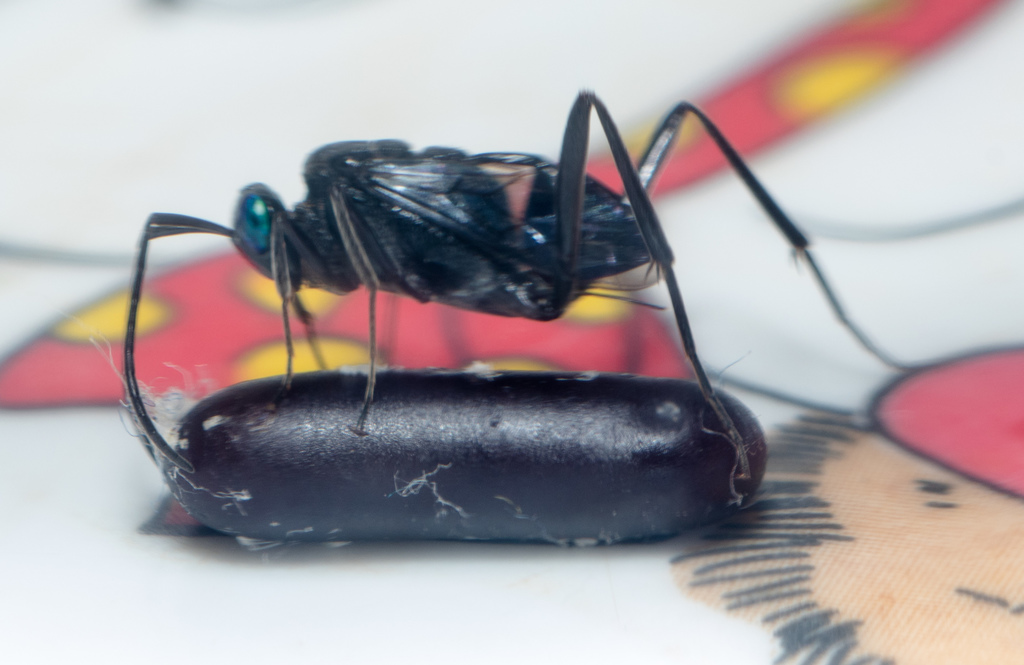
—observations
—countries
—peak records
Not EvaluatedConservation statusIUCN Red List categoriesLCNTVUENCREWEXNot Evaluated — not placed on the risk ladderRed List categories, explained →
Diet & prey
- Cockroach Eggs
- Floral Nectar
- Honeydew
Predators
- Spiders
- Lizards
- Birds
ThreatsIndoor chemical pesticides and habitat sanitation reducing prey availability.
HabitatsUrban buildings, home interiors, gardens, compost heaps, and tropical forests.
Life spanAdults live 2–7 weeks; total development takes 1–2 months.
Classification
- OrderHymenoptera
- FamilyEvaniidae
- GenusEvania
- SpeciesEvania appendigaster
Range data is not available yet.
Interaction riskLow
- Low
- Moderate
- High
- Very high
- Why interaction risk is low
- Harmless to humans and pets; incapable of stinging or biting.
Responsible observation
- Observation: Look for them on sunny walls or indoors near damp areas where roaches hide.
- Tolerance: Allow these beneficial insects to remain indoors to naturally suppress pests.
- Identification: Watch for the rhythmic, flag-like bobbing of the tiny black abdomen.
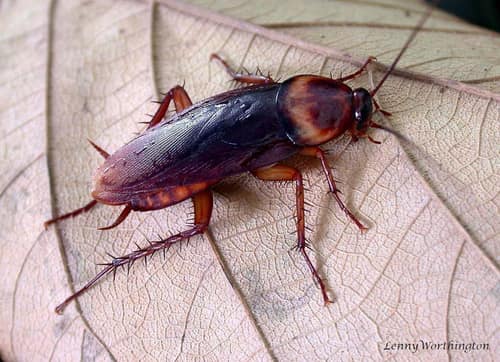
Primary Host (c) Len Worthington, some rights reserved (CC BY-SA) · cc-by-sa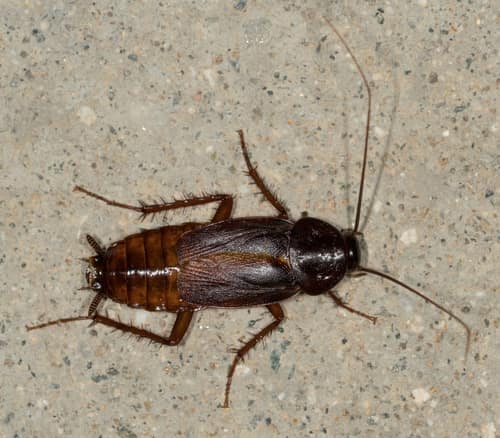
Host Species no rights reserved, uploaded by Jesse Rorabaugh · cc0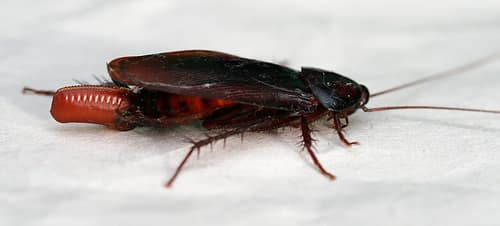
Host Species Toby Hudson / CC BY-SA 3.0 · cc-by-sa Image unavailable
Close Relative
Help improve the field guideSomething wrong?
Checking your Fauna account…Report a name, category, or profile issue for review.