
Plant · GBIF taxon 12262828
Giant Sword Fern
Nephrolepis biserrataAlso known as Broad Sword Fern, Giant Swordfern
Giant sword ferns produce dramatic, arching fronds that can reach up to four meters in length, creating dense understory thickets in warm, humid environments. These robust plants grow both on the ground and as epiphytes on trees, particularly cabbage palms, where they catch falling organic debris. Their sprawling root systems and thick foliage provide essential shelter for small reptiles, amphibians, and insects.
TropicalEpiphyticEvergreen
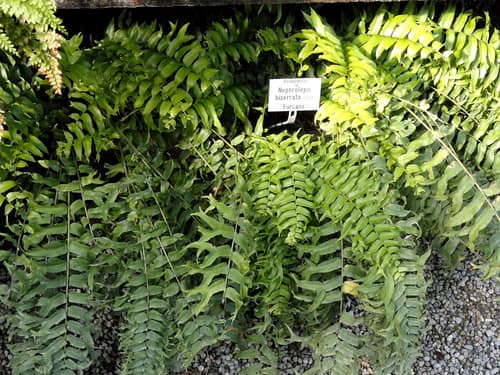
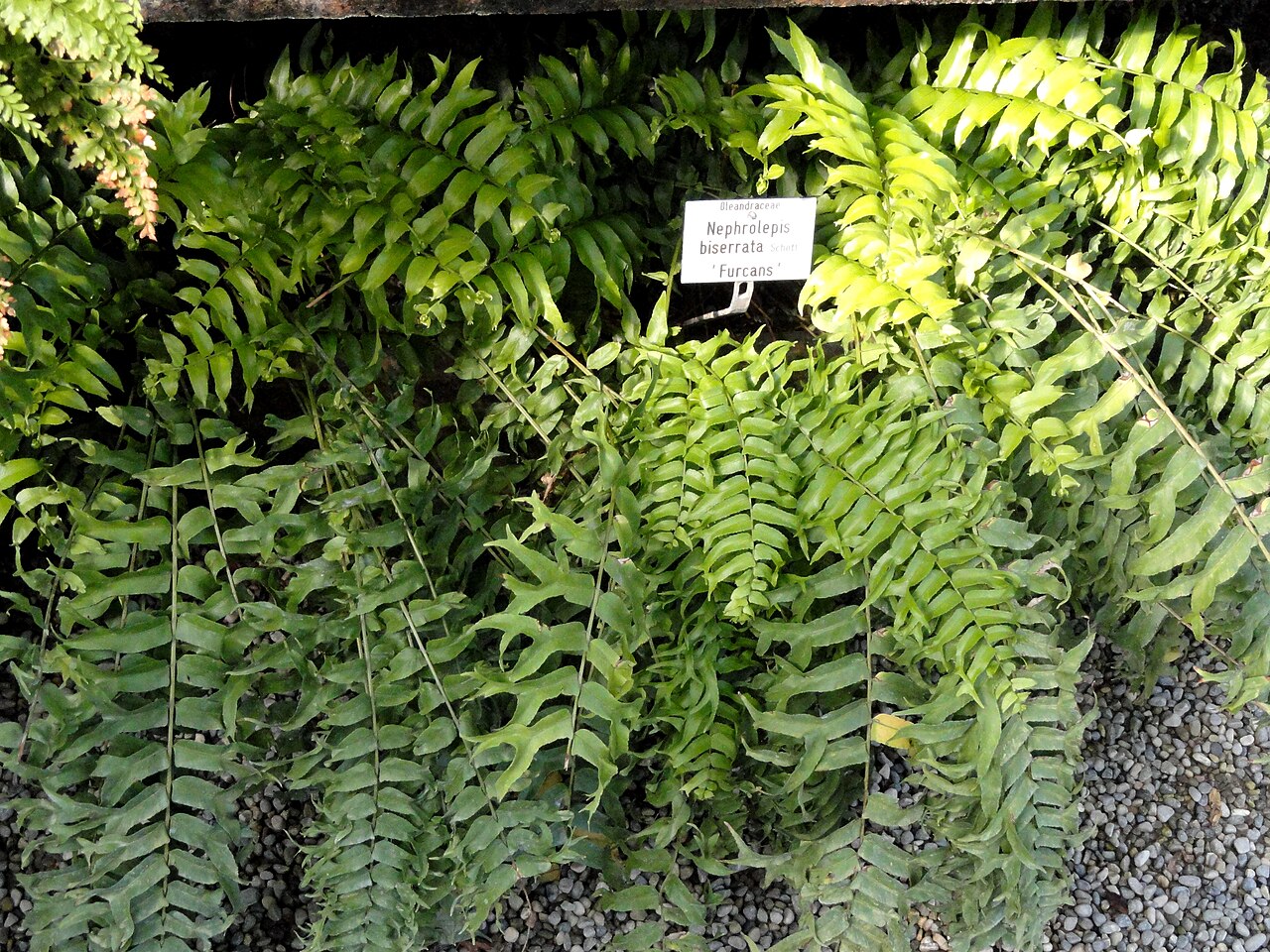
—observations
—countries
—peak records
Not EvaluatedConservation statusIUCN Red List categoriesLCNTVUENCREWEXNot Evaluated — not placed on the risk ladderRed List categories, explained →
Diet & prey
- Sunlight, water, and organic nutrients absorbed from soil or host bark
Predators
- Herbivorous insects
- Snails
- Slugs
ThreatsHabitat destruction, invasive species competition, and extreme freezes
HabitatsSwamps, wet hammocks, moist forests, and palm trunks
Life spanPerennial (can live for decades via rhizomes)
Size / weightNot available
Classification
- FamilyNephrolepidaceae
- SpeciesNephrolepis biserrata
Range data is not available yet.
Interaction riskLow
- Low
- Moderate
- High
- Very high
- Why interaction risk is low
- Safe to observe at a normal distance.
Responsible observation
- Look at the pinnae: Examine the leaflets, which have finely toothed margins and a distinct auricle at the base.
- Check the trunk: Search the trunks of cabbage palms in wet hammocks to find them growing epiphytically.
- Avoid trampling: Watch your step in sensitive wetland habitats to avoid damaging the delicate rhizomes.
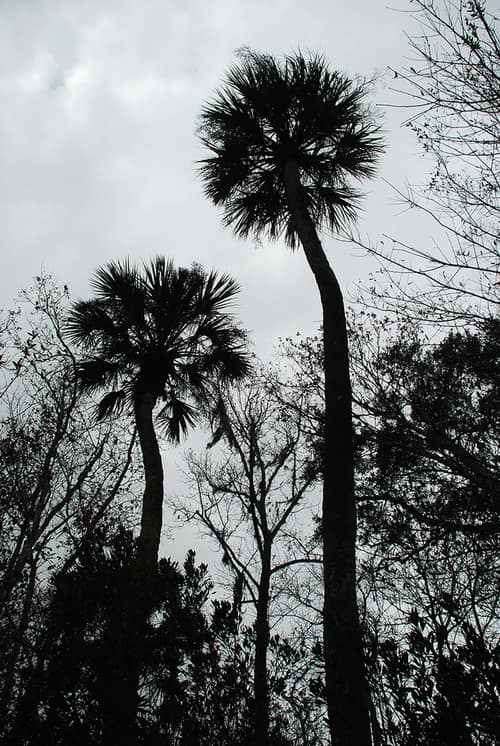
Host Plant (c) Douglas Goldman, some rights reserved (CC BY-SA), uploaded by Douglas Goldman · cc-by-sa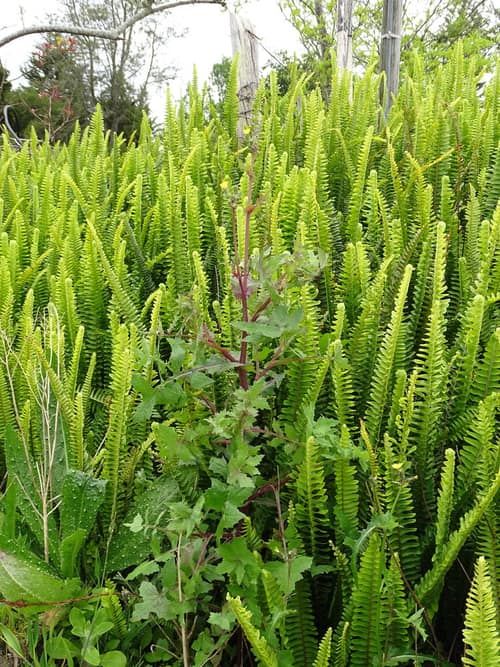
Invasive Competitor (c) Shaun Swanepoel, some rights reserved (CC BY), uploaded by Shaun Swanepoel · cc-by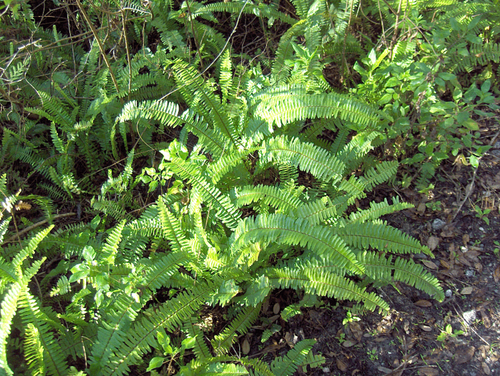
Close Relative Homer Edward Price / CC BY 2.0 · cc-by
Help improve the field guideSomething wrong?
Checking your Fauna account…Report a name, category, or profile issue for review.