
Insect · GBIF taxon 12258652
Gray Buckeye
Junonia griseaAlso known as Grey Buckeye, Western Buckeye
Gray buckeyes spend warm western days patrolling sunny, open territory, frequently landing on bare ground to bask or guard small perches. Males vigorously chase away rival butterflies while females search out host plants like plantains and monkeyflowers to deposit small green eggs. Prominent concentric eyespots on the upper wing surfaces startle hungry birds and redirect predatory strikes away from the butterfly's vital body parts.
DiurnalEyespotsPollinator
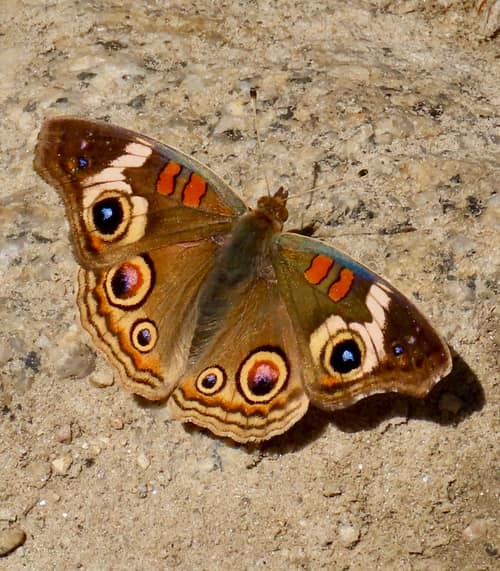
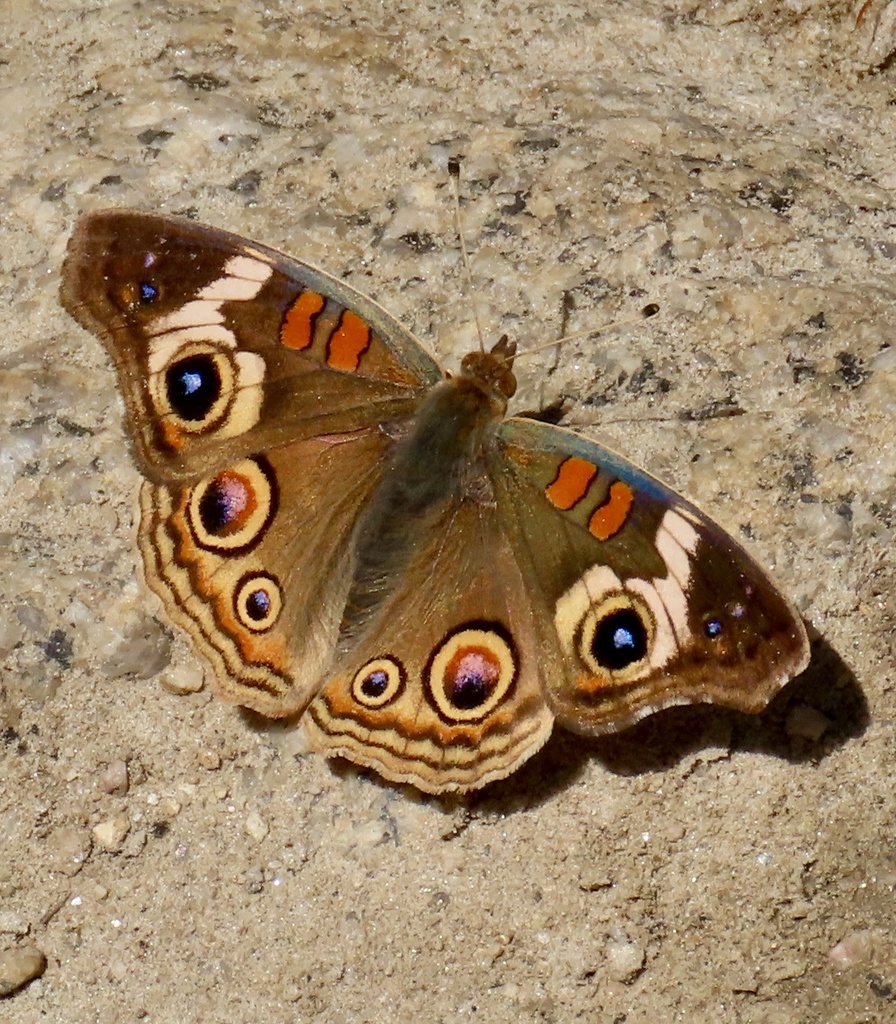
—observations
—countries
—peak records
Not EvaluatedConservation statusIUCN Red List categoriesLCNTVUENCREWEXNot Evaluated — not placed on the risk ladderRed List categories, explained →
Diet & prey
- Flower Nectar
- Plantain Leaves
- Monkeyflower Leaves
Predators
- Birds
- Spiders
- Praying Mantises
ThreatsPesticide spraying, severe drought, and coastal habitat loss.
HabitatsOpen fields, chaparral, coastal scrub, road edges, and sunny gardens.
Life span1–2 months as adult
Classification
- FamilyNymphalidae
- SpeciesJunonia grisea
Range data is not available yet.
Interaction riskLow
- Low
- Moderate
- High
- Very high
- Why interaction risk is low
- Safe to observe at a normal distance.
Responsible observation
- Ground Observation: Search sunny dirt paths and open ground where adults like to bask.
- Nectar Gardening: Plant native composite flowers and lantana to lure adults into gardens.
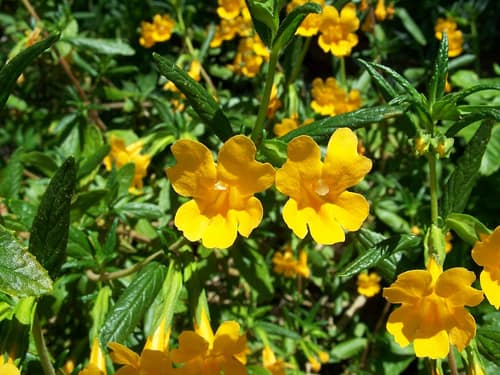
Host Plant Eugene Zelenko / CC BY-SA 4.0 · cc-by-sa Image unavailable
Host Plant 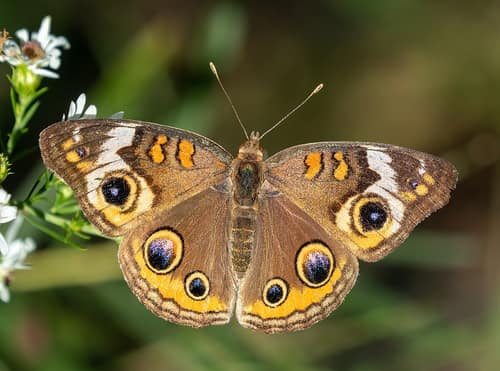
Close Relative Rhododendrites / CC BY-SA 4.0 · cc-by-sa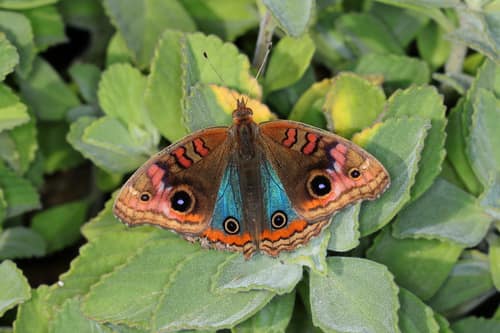
Genus Relative (c) Carlos Alexandre Mattos Raposo, some rights reserved (CC BY-SA), uploaded by Carlos Alexandre Mattos Raposo · cc-by-sa
Help improve the field guideSomething wrong?
Checking your Fauna account…Report a name, category, or profile issue for review.