
Flower
Pale Gentian
Gentiana albaAlso known as White Gentian, Cream Gentian, Yellowish Gentian
Pale gentian is a perennial wildflower of tallgrass prairies and open savannahs, distinguished by its creamy, yellowish-white bottle-shaped blooms. Bumblebees are among the few insects strong enough to pry open the closed corolla tubes to access the nectar inside. Late in the summer, its sturdy erect stems stand out among prairie grasses, anchored by a deep taproot that helps it endure drought.
Prairie NativePerennialLate Bloomer
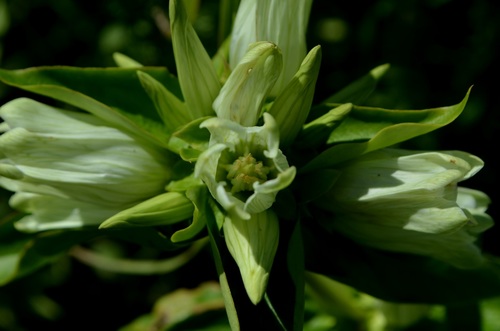
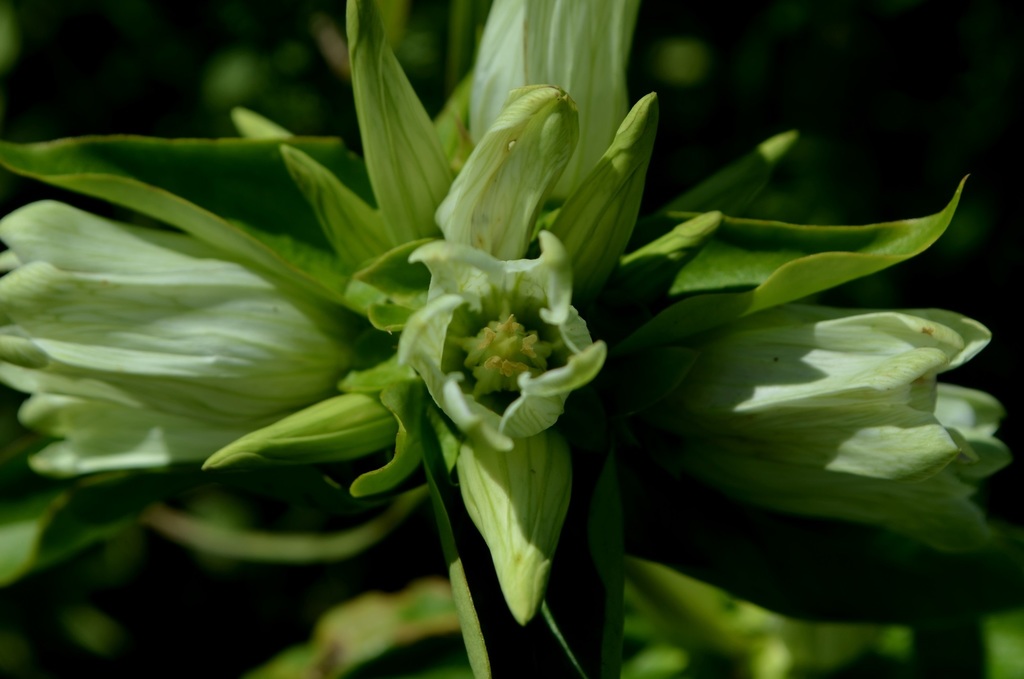
—observations
—countries
—peak records
Least ConcernConservation statusIUCN Red List categoriesLCNTVUENCREWEXLeast ConcernRed List categories, explained →
Diet & preySunlight, Water, Soil Nutrients
Predators
- White-tailed Deer
- Rabbits
- Small Mammals
ThreatsHabitat destruction, fire suppression, encroaching woody vegetation
HabitatsTallgrass prairies, savannahs, open woodlands, limestone glades
Life spanPerennial (10–20 years)
Classification
- OrderGentianales
- FamilyGentianaceae
- GenusGentiana
- SpeciesGentiana alba
Range data is not available yet.
Interaction riskLow
- Low
- Moderate
- High
- Very high
- Why interaction risk is low
- Safe to observe at a normal distance.
- What to notice
- Recognizable by erect stems bearing clusters of yellowish-white, closed tubular flowers in late summer.
- Support conservation
- Observe from established trails without stepping on surrounding vegetation or harvesting seed pods.
Responsible observation
- Observation: Look for late-summer blooms in high-quality tallgrass prairie remnants.
- Pollinator Watching: Pause near closed flowers to watch bumblebees force their way inside.
- Conservation: Avoid disturbing the soil or picking blooms to protect local seed production.
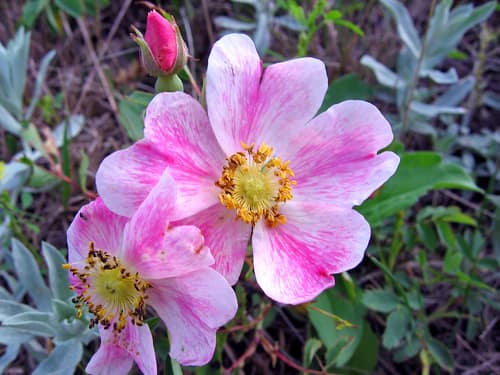
Frequent Companion "Prairie Rose" by USFWS Mountain Prairie is licensed under CC BY 2.0. To view a copy of this license, visit https://creativecommons.org/licenses/by/2.0/. · cc-by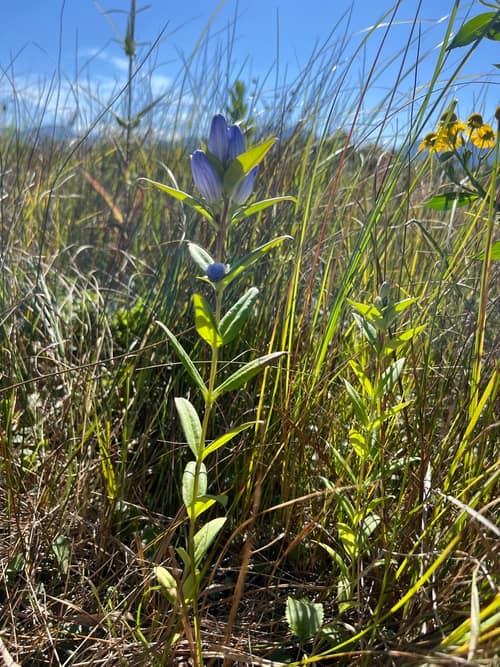
Close Relative (c) Jared Shorma, some rights reserved (CC BY) · cc-by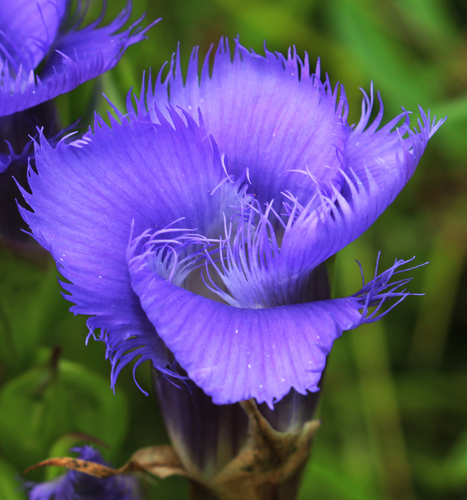
Close Relative (c) aarongunnar, some rights reserved (CC BY), uploaded by aarongunnar · cc-by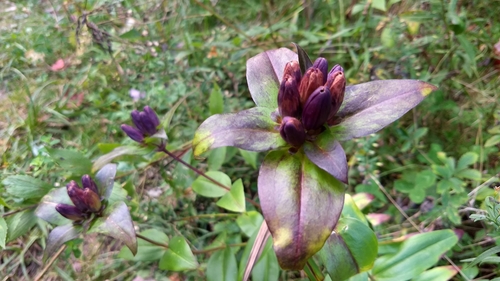
Close Relative no rights reserved · cc0
Help improve the field guideSomething wrong?
Checking your Fauna account…Report a name, category, or profile issue for review.