
Fungus
Pale Brittlestem
Candolleomyces candolleanusAlso known as Common Brittlestem, Candolle's Brittlestem
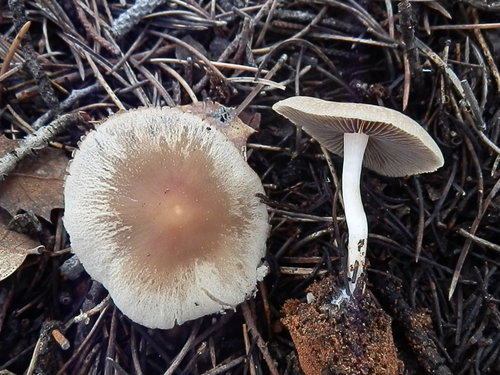
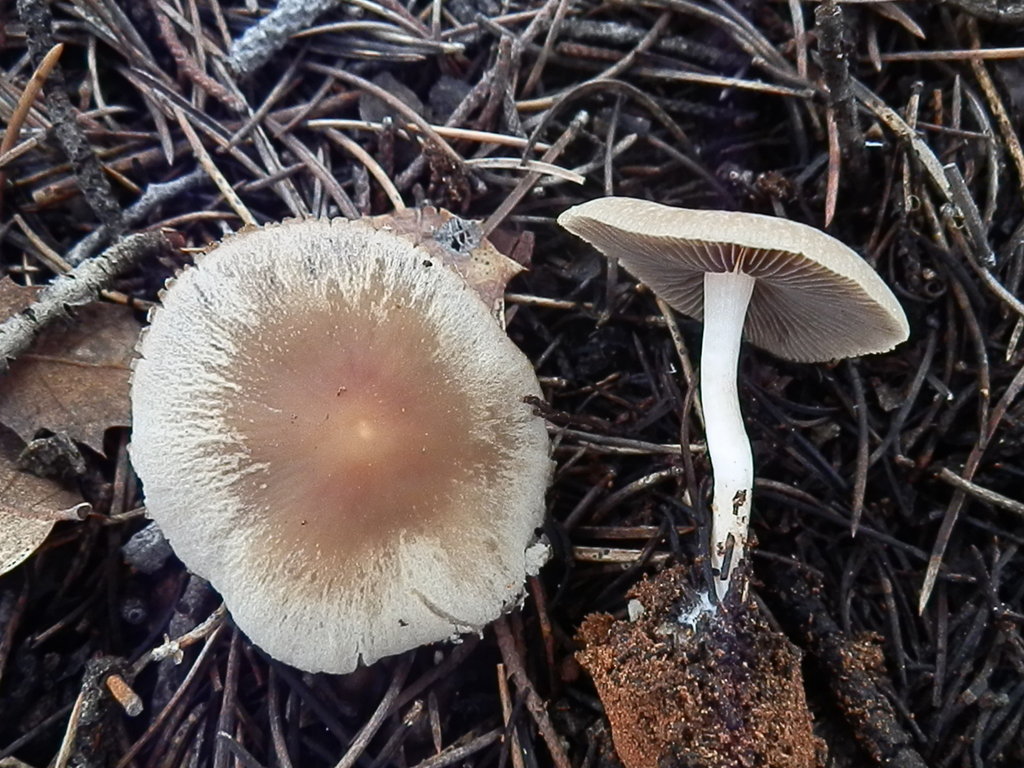
Pale brittlestems sprout in dense clusters from buried wood, woodchips, and shaded lawns following warm rains. Their bell-shaped caps emerge honey-brown before fading to a pale ivory as they dry, often retaining wispy veil remnants along the cap edges. The thin, hollow white stems break easily at the slightest touch, reflecting their role as delicate saprobes breaking down decaying organic matter.
SaprobicFungusFragile
—observations
—countries
—peak records
Not EvaluatedConservation statusIUCN Red List categoriesLCNTVUENCREWEXNot Evaluated — not placed on the risk ladderRed List categories, explained →
Diet & preyDead Hardwood, Wood Chips, Plant Litter
Predators
- Slugs
- Fungus Gnats
- Beetles
ThreatsChemical lawn treatments and intensive landscape clearing
HabitatsLawns, gardens, woodchips, leaf litter, and woodland edges
Life spanEphemeral (fruiting bodies last 1 to 3 days)
Classification
- OrderAgaricales
- FamilyPsathyrellaceae
- GenusCandolleomyces
- SpeciesCandolleomyces candolleanus
Range data is not available yet.
Interaction riskLow
- Low
- Moderate
- High
- Very high
- Why interaction risk is low
- Many edible mushrooms have toxic look-alikes; never eat wild fungi based on app identification alone.
Responsible observation
- Observe the Cap: Look for wispy white veil fragments hanging along the cap edge on young specimens.
- Check the Gills: Note how pale greyish gills mature to dark purplish brown as spores ripen.
- Handle Gently: Examine stems carefully without pressing hard, as they snap with minimal pressure.
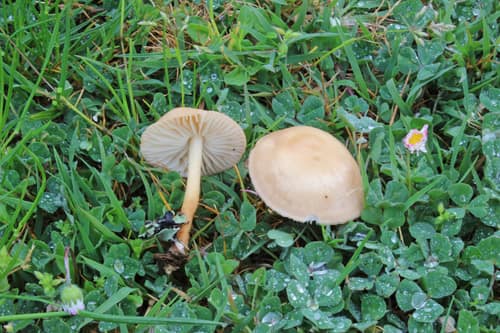
Frequent Companion (c) Davide Puddu, some rights reserved (CC BY), uploaded by Davide Puddu · cc-by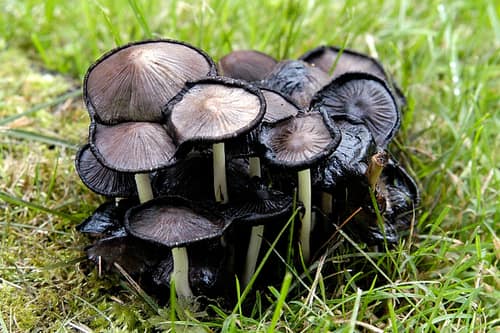
Close Relative James Lindsey / CC BY-SA 3.0 · cc-by-sa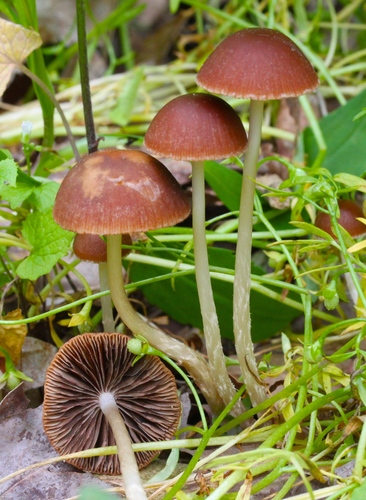
Close Relative (c) Fluff Berger, some rights reserved (CC BY-SA), uploaded by Fluff Berger · cc-by-sa
Help improve the field guideSomething wrong?
Checking your Fauna account…Report a name, category, or profile issue for review.