
Insect
Black Vine Weevil
Otiorhynchus sulcatusAlso known as Taxus Weevil, Vine Weevil
Black vine weevils are flightless beetles notorious among gardeners for their distinctive notched feeding damage along leaf margins. Nearly all individuals are female, reproducing parthenogenetically and laying hundreds of eggs in soil without ever mating. While nocturnal adults chew foliage, their soil-dwelling grubs cause far greater damage by girdling roots and killing woody ornamental plants.
NocturnalFlightlessHerbivorous
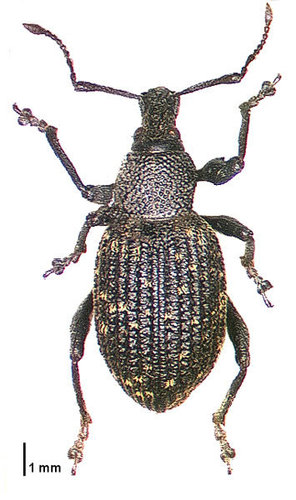
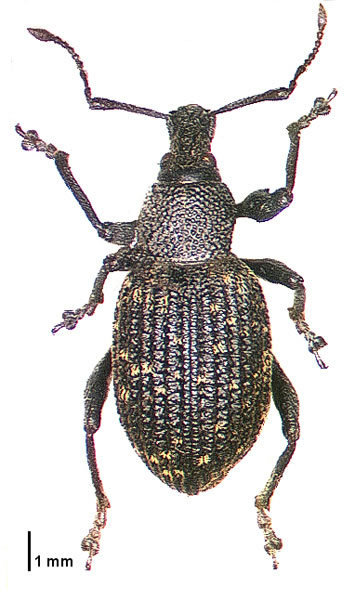
—observations
—countries
—peak records
Not EvaluatedConservation statusIUCN Red List categoriesLCNTVUENCREWEXNot Evaluated — not placed on the risk ladderRed List categories, explained →
Diet & preyRhododendron leaves, Yew roots, Strawberry foliage and roots
Predators
- Ground beetles
- Entomopathogenic nematodes
- Toads
ThreatsNematode applications, insectivorous predators, and chemical pest control
HabitatsGardens, nurseries, vineyards, and temperate woodlands
Life span1–2 years
Classification
- OrderColeoptera
- FamilyCurculionidae
- GenusOtiorhynchus
- SpeciesOtiorhynchus sulcatus
Range data is not available yet.
Interaction riskLow
- Low
- Moderate
- High
- Very high
- Why interaction risk is low
- Harmless to humans and safe to observe at a normal distance.
Responsible observation
- Night Spotting: Check the leaves of rhododendrons or euonymus after dusk with a flashlight to find adults feeding.
- Feigned Death: Notice that touched adults tuck their legs and drop instantly to the ground, playing dead among the leaf litter.
- Root Inspection: Shake soil from wilting container plants to look for white, legless, C-shaped larvae chewing the roots.
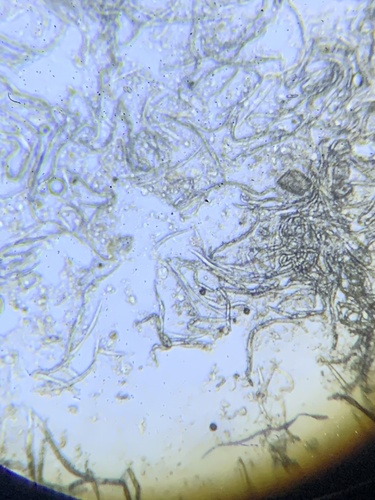
Parasite (c) Liam Steele, some rights reserved (CC BY), uploaded by Liam Steele · cc-by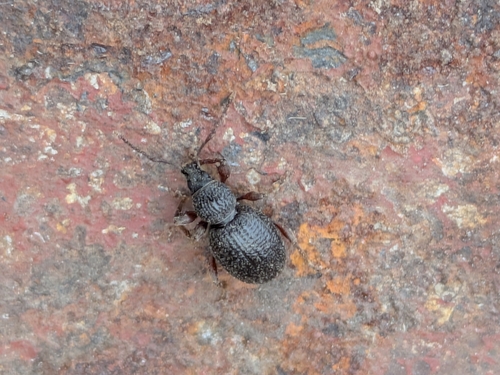
Close Relative (c) Stephenie, some rights reserved (CC BY) · cc-by Image unavailable
Close Relative 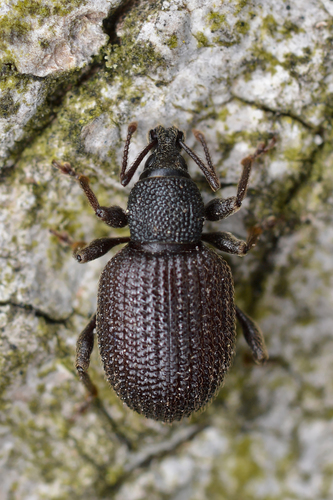
Close Relative (c) Ryan Hodnett, some rights reserved (CC BY-SA) · cc-by-sa
Help improve the field guideSomething wrong?
Checking your Fauna account…Report a name, category, or profile issue for review.