
Plant
River Red Gum
Eucalyptus camaldulensisAlso known as Murray Red Gum, Red Gum
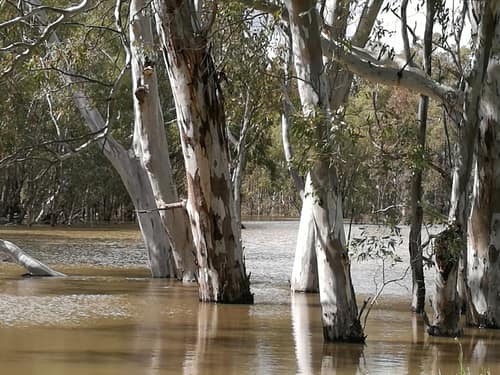
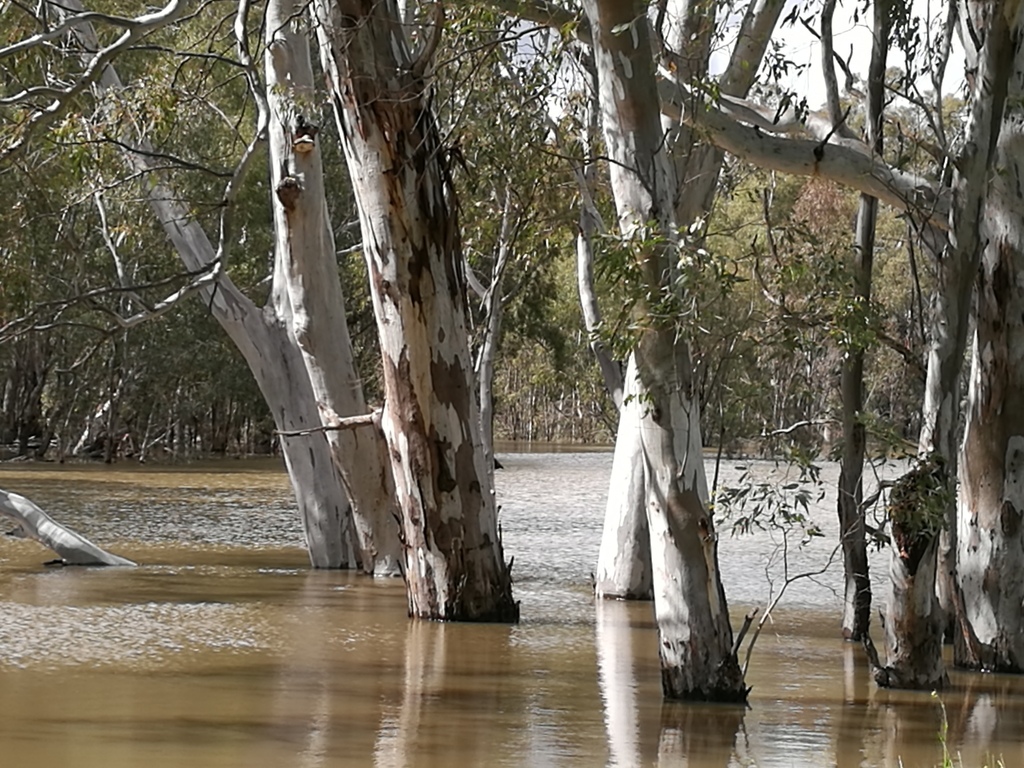
River red gums anchor the freshwater river systems of inland Australia, sending deep taproots down to the water table to endure severe arid droughts. Mature hollows take over a century to form, providing critical nesting and roosting habitat for dozens of bird, bat, and marsupial species. Known among campers as widow makers, these giants readily self-prune massive limbs during prolonged heat or water stress to conserve moisture.
RiparianIconicFlowering
—observations
—countries
—peak records
Near ThreatenedConservation statusIUCN Red List categoriesLCNTVUENCREWEXNear ThreatenedRed List categories, explained →
Diet & preyPhotosynthesis
Predators
- Koala
- Red gum lerp psyllid
- Longicorn beetle larvae
ThreatsRiver regulation, altered flood regimes, salinity, and firewood harvesting
HabitatsRiparian corridors, floodplains, billabongs, and ephemeral watercourses
Life span500–1,000 years
Classification
- OrderMyrtales
- FamilyMyrtaceae
- GenusEucalyptus
- SpeciesEucalyptus camaldulensis
Range data is not available yet.
Interaction riskHigh
- Low
- Moderate
- High
- Very high
- Why interaction risk is high
- Foliage contains concentrated essential oils toxic to dogs and cats if ingested.
- Why it is dangerous
- Leaves and bark contain high levels of cineole and volatile terpenes that cause vomiting, excessive drooling, diarrhea, and weakness in pets.
- How to recognize a risky encounter
- Look for a spreading canopy with drooping, sickle-shaped leaves and smooth, mottled cream and grey bark.
- What to do
- Prevent dogs from chewing on fallen branches or foliage, and exercise care around brittle, falling limbs.
- What to notice
- Dominates riparian zones throughout the interior, recognizable by massive twisted trunks tracing river meanders.
- Support conservation
- Avoid driving vehicles across exposed root zones and leave dead fallen timber on the ground for local wildlife.
Responsible observation
- Campsite safety: Never pitch tents or park vehicles directly under large horizontal branches.
- Hollow watching: Scan dead spouts at dusk to spot emerging parrots, owls, or gliders.
- Bark inspection: Examine smooth trunks after winter rains to appreciate vivid yellow and grey hues.
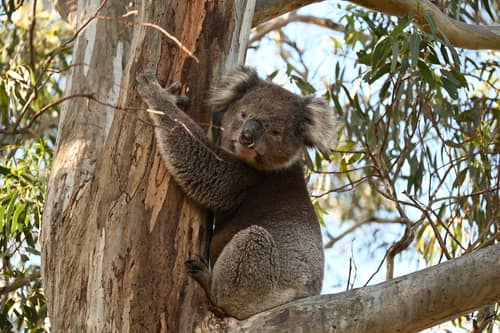
Herbivore (c) jraus, some rights reserved (CC BY-SA) · cc-by-sa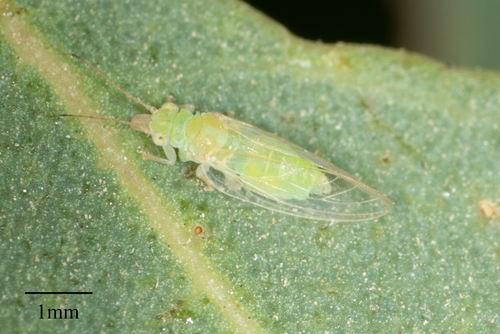
Parasite no rights reserved, uploaded by Jesse Rorabaugh · cc0
Habitat Partner (c) anonymous, some rights reserved (CC BY-SA) · cc-by-sa Image unavailable
Close Relative
Help improve the field guideSomething wrong?
Checking your Fauna account…Report a name, category, or profile issue for review.