
Species
Polacanthus foxii
Polacanthus foxiiPolacanthus foxii roamed the subtropical floodplains of Early Cretaceous England, heavily protected by rows of sharp spines lining its shoulders and a fused bony shield across its hips. Unlike club-tailed ankylosaurids, this nodosaurid relied entirely on passive defense and low-slung stability to deter hunting theropods. It browsed tough, low-growing vegetation such as ferns, bennettitaleans, and cycads using small, leaf-shaped teeth.
ArmoredHerbivore
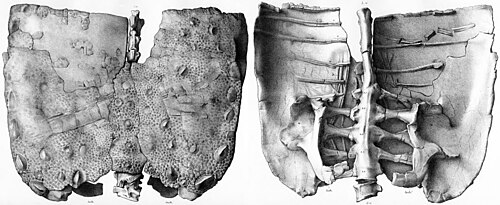
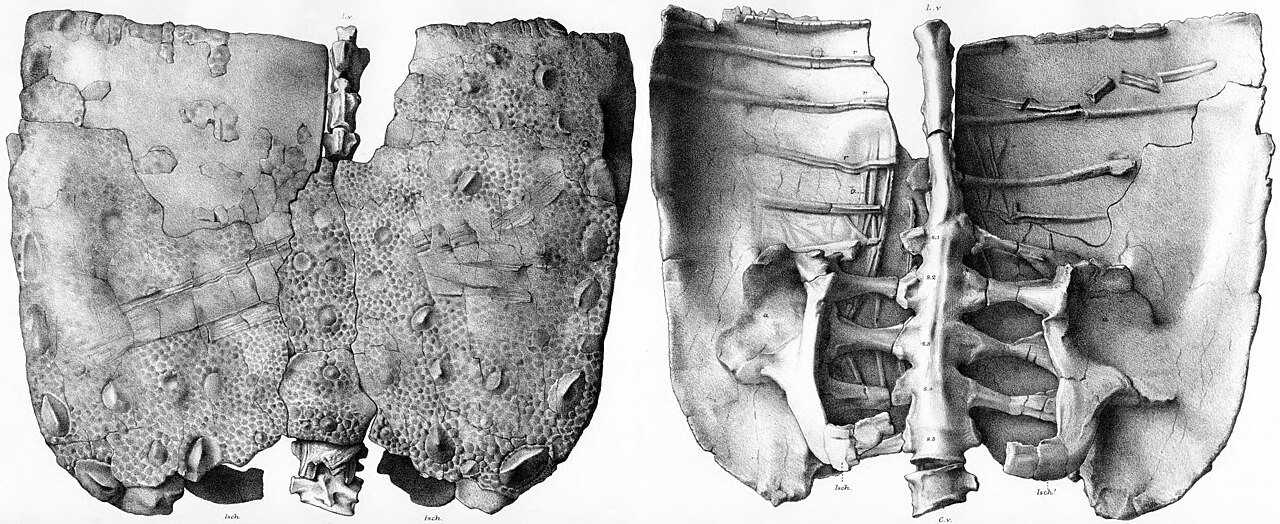
—observations
—countries
—peak records
ExtinctConservation statusIUCN Red List categoriesLCNTVUENCREWEXExtinctRed List categories, explained →
Diet & preyFern foliage, Cycad fronds, Equisetum shoots
Predators
- Neovenator salerii
- Baryonyx walkeri
- Eotyrannus lengi
ThreatsTheropod predation; habitat loss during Cretaceous marine transgressions
HabitatsEarly Cretaceous coastal floodplains and river valleys
Life spanEstimated 20–30 years
Classification
- FamilyNodosauridae
- SpeciesPolacanthus foxii
Range data is not available yet.
Interaction riskLow
- Low
- Moderate
- High
- Very high
- Why interaction risk is low
- Extinct prehistoric species known only from fossil remains.
Responsible observation
- Museum Study: Examine authentic fossil scutes and mounted skeletal casts at major natural history museums.
- Field Paleontology: If exploring exposed coastal strata such as the Isle of Wight, leave any discovered fossils in place and notify local authorities.
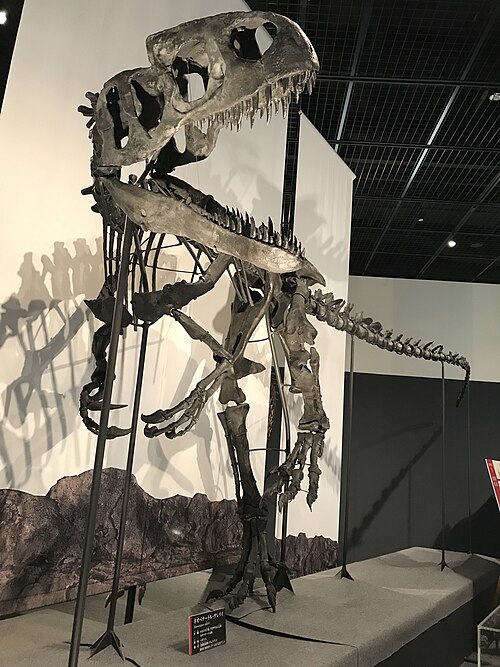
Predator ケラトプスユウタ / CC BY-SA 4.0 · cc-by-sa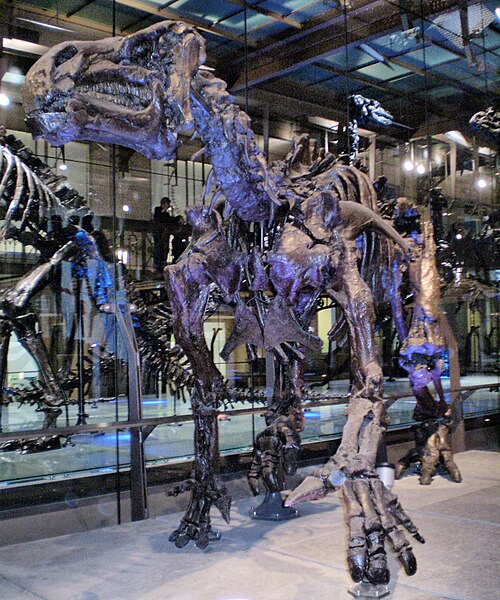
Neighbor Ben2 / CC BY-SA 3.0 · cc-by-sa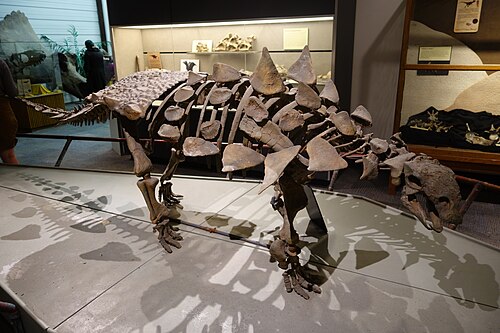
Close Relative Etemenanki3 / CC BY-SA 4.0 · cc-by-sa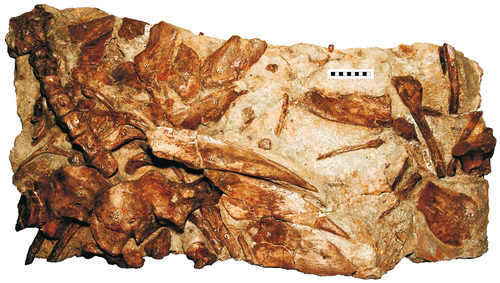
Same Family Sven Sachs, Jahn J. Hornung / CC BY 2.5 · cc-by
Help improve the field guideSomething wrong?
Checking your Fauna account…Report a name, category, or profile issue for review.