
Mammal
Broad-toed Feather-tailed Glider
Acrobates frontalisAlso known as Feathertail Glider, Pygmy Gliding Possum, Pygmy Glider, Flying Mouse
Broad-toed feather-tailed gliders are tiny, agile nocturnal marsupials celebrated for their remarkable fringe of stiff, feather-like hairs lining both sides of the tail. They steer gracefully between tree canopies using a narrow membrane called a patagium that extends between their elbows and knees, landing securely on tree trunks with serrated foot pads and specialized toe claws. When winter chill sets in or food supplies dwindle, these communal gliders huddle together in hollows or woven spherical nests and enter daily torpor to conserve precious metabolic energy.
NocturnalArborealGliding
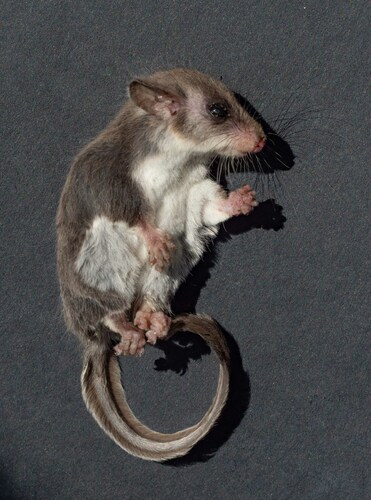
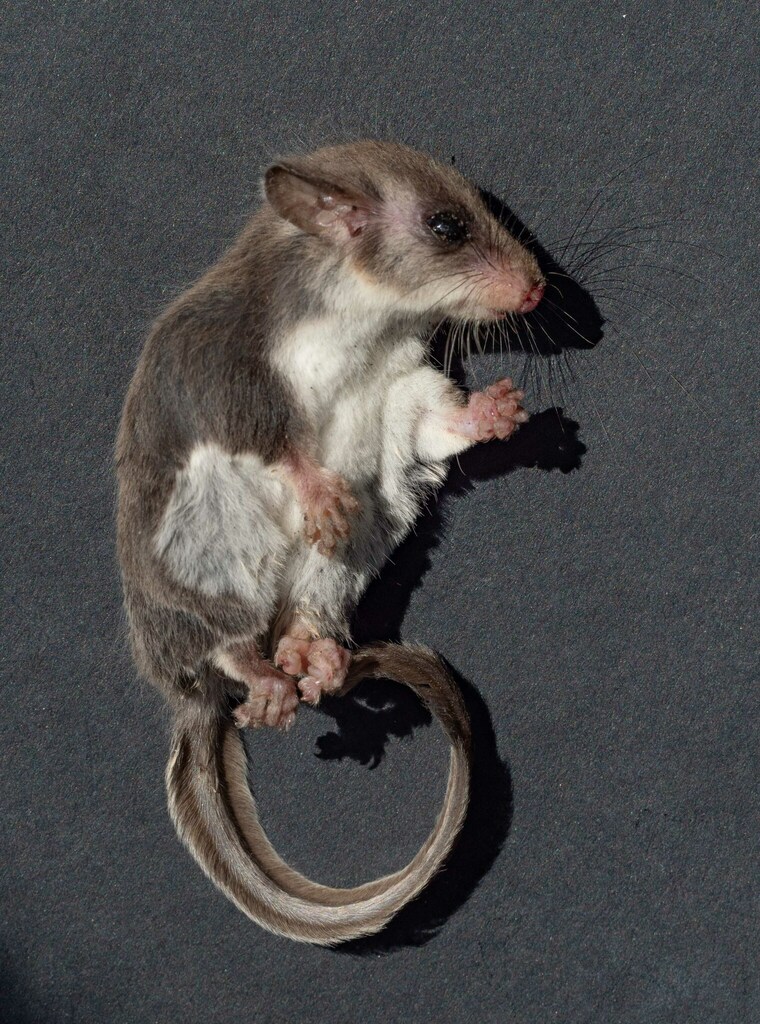
—observations
—countries
—peak records
Least ConcernConservation statusIUCN Red List categoriesLCNTVUENCREWEXLeast ConcernRed List categories, explained →
Diet & preyMoths, Beetles, Lerp Insects
Predators
- Barking Owl
- Feral Cat
- Lace Monitor
ThreatsHabitat loss, clearing of old hollow-bearing trees, and predation by feral cats
HabitatsTemperate and subtropical eucalypt forests and open woodlands
Life span3–5 years in the wild (up to 8 years in captivity)
Classification
- FamilyAcrobatidae
- SpeciesAcrobates frontalis
Range data is not available yet.
Interaction riskLow
- Low
- Moderate
- High
- Very high
- Why interaction risk is low
- Safe to observe at a normal distance.
Responsible observation
- Spotting technique: Use a red-filtered flashlight to scan flowering eucalypt crowns quietly at night without blinding them.
- Habitat preservation: Retain old-growth trees and dead hollow-bearing branches where social family groups build leafy communal nests.
- Cat control: Keep domestic cats indoors overnight to prevent devastating predation on these ground-level glides.
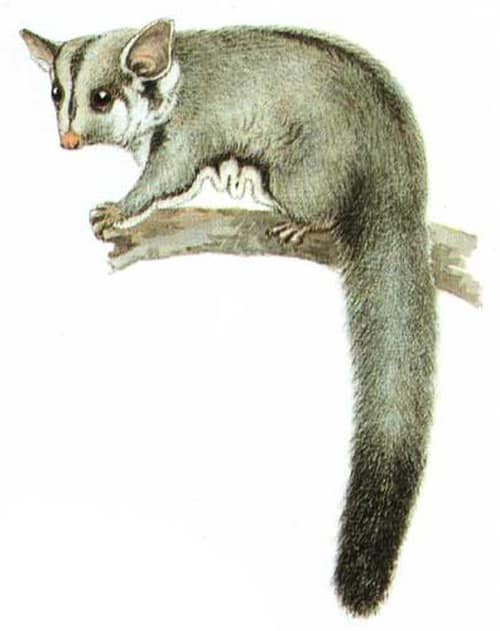
Competitor Wikimedia Commons / Public domain · cc0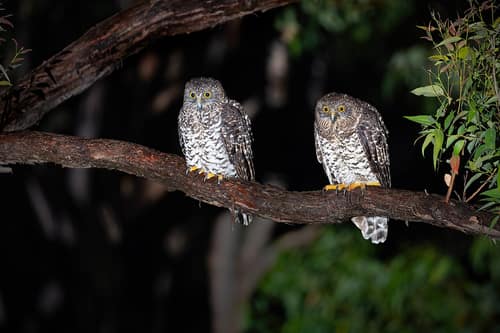
Predator JJ Harrison / CC BY-SA 4.0 · cc-by-sa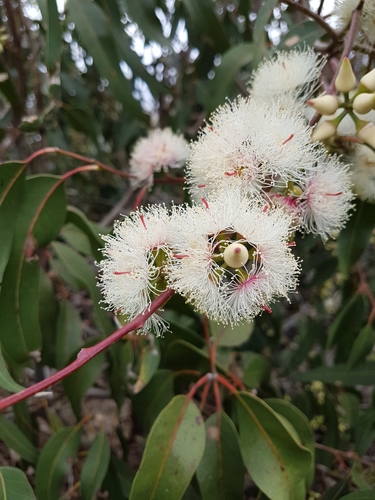
Host Plant no rights reserved, uploaded by Vale Jenny Conolly · cc0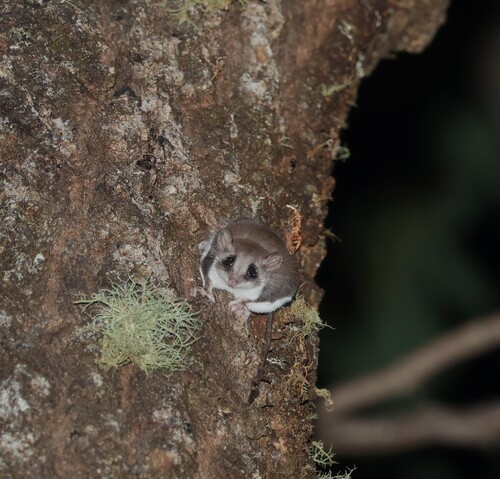
Close Relative (c) Greg Tasney, some rights reserved (CC BY-SA) · cc-by-sa
Help improve the field guideSomething wrong?
Checking your Fauna account…Report a name, category, or profile issue for review.