
Insect
Zabulon Skipper
Lon zabulonZabulon skippers exhibit striking sexual dimorphism: males display warm golden-orange wings with dark borders, while females are dark chocolate brown with frosty purplish margins and glassy white spots. Males perch aggressively on sunlit vegetation along woodland edges, darting out with rapid, erratic flight to intercept passing insects or court females. Caterpillars construct tubular shelters out of grass blades tied together with silk, venturing out at night to feed.
DimorphicWoodlandPollinator
—observations
—countries
—peak records
Least ConcernConservation statusIUCN Red List categoriesLCNTVUENCREWEXLeast ConcernRed List categories, explained →
Diet & preyFlower nectar, Purpletop grass, Lovegrass
Predators
- Songbirds
- Crab spiders
- Praying mantises
ThreatsHabitat fragmentation, widespread pesticide use, displacement of native grasses
HabitatsDeciduous forest edges, brushy meadows, stream corridors, suburban gardens
Life span1 year (2–4 weeks as adult)
Classification
- FamilyHesperiidae
- SpeciesLon zabulon
Range data is not available yet.
Interaction riskLow
- Low
- Moderate
- High
- Very high
- Why interaction risk is low
- Safe to observe at a normal distance.
Responsible observation
- Perch Patrol: Look for territorial males on low shrubs and tall grasses at forest edges during sunny afternoons.
- Look-alike Awareness: Remember that dark females closely resemble dark-form Hobomok skippers; check the two-toned pattern beneath the hindwing.
- Native Plantings: Cultivate native clump-forming grasses to support breeding colonies in suburban spaces.
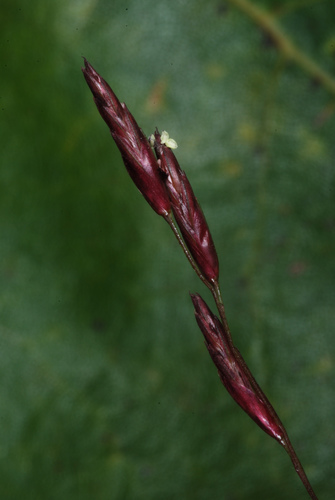
Host Plant (c) Douglas Goldman, some rights reserved (CC BY-SA), uploaded by Douglas Goldman · cc-by-sa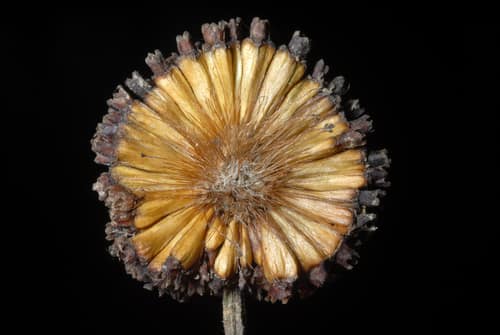
Nectar Plant (c) Douglas Goldman, some rights reserved (CC BY-SA), uploaded by Douglas Goldman · cc-by-sa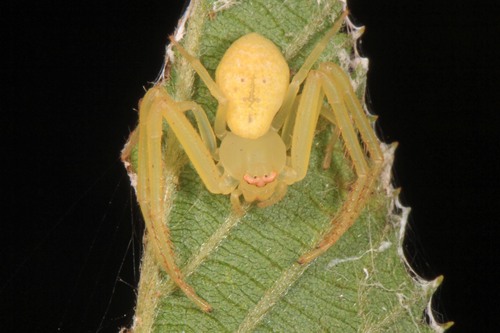
Predator (c) Judy Gallagher, some rights reserved (CC BY-SA), uploaded by Judy Gallagher · cc-by-sa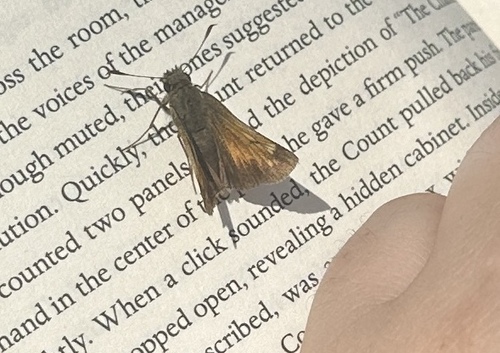
Close Relative no rights reserved · cc0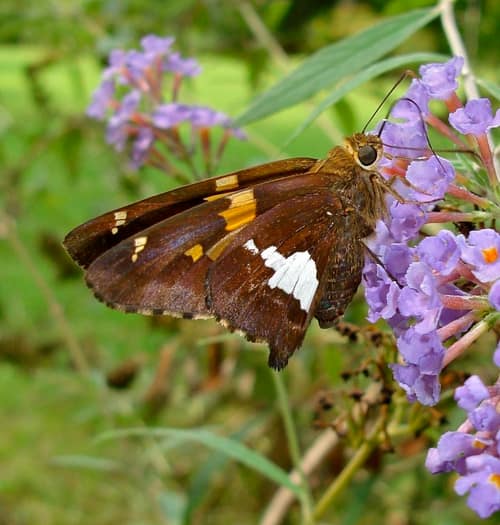
Same Family no rights reserved, uploaded by Elin Pierce · cc0
Help improve the field guideSomething wrong?
Checking your Fauna account…Report a name, category, or profile issue for review.