
Insect
Southern Pine Sawyer
Monochamus titillatorAlso known as Pine Sawyer, Pine Sawyer Beetle
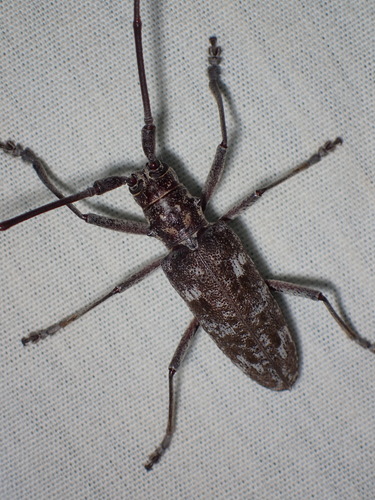
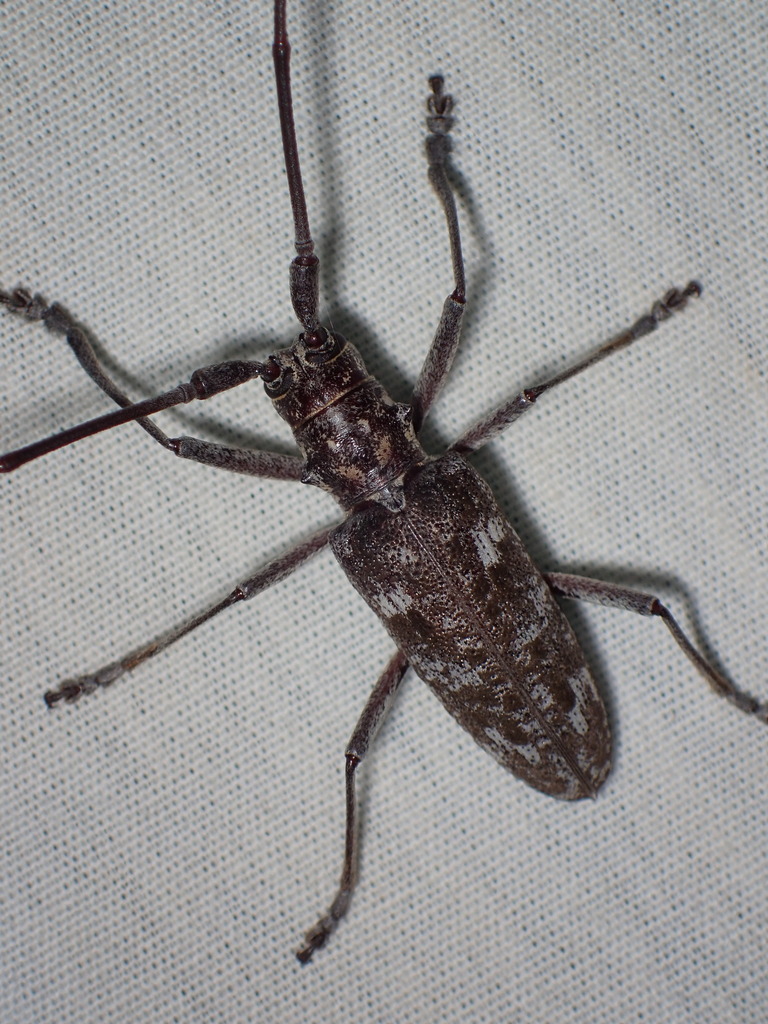
Southern pine sawyers are pine-boring longhorn beetles easily recognized by antennae that can reach up to three times their body length in males. Adults feed on tender pine bark and shoots, while larvae tunnel deep into stressed or dying pine trees, playing a key role in wood decomposition while acting as vectors for the pine wood nematode. When threatened, adults stridulate by rubbing their thorax against their wing covers, producing a distinct raspy squeak.
Longhorn BeetlePine ForestWood-Borer
—observations
—countries
—peak records
Not EvaluatedConservation statusIUCN Red List categoriesLCNTVUENCREWEXNot Evaluated — not placed on the risk ladderRed List categories, explained →
Diet & preyPine Wood, Pine Bark, Pine Needles
Predators
- Woodpeckers
- Clerid Beetles
- Parasitoid Wasps
ThreatsForest management practices and aerial pesticide application.
HabitatsPine forests, mixed pinelands, and timber yards.
Life span1–2 years
Classification
- OrderColeoptera
- FamilyCerambycidae
- GenusMonochamus
- SpeciesMonochamus titillator
Range data is not available yet.
Interaction riskLow
- Low
- Moderate
- High
- Very high
- Why interaction risk is low
- Possesses strong mandibles capable of giving a painful pinch if handled directly.
- Why it is dangerous
- Powerful wood-chewing mandibles can easily pinch through skin if the beetle is squeezed or roughly handled.
- How to recognize a risky encounter
- Mottled greyish-brown elongated body with threadlike antennae exceeding the length of the elytra.
- What to do
- Observe adults on bark or logs without picking them up; encourage them onto a stick if moving is necessary.
Responsible observation
- Listening for Stridulation: Gently observing a threatened adult may reward you with the raspy squeak produced by rubbing its thorax.
- Pine Stand Searches: Look on freshly cut pine logs or dying pine trunks during warm summer afternoons.
- Safe Handling: Avoid grabbing adults with bare fingers to prevent a sharp pinch from their powerful mandibles.
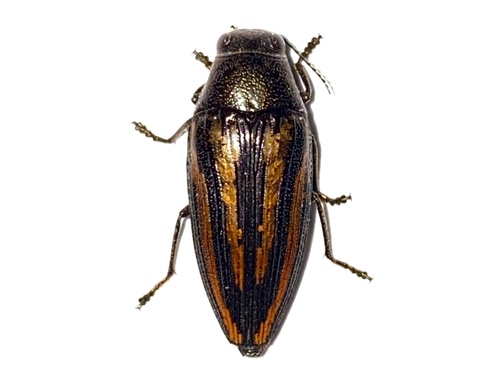
Competitor no rights reserved, uploaded by Samuel Paul Galick · cc0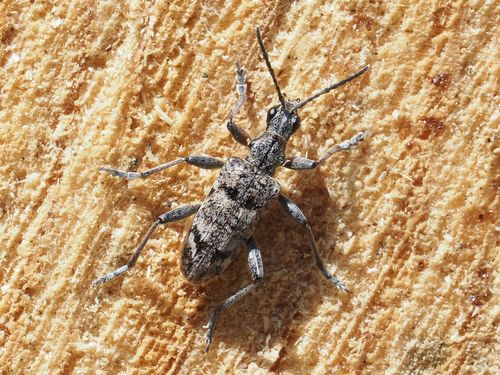
Co-inhabitant (c) Michael Knapp, some rights reserved (CC BY) · cc-by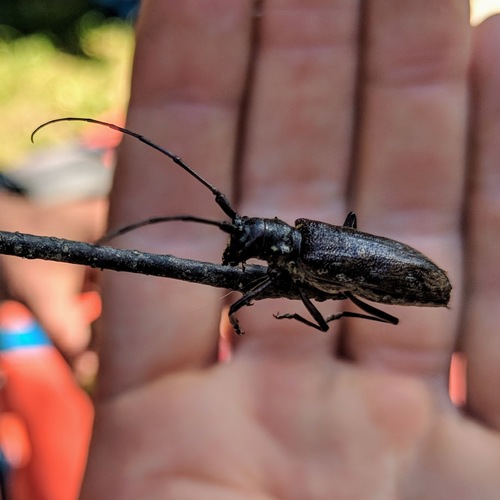
Close Relative no rights reserved, uploaded by Johannes · cc0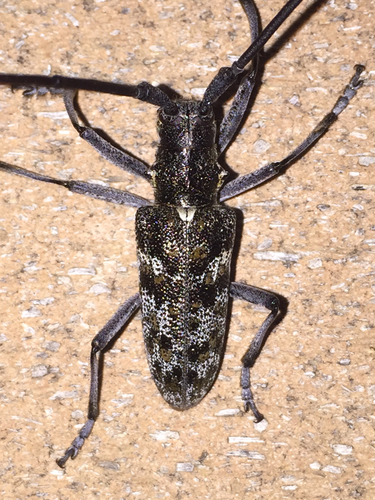
Close Relative no rights reserved, uploaded by Robbie Hannawacker · cc0
Help improve the field guideSomething wrong?
Checking your Fauna account…Report a name, category, or profile issue for review.