Also known as Curly Hair Tarantula, Curlyhair Tarantula, Woolly Tarantula
Curlyhair tarantulas are stout, docile terrestrial burrowers adorned with a dense coat of bristly, curved setae that lend them a distinctively woolly silhouette. Primarily active under cover of darkness, they wait at the mouths of silk-lined burrows or hollow logs to ambush passing invertebrates and small vertebrates detected through ground vibrations. While famous in aviculture for their exceptionally calm temperament, wild populations face growing pressure from deforestation and unsanctioned capture across Central American forests.
Not EvaluatedConservation statusIUCN Red List categoriesLCNTVUENCREWEXNot Evaluated — not placed on the risk ladderRed List categories, explained →
Key facts
Diet & prey
Crickets
Cockroaches
Small lizards
Predators
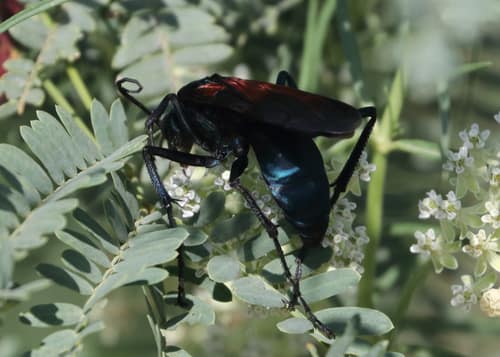
Tarantula hawk wasps
Coatis
Opossums
ThreatsHabitat destruction through land clearing and overcollection for the exotic pet trade
HabitatsTropical rainforest floor, moist secondary forests, and abandoned agricultural borders
Life spanMales live 4–10 years; females can reach 20–25 years
Classification
OrderAraneae
FamilyTheraphosidae
GenusTliltocatl
SpeciesTliltocatl albopilosus
Range & activity
Range data is not available yet.
Safe observation
Interaction riskVery high
Low
Moderate
High
Very high
Why interaction risk is very high
Kicks microscopic barbed hairs from its abdomen that severely irritate skin and eyes; observe without handling.
Why it is dangerous
When threatened, it rapidly rubs its hind legs against the abdomen to launch microscopic barbed urticating setae that embed in skin and mucous membranes, triggering intense rashes and ocular pain.
How to recognize a risky encounter
Look for a chunky, dark brown to black spider characterized by distinctly curly, golden-bronze hairs standing out across its legs and abdomen.
What to do
Maintain a viewing distance of at least two meters and never attempt to poke, corral, or pick up a wild specimen.
Responsible observation
Spotting burrows: Search around fallen logs and tree roots for silk-draped entrances at twilight.
Maintaining distance: Refrain from blowing on or prodding the spider, which triggers defensive urticating hair flicking.
Night observation: Use a red-filtered flashlight to watch nocturnal foraging behavior without startling them.

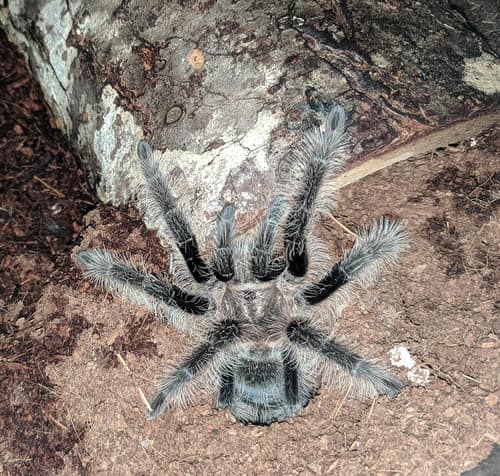
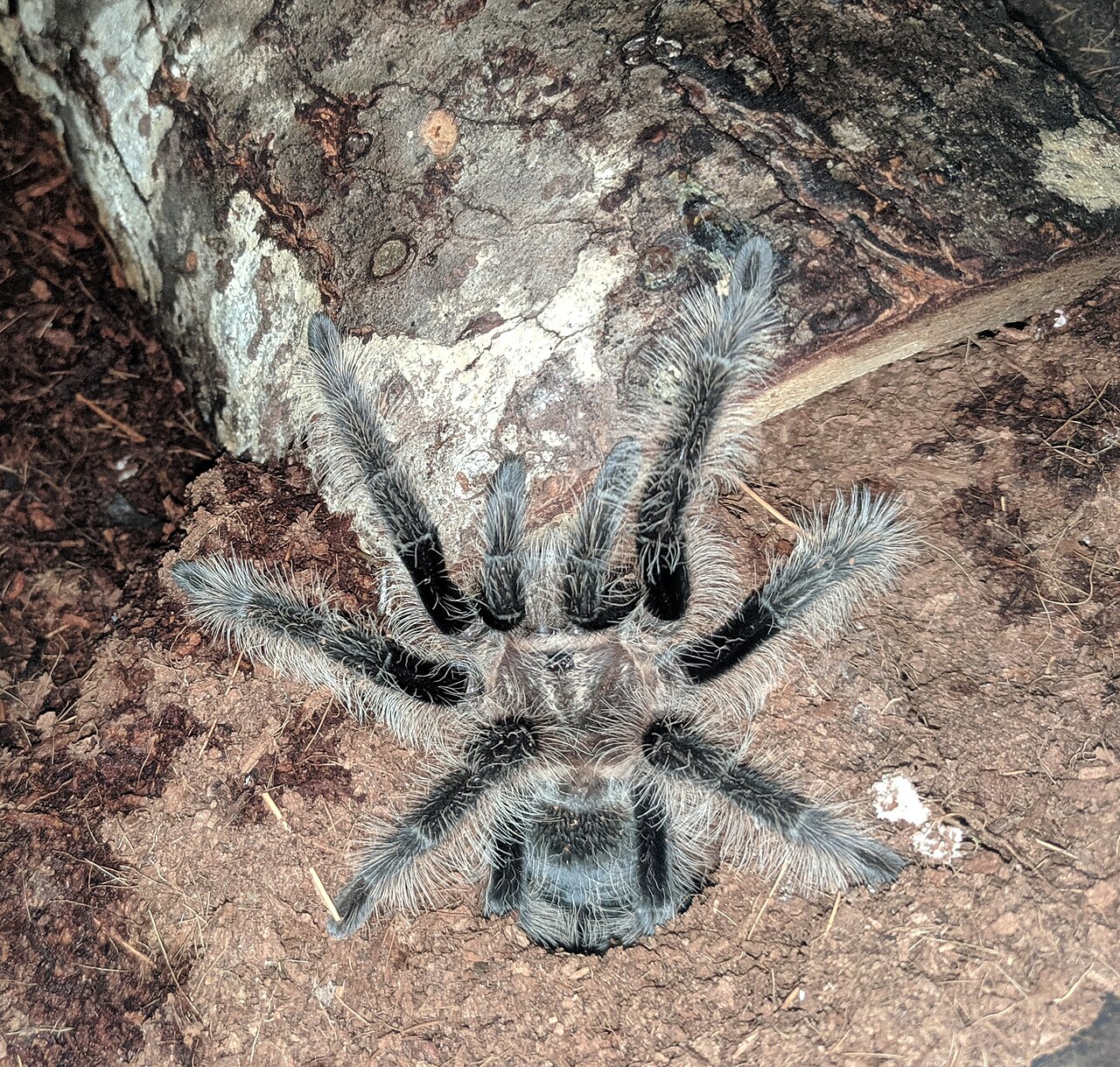
 Image unavailable