
Invertebrate · GBIF taxon 11430146
Balhuticaris voltae
Balhuticaris voltaeBalhuticaris voltae undulated through Cambrian seas over 500 million years ago, propelled by roughly 110 pairs of paddle-like limbs along its remarkably segmented trunk. A broad bivalved carapace shielded its head and anterior body, which bore prominent sensory organs adapted for navigating murky bottom waters. Reaching nearly a quarter of a meter in length, this giant hymenocarine demonstrated that complex gigantism emerged far earlier in arthropod evolutionary history than previously suspected.
PrehistoricFossil
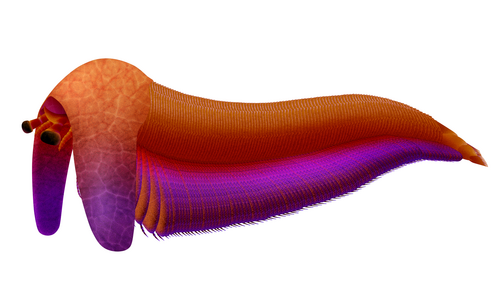
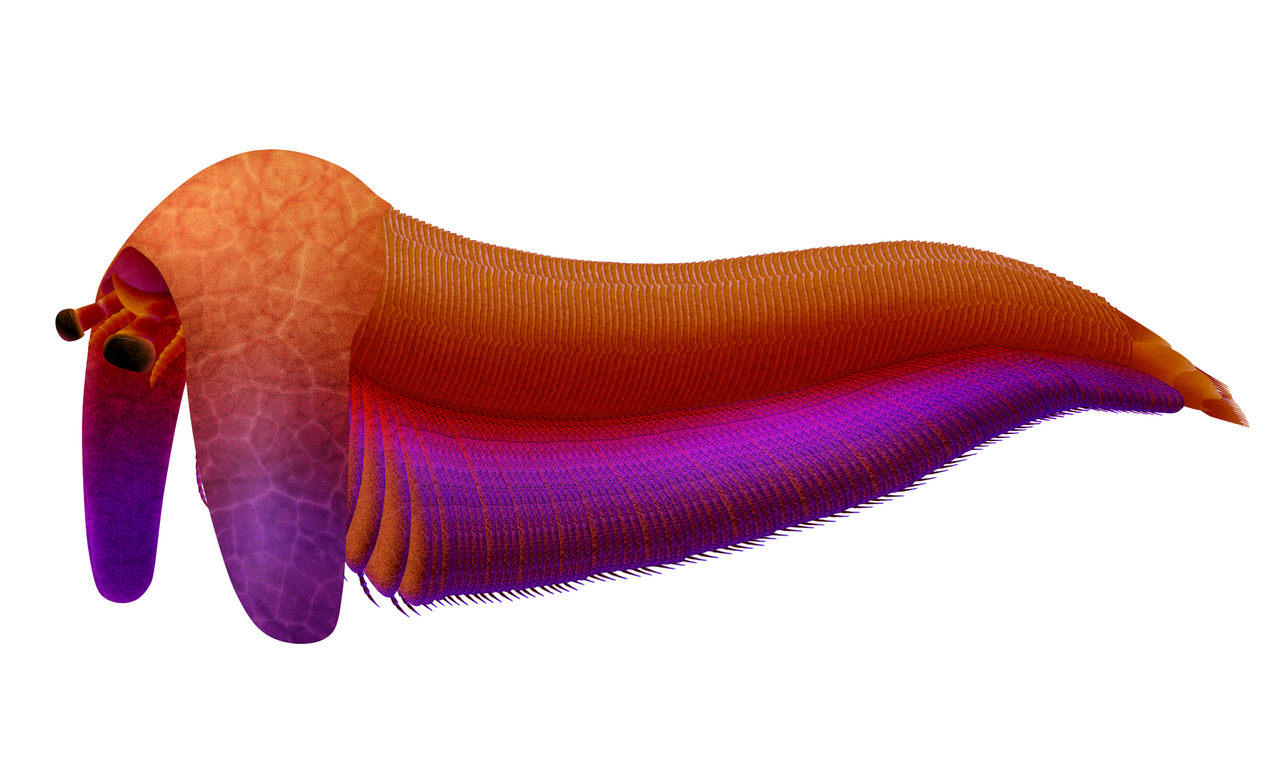
Licensed referenceQohelet12 / CC BY-SA 4.0 · cc-by-sa
—observations
—countries
—peak records
ExtinctConservation statusIUCN Red List categoriesLCNTVUENCREWEXExtinctRed List categories, explained →
Diet & prey
- Small benthic worms
- Tiny soft-bodied arthropods
- Organic seabed detritus
Predators
- Anomalocaris canadensis
- Titanokorys gainesi
ThreatsPaleozoic environmental shifts and ecological turnover
HabitatsDeep open marine waters and muddy seafloor shelves
Life spanUnknown
Size / weightNot available
Classification
- FamilyBalhuticarididae
- GenusBalhuticaris
- SpeciesBalhuticaris voltae
Range data is not available yet.
Interaction riskLow
- Low
- Moderate
- High
- Very high
- Why interaction risk is low
- Extinct prehistoric organism known exclusively from the fossil record.
Responsible observation
- Museum Study: View preserved Burgess Shale fossils at institutions such as the Royal Ontario Museum.
- Legal Protection: Collecting original fossils within Canadian national parks is strictly illegal.
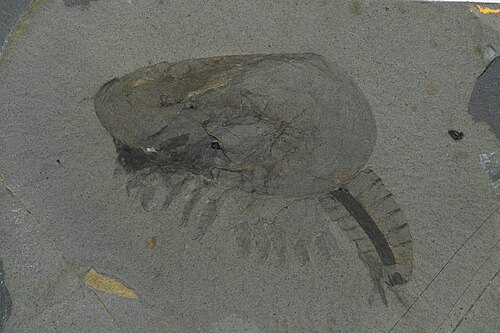
Ecological Neighbor Jean-Bernard Caron / CC0 · cc0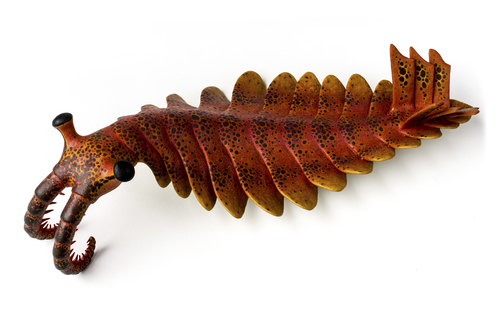
Predator (c) anonymous, some rights reserved (CC BY-SA) · cc-by-sa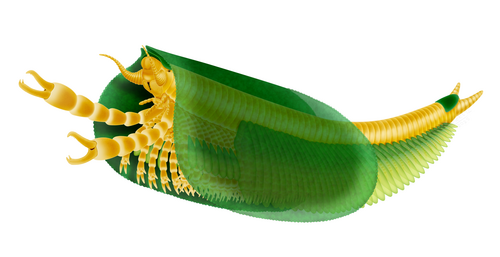
Close Relative Qohelet12 / CC BY-SA 4.0 · cc-by-sa
Help improve the field guideSomething wrong?
Checking your Fauna account…Report a name, category, or profile issue for review.