
Arachnid
Australian Garden Orb Weaver
Hortophora transmarinaAlso known as Garden Orb-weaving Spider, Sydney Garden Orb Weaver
Australian garden orb weavers engineer large, vertical orb webs at dusk to intercept night-flying moths and beetles, often bridging gaps of several meters between backyard trees and roof eaves. By dawn, females consume their silk to recycle proteins and retreat to nearby bark or foliage, adopting cryptic postures that mirror their surroundings. Their remarkable color variability, shifting from mottled creams to deep charcoal with successive molts, provides tailored camouflage against their chosen daytime roosts.
NocturnalWeb BuilderCamouflaged
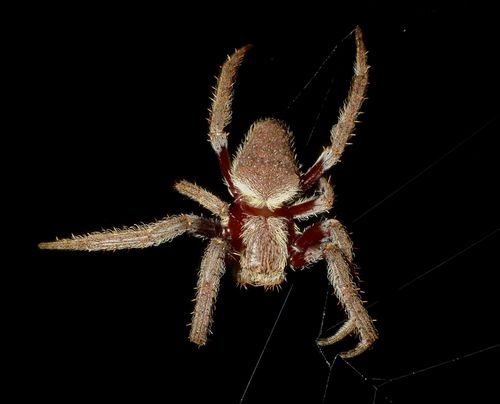
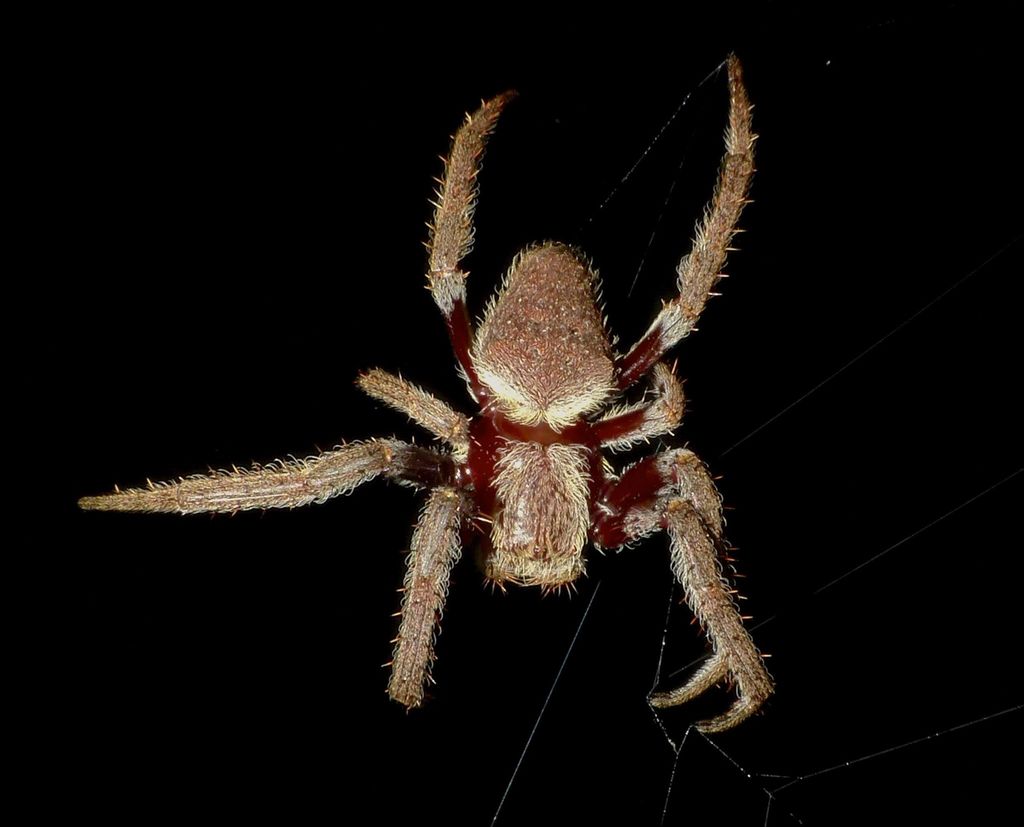
—observations
—countries
—peak records
Not EvaluatedConservation statusIUCN Red List categoriesLCNTVUENCREWEXNot Evaluated — not placed on the risk ladderRed List categories, explained →
Diet & preyMoths, Beetles, Flies
Predators
- Spider hunting wasps
- Birds
- Possums
ThreatsBroad-spectrum pesticide use, habitat clearing, and nest predation by wasps
HabitatsSuburban gardens, open woodlands, coastal scrub, and forest margins
Life span12–18 months
Classification
- OrderAraneae
- FamilyAraneidae
- GenusHortophora
- SpeciesHortophora transmarina
Range data is not available yet.
Interaction riskVery high
- Low
- Moderate
- High
- Very high
- Why interaction risk is very high
- Bites are rare and trivial; safe to observe at a normal distance.
Responsible observation
- Dusk Spotting: Search between shrubs or verandah posts at twilight to watch spiders actively construct fresh webs.
- Daytime Detection: Follow silk support lines into foliage to find spiders curled tightly under curled leaves.
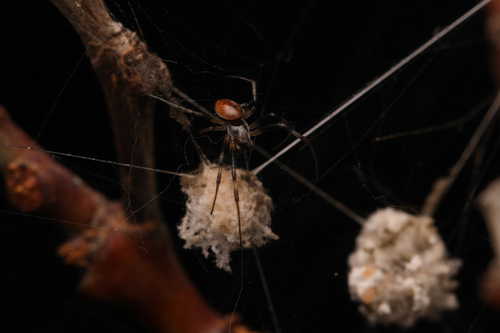
Ecological Neighbor no rights reserved · cc0 Image unavailable
Predator 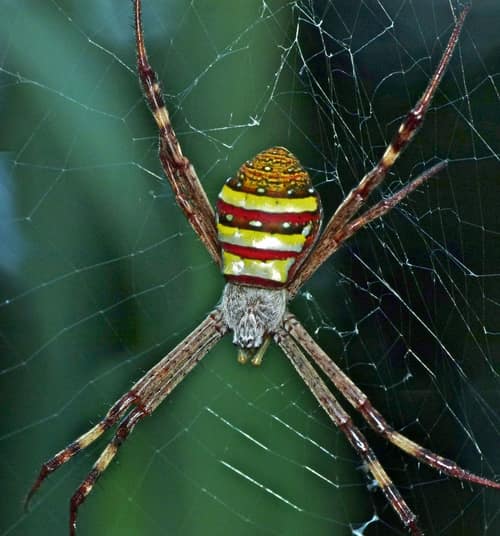
Same Family (c) Steve Kerr, some rights reserved (CC BY), uploaded by Steve Kerr · cc-by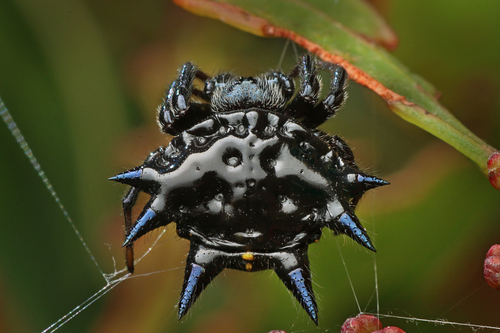
Same Family (c) Connor Margetts, some rights reserved (CC BY), uploaded by Connor Margetts · cc-by
Help improve the field guideSomething wrong?
Checking your Fauna account…Report a name, category, or profile issue for review.