
Fish
Otodus sokolovi
Otodus sokoloviOtodus sokolovi roamed prehistoric coastal and pelagic waters during the late Eocene and early Oligocene, ruling ancient oceans as a formidable apex predator. Representing an evolutionary link between Otodus auriculatus and Otodus angustidens, this colossal shark developed broad, triangular teeth equipped with fine serrations and recurved lateral cusplets for shearing through dense marine prey. Fossilized teeth uncovered in North Africa and beyond demonstrate an animal that reached lengths well over six meters.
PrehistoricApex PredatorMarine
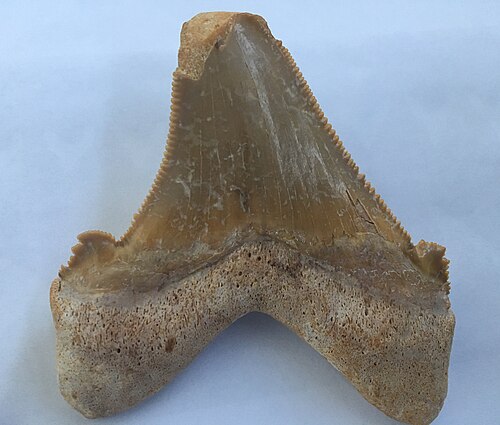
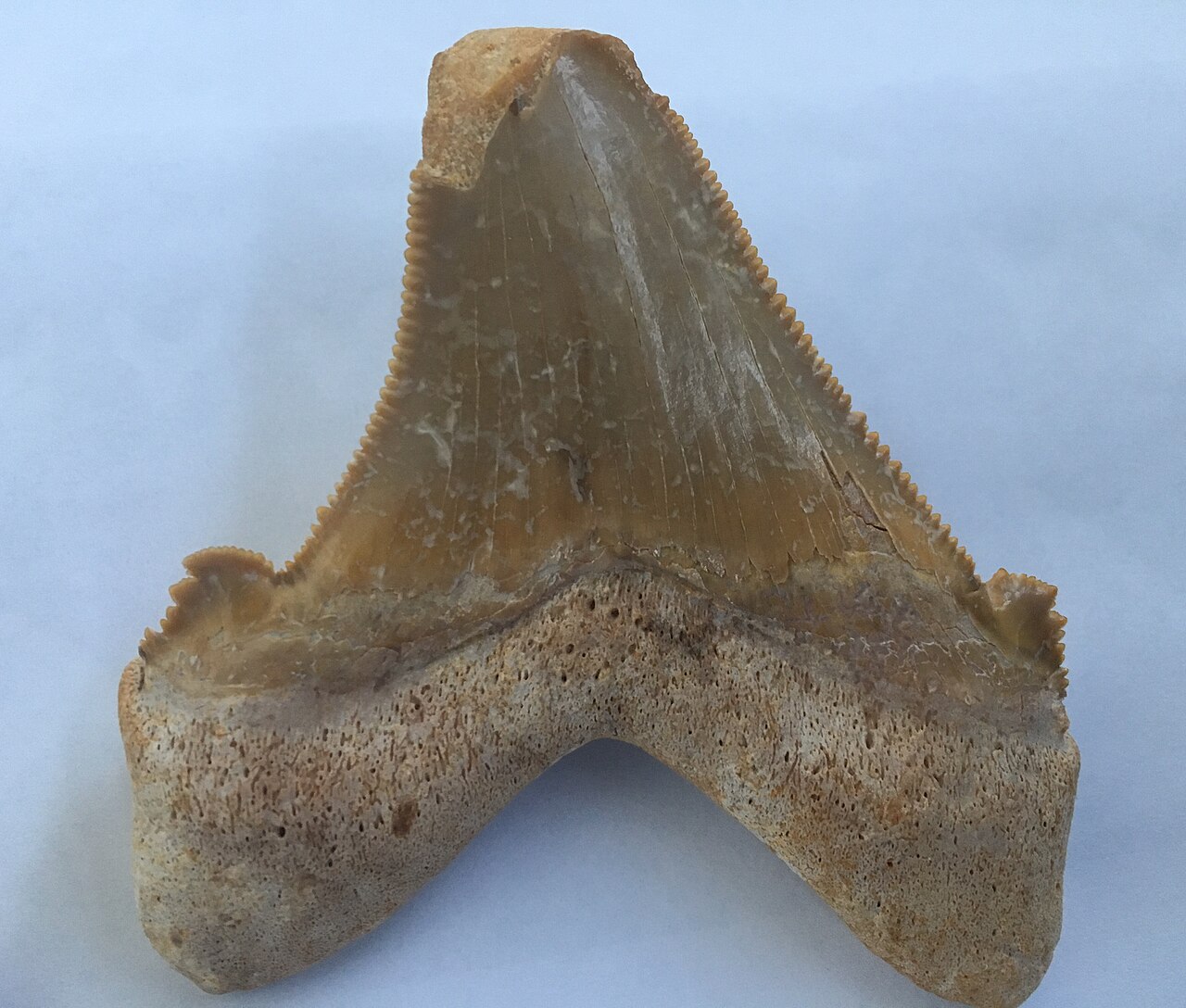
—observations
—countries
—peak records
ExtinctConservation statusIUCN Red List categoriesLCNTVUENCREWEXExtinctRed List categories, explained →
Diet & preyArchaeocete whales, Sirenians, Large pelagic fish
ThreatsOceanic cooling and shifting marine ecosystems across the Eocene-Oligocene boundary
HabitatsWarm temperate to tropical shallow seas and pelagic waters
Life spanEstimated 20–40 years
Classification
- FamilyLamnidae
- SpeciesOtodus sokolovi
Range data is not available yet.
Interaction riskLow
- Low
- Moderate
- High
- Very high
- Why interaction risk is low
- Extinct prehistoric shark known only from fossils; completely safe to study.
Responsible observation
- Fossil Identification: Inspect the crown for fine serrations bordered by prominent, recurved lateral cusplets.
- Museum Collections: Observe prepared dentition sets in natural history museums to examine megatooth evolutionary transitions.
 Image unavailable
Descendant Chronospecies Ancestral Chronospecies 
Prey Tim from Washington, D.C., United States of America / CC BY-SA 2.0 · cc-by-sa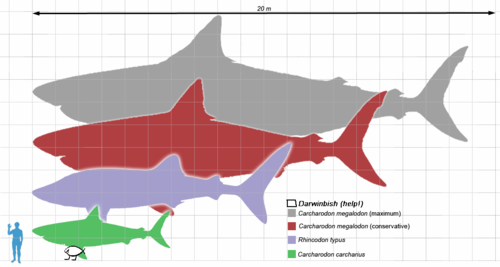
Close Relative (c) Megalodon_scale1.png, some rights reserved (CC BY-SA) · cc-by-sa
Help improve the field guideSomething wrong?
Checking your Fauna account…Report a name, category, or profile issue for review.