
Mammal
Paraceratherium linxiaense
Paraceratherium linxiaenseAlso known as Linxia Giant Rhino
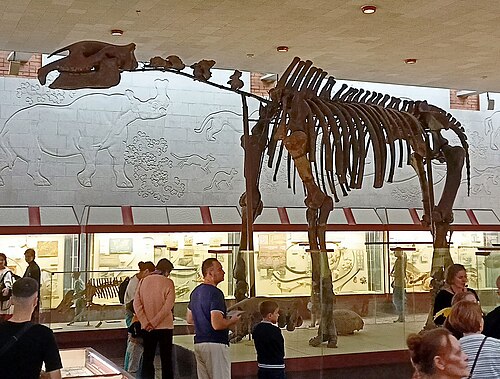
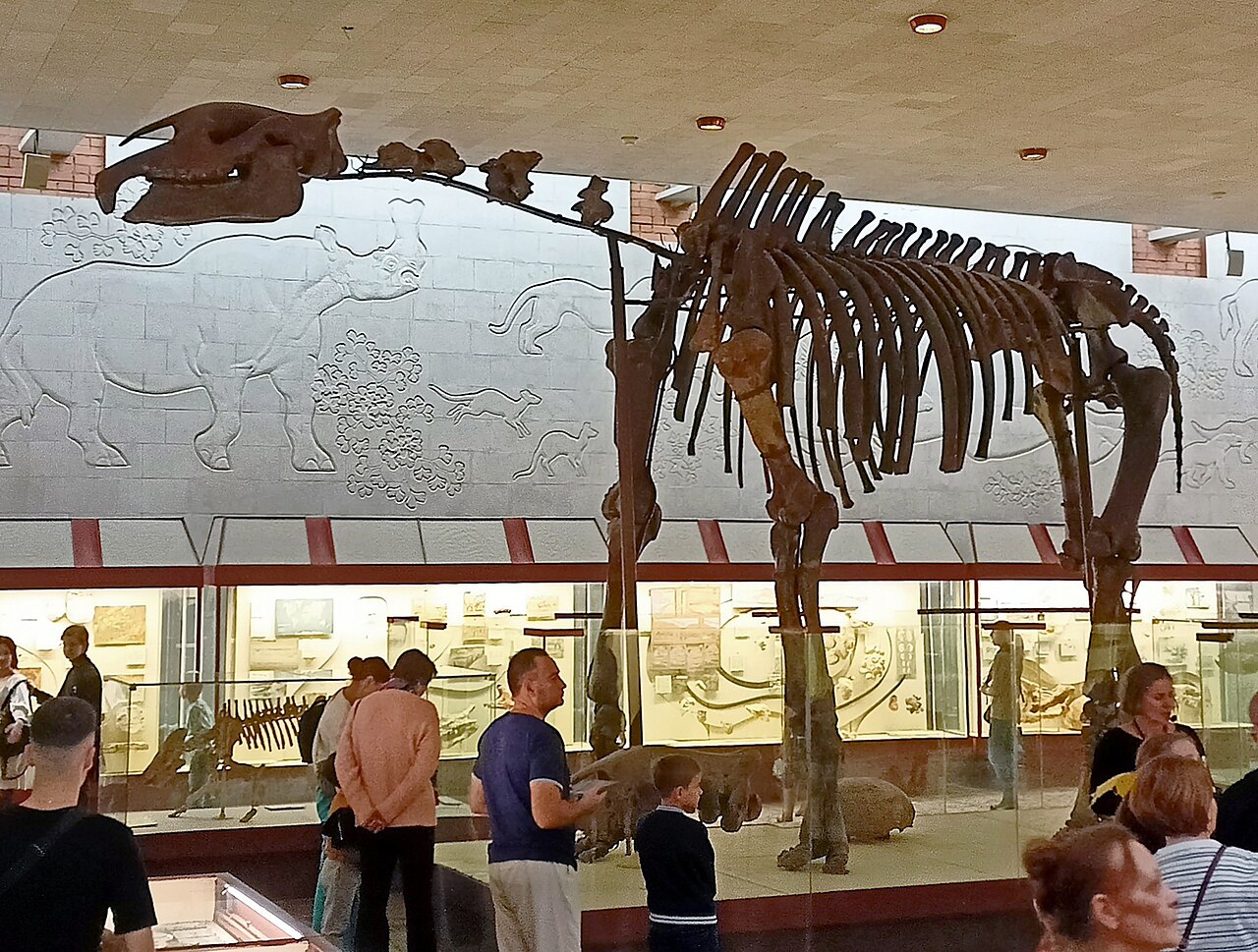
Towering above the Oligocene landscape, this colossal hornless rhinocerotoid was among the largest terrestrial mammals ever to walk the Earth. Its elongated neck and pillar-like limbs allowed it to browse high in tree canopies inaccessible to other contemporary herbivores. Fossil discoveries in northwestern China reveal that these massive browsers migrated across open woodlands and gallery forests throughout central Eurasia before shifting climates and aridification ended their lineage.
GiantHerbivore
—observations
—countries
—peak records
ExtinctConservation statusIUCN Red List categoriesLCNTVUENCREWEXExtinctRed List categories, explained →
Diet & preyDeciduous canopy leaves, Tree twigs, Woody browse
Predators
- Hyaenodon (juveniles only)
ThreatsLate Oligocene aridification, habitat loss, and global climate cooling
HabitatsWarm temperate to subtropical open woodlands and scrub forests
Life span60–80 years (estimated)
Classification
- FamilyHyracodontidae
- SpeciesParaceratherium linxiaense
Range data is not available yet.
Interaction riskLow
- Low
- Moderate
- High
- Very high
- Why interaction risk is low
- Extinct prehistoric species; known only from fossilized skeletal remains.
Responsible observation
- Museum Viewing: Examine complete fossil casts in natural history museums to appreciate true scale.
- Fossil Protection: Leave exposed fossil material undisturbed in the field and alert local paleontologists.
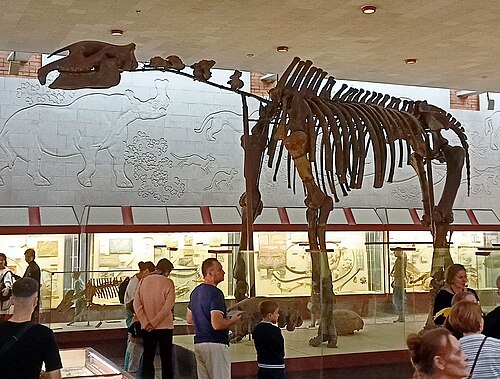
Close Relative MikSed / CC BY-SA 4.0 · cc-by-sa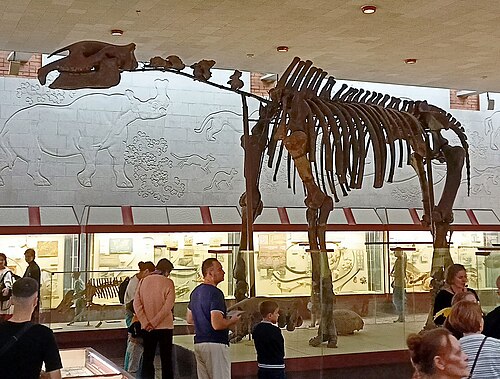
Close Relative MikSed / CC BY-SA 4.0 · cc-by-sa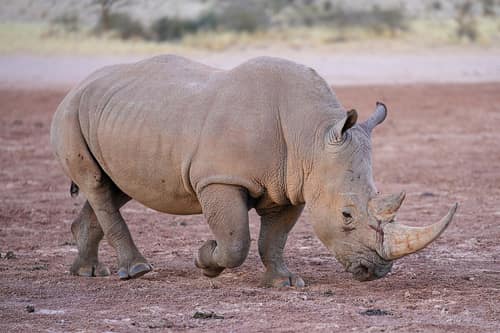
Living Relative Giles Laurent / CC BY-SA 4.0 · cc-by-sa
Help improve the field guideSomething wrong?
Checking your Fauna account…Report a name, category, or profile issue for review.