
Reptile
Kuhl's Flying Gecko
Gekko kuhliAlso known as Kuhl's Parachute Gecko, Gliding Gecko, Common Flying Gecko
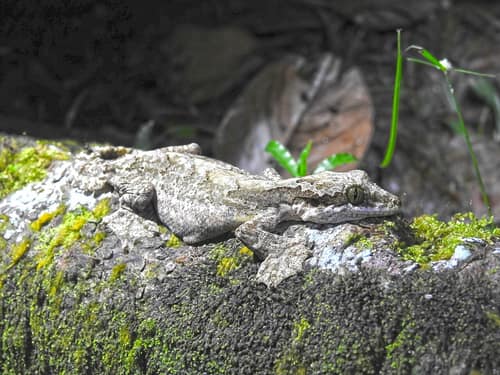
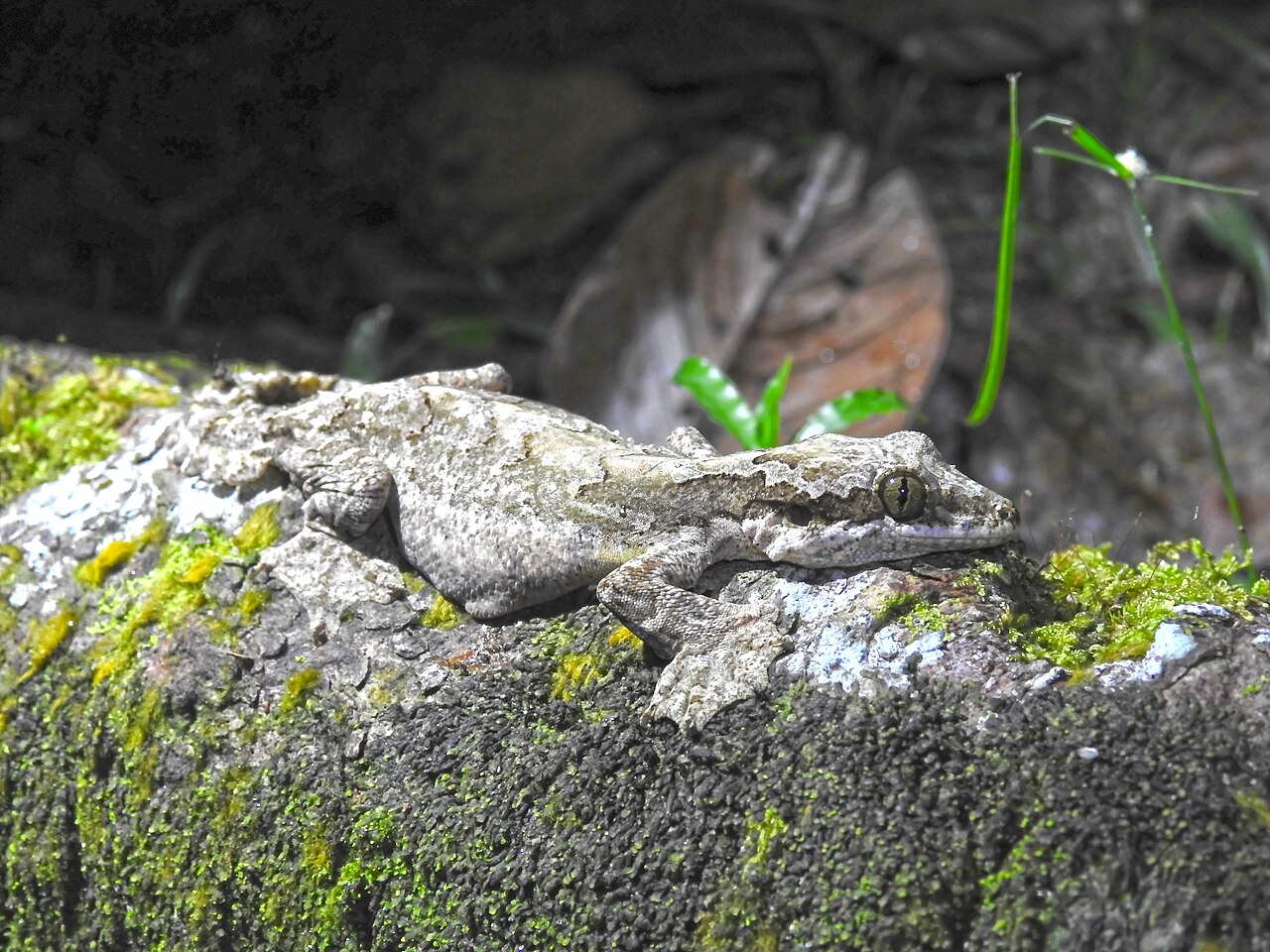
Kuhl's flying geckos glide between high canopy perches using extensively webbed toes, flattened tails, and broad flaps of skin along their flanks that function like miniature parachutes. When resting motionless against tree trunks by day, their scalloped margins break up body outlines, rendering them virtually invisible against lichen-encrusted bark. Active after twilight, these agile nocturnal climbers hunt insects on vertical trunks and readily leap into open air to evade predators or cross gaps in the canopy.
ArborealNocturnalGlider
—observations
—countries
—peak records
Least ConcernConservation statusIUCN Red List categoriesLCNTVUENCREWEXLeast ConcernRed List categories, explained →
Diet & preyCrickets, Moths, Spiders
Predators
- Asian Vine Snake
- Buffy Fish Owl
- Common Palm Civet
ThreatsHabitat loss from logging and palm oil conversion, along with collection for the pet trade
HabitatsLowland rainforests, peat swamps, and rural secondary growth
Life span5–8 years
Classification
- FamilyGekkonidae
- SpeciesGekko kuhli
Range data is not available yet.
Interaction riskLow
- Low
- Moderate
- High
- Very high
- Why interaction risk is low
- Safe to observe at a normal distance.
Responsible observation
- Spotting: Scan vertical trunks and large branches with a low-intensity headlamp along forest edges after dark.
- Handling: Avoid attempting to hold wild individuals, as their fragile skin tears easily under friction.
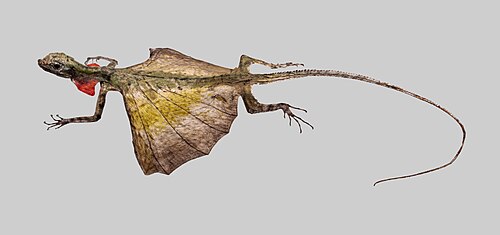
Ecological Counterpart H. Zell / CC BY-SA 3.0 · cc-by-sa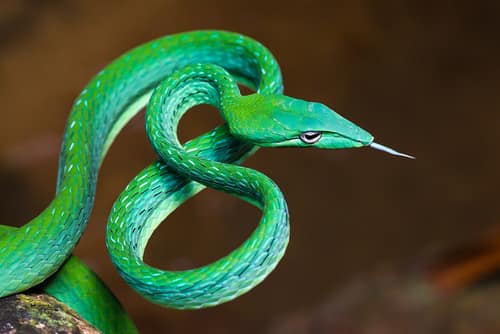
Predator Rushenb / CC BY-SA 4.0 · cc-by-sa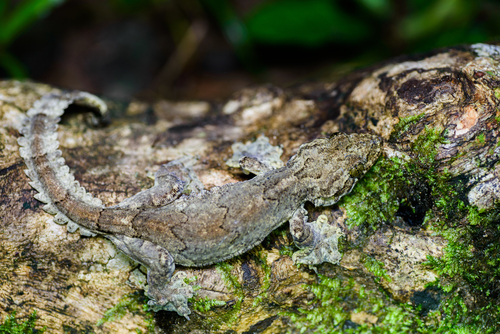
Close Relative (c) Rushenb,保留部分权利(CC BY-SA) · cc-by-sa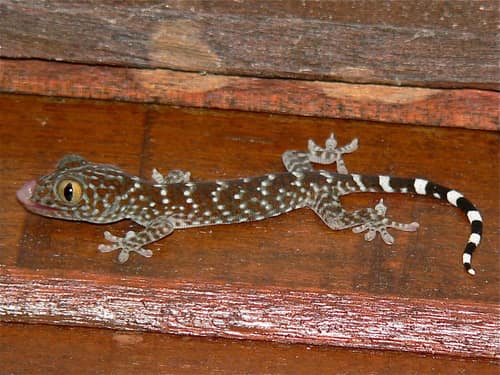
Close Relative (c) Bernard DUPONT, some rights reserved (CC BY-SA) · cc-by-sa
Help improve the field guideSomething wrong?
Checking your Fauna account…Report a name, category, or profile issue for review.