
Mammal
Chalicotherium goldfussi
Chalicotherium goldfussiAlso known as Goldfuss's Chalicothere
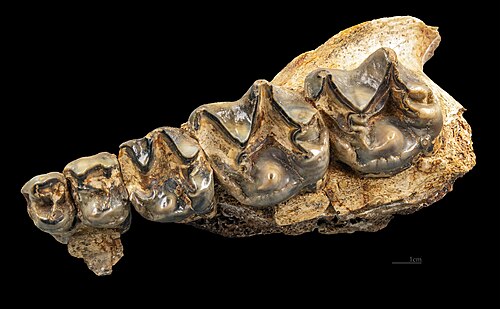
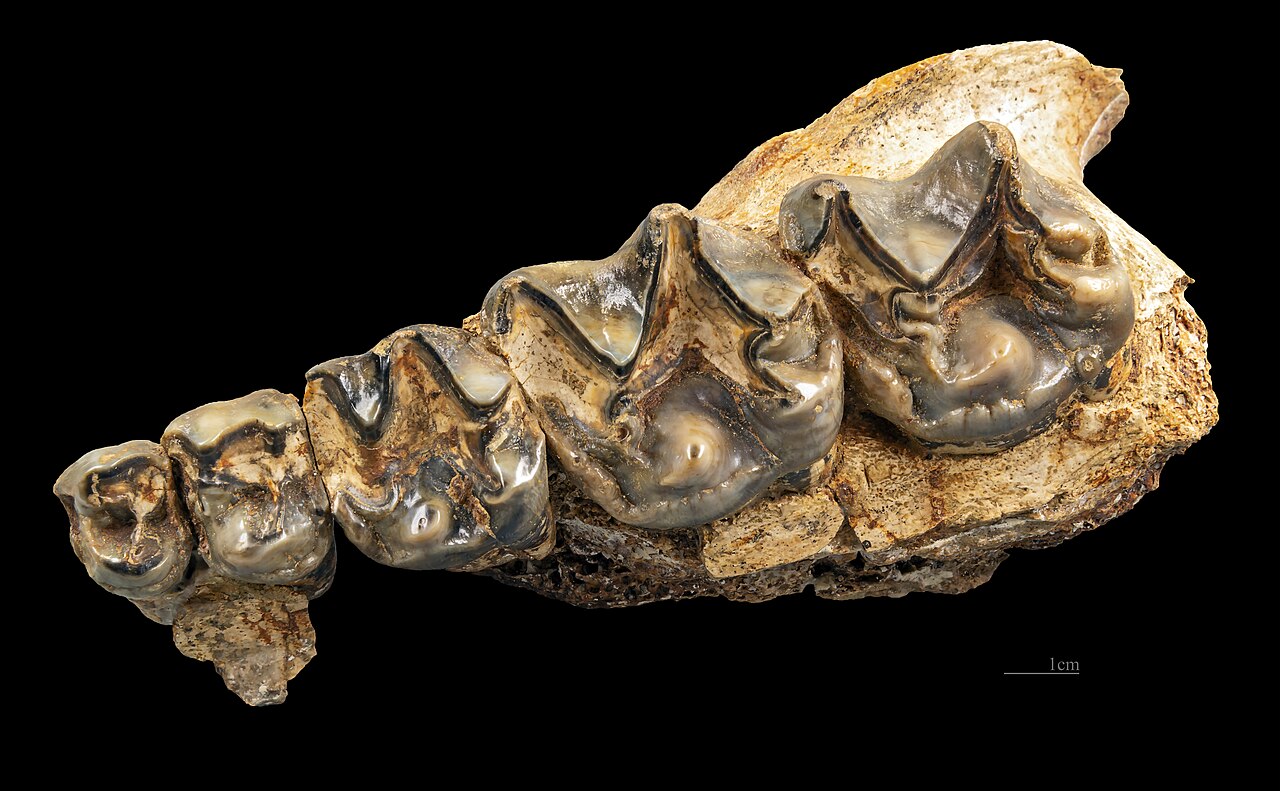
Chalicotherium goldfussi was an extraordinary Miocene ungulate that combined horse-like cranial features with massive, clawed forelimbs and a sloping, gorilla-like posture. It walked on the knuckles of its front feet to protect its enormous curved ungual phalanges, using them primarily to hook down high branches in dense woodlands. Dental wear patterns reveal a browsing lifestyle centered on soft vegetation, tender shoots, and seasonal fruits in warm European paleoenvironments.
PrehistoricHerbivore
—observations
—countries
—peak records
ExtinctConservation statusIUCN Red List categoriesLCNTVUENCREWEXExtinctRed List categories, explained →
Diet & preyDeciduous leaves, Fleshy fruits, Soft bark and twigs
Predators
- Amphicyon giganteus
- Machairodus aphanistus
ThreatsLate Miocene cooling and expansion of open grasslands
HabitatsDense subtropical woodlands and riparian forests
Life span20–30 years (estimated)
Classification
- OrderPerissodactyla
- FamilyChalicotheriidae
- GenusChalicotherium
- SpeciesChalicotherium goldfussi
Range data is not available yet.
Interaction riskHigh
- Low
- Moderate
- High
- Very high
- Why interaction risk is high
- Extinct prehistoric species known only from fossil remains.
Responsible observation
- Museum Viewing: Examine articulated fossil skeletons in European natural history museums to study the unusual clawed manual digits.
- Paleoart Context: Note the sloping back and shortened hindquarters, which indicate a semi-bipedal rearing capability while feeding.
 Image unavailable
Predator Competitor Close Relative Same Family
Help improve the field guideSomething wrong?
Checking your Fauna account…Report a name, category, or profile issue for review.