
Reptile · GBIF taxon 11184826
Caucasian Pitviper
Gloydius caucasicusAlso known as Caucasian Pit Viper, Caucasian Viper, Kopet Dag Pit Viper
Caucasian pitvipers inhabit rocky mountain slopes, dry scrublands, and semi-arid valleys surrounding the Caspian Basin and Alborz range. These ambush predators rely on heat-sensing facial pits located between their eyes and nostrils to track warm-blooded prey in complete darkness. During the extreme heat of summer, they remain hidden in deep rock crevices or subterranean rodent burrows, emerging at dusk to forage along dry creek beds.
VenomousNocturnalReptile
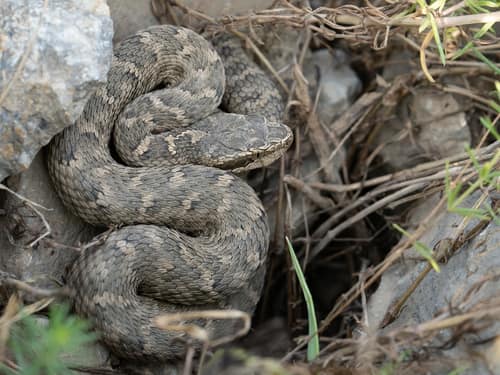
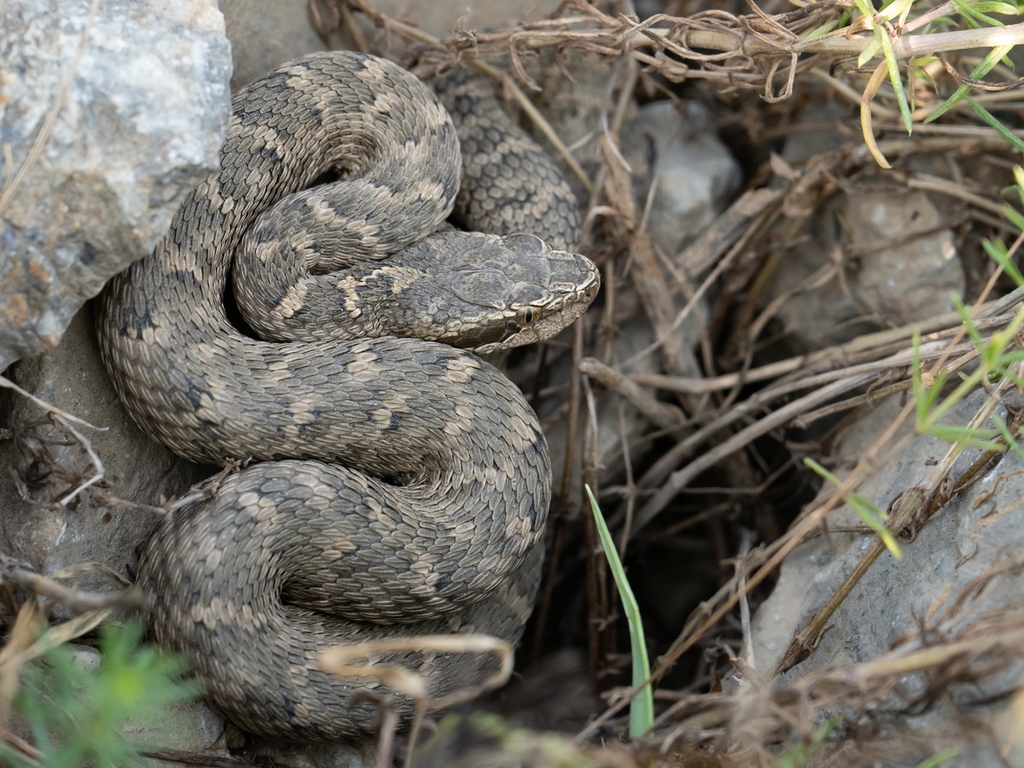
—observations
—countries
—peak records
Least ConcernConservation statusIUCN Red List categoriesLCNTVUENCREWEXLeast ConcernRed List categories, explained →
Diet & prey
- Voles
- Mice
- Lizards
Predators
- Eagles
- Eurasian badgers
- Monitor lizards
ThreatsHabitat destruction from agriculture and human persecution
HabitatsRocky mountain slopes, dry scrub, steppes, and semi-deserts
Life span10–15 years in the wild
Size / weightNot available
Classification
- FamilyViperidae
- SpeciesGloydius caucasicus
Range data is not available yet.
Interaction riskVery high
- Low
- Moderate
- High
- Very high
- Why interaction risk is very high
- Possesses hazardous hemotoxic and cytotoxic venom; keep a safe distance and never attempt to handle.
- Why it is dangerous
- Delivers cytotoxic and hemotoxic venom that causes severe pain, swelling, tissue damage, and potential systemic complications.
- How to recognize a risky encounter
- Look for a distinctly triangular head, heat-sensing pits near the nostrils, and a greyish-brown body with darker crossbands.
- What to do
- Freeze immediately upon sighting, back away slowly, and give the snake plenty of room to retreat.
Responsible observation
- Trail Caution: Watch your step carefully around rocky outcrops and stone walls where they rest.
- Safe Distance: Maintain at least two meters distance and do not corner or provoke the snake.
- Night Visibility: Carry a bright flashlight when walking through dry foothill trails after sunset.
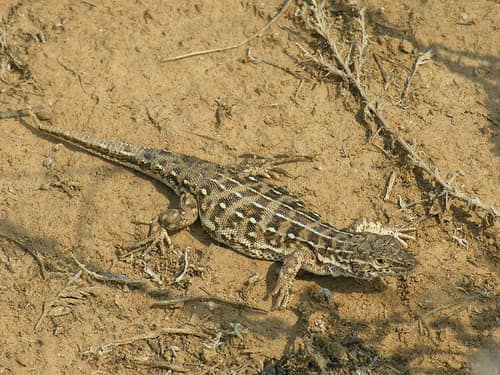
Prey (c) Eugene Popov, some rights reserved (CC BY), uploaded by Eugene Popov · cc-by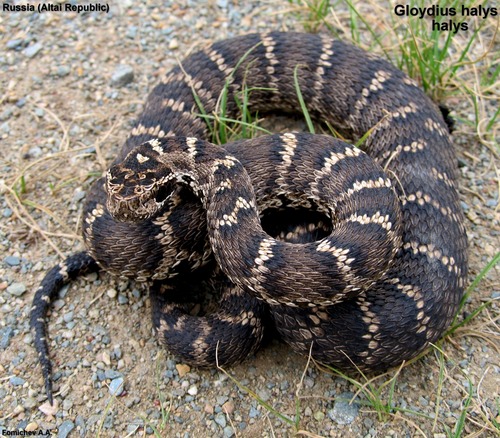
Close Relative (c) Alexander A. Fomichev, some rights reserved (CC BY), uploaded by Alexander A. Fomichev · cc-by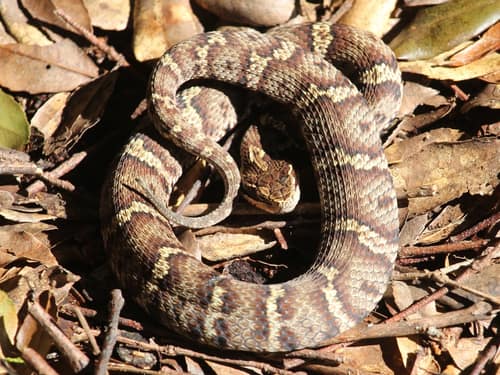
Close Relative (c) Alpsdake, some rights reserved (CC BY-SA) · cc-by-sa
Help improve the field guideSomething wrong?
Checking your Fauna account…Report a name, category, or profile issue for review.