
Arachnid
Heterometrus silenus
Heterometrus silenusAlso known as Asian Forest Scorpion
Asian forest scorpions spend daylight hours hidden deep within humid subterranean burrows or under fallen rotting logs, emerging after dusk to ambush passing invertebrates. They rely on massive, heavily granulate pincers rather than venom to crush and overpower prey, reserving their sting primarily for defensive encounters. Females exhibit attentive maternal care, carrying dozens of pale, soft-bodied scorpling offspring on their backs until the young complete their first molt.
NocturnalBurrowingArachnid
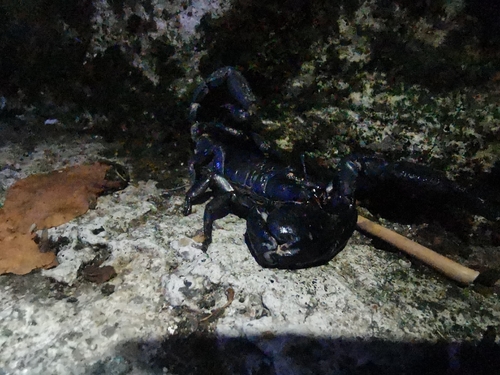
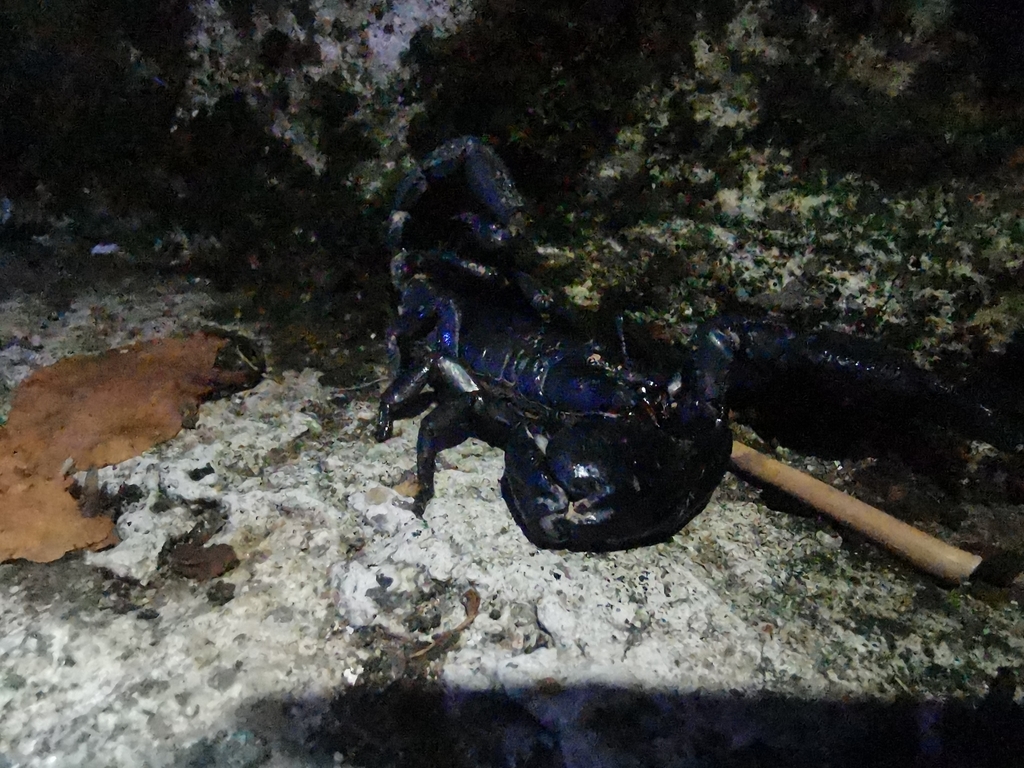
—observations
—countries
—peak records
Not EvaluatedConservation statusIUCN Red List categoriesLCNTVUENCREWEXNot Evaluated — not placed on the risk ladderRed List categories, explained →
Diet & preyCrickets, Forest cockroaches, Earthworms
Predators
- Monitor lizards
- Owls
- Civets
ThreatsHabitat loss from deforestation and commercial harvesting for the exotic pet trade
HabitatsTropical rainforest leaf litter, rotting logs, and subterranean burrows
Life span7–10 years
Classification
- FamilyScorpionidae
- SpeciesHeterometrus silenus
Range data is not available yet.
Interaction riskLow
- Low
- Moderate
- High
- Very high
- Why interaction risk is low
- Sting is mild and pincers can deliver a painful pinch; observe without touching.
Responsible observation
- Night Detection: Scan forest floors and rotting wood with a ultraviolet flashlight, which causes the exoskeleton to glow bright cyan.
- Safe Viewing: Maintain a respectful distance and avoid prodding retreats, as individuals readily raise their claws defensively when disturbed.
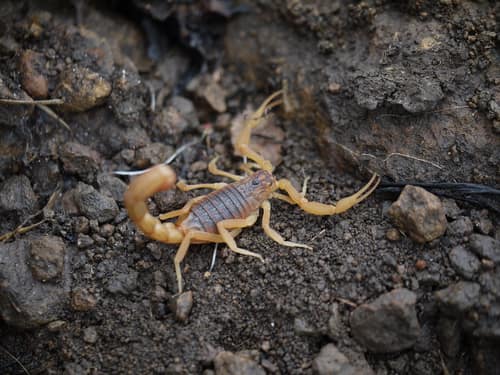
Ecological Neighbor "... scorpion :: Indian red scorpion - Hottentotta tamulus" by Dinesh Valke is licensed under CC BY-SA 2.0. To view a copy of this license, visit https://creativecommons.org/licenses/by-sa/2.0/. · cc-by-sa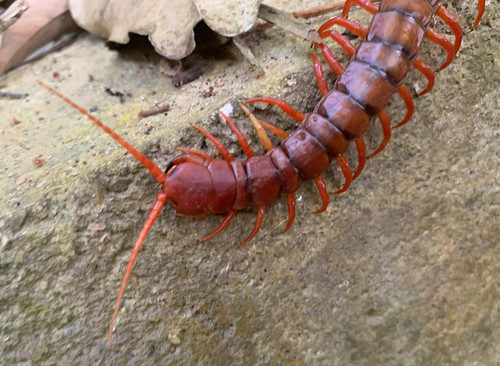
Competitor (c) Carrie Seltzer, some rights reserved (CC BY), uploaded by Carrie Seltzer · cc-by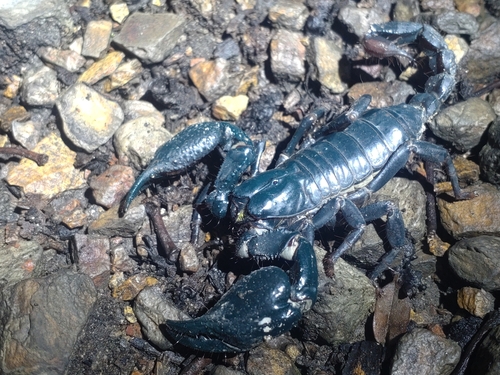
Close Relative (c) Utain Pummarin, some rights reserved (CC BY) · cc-by
Help improve the field guideSomething wrong?
Checking your Fauna account…Report a name, category, or profile issue for review.