
Species · GBIF taxon 11168401
Chimera (Paleontology)
Tylosaurus capensisAlso known as Cape Mosasaur
Tylosaurus capensis prowled Late Cretaceous coastal waters as an imposing apex marine predator off southern Gondwana. Equipped with an elongated, cylindrical snout projecting beyond its front teeth, it used this robust bone ram to stun prey before biting with heavy, recurved jaws. A powerful hypocercal tail fin and paddle-shaped limbs drove this streamlined giant through continental shelf seas with explosive hunting bursts.
CarnivoreMarine Reptile
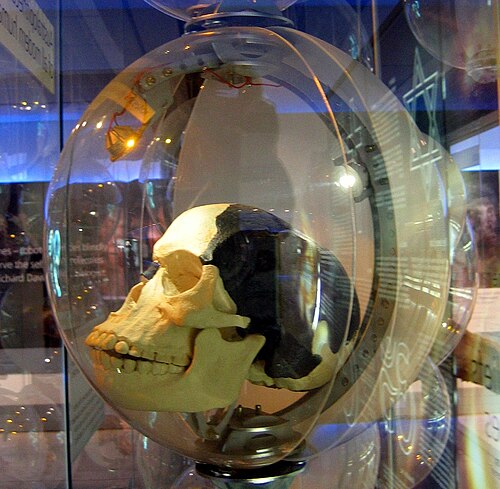
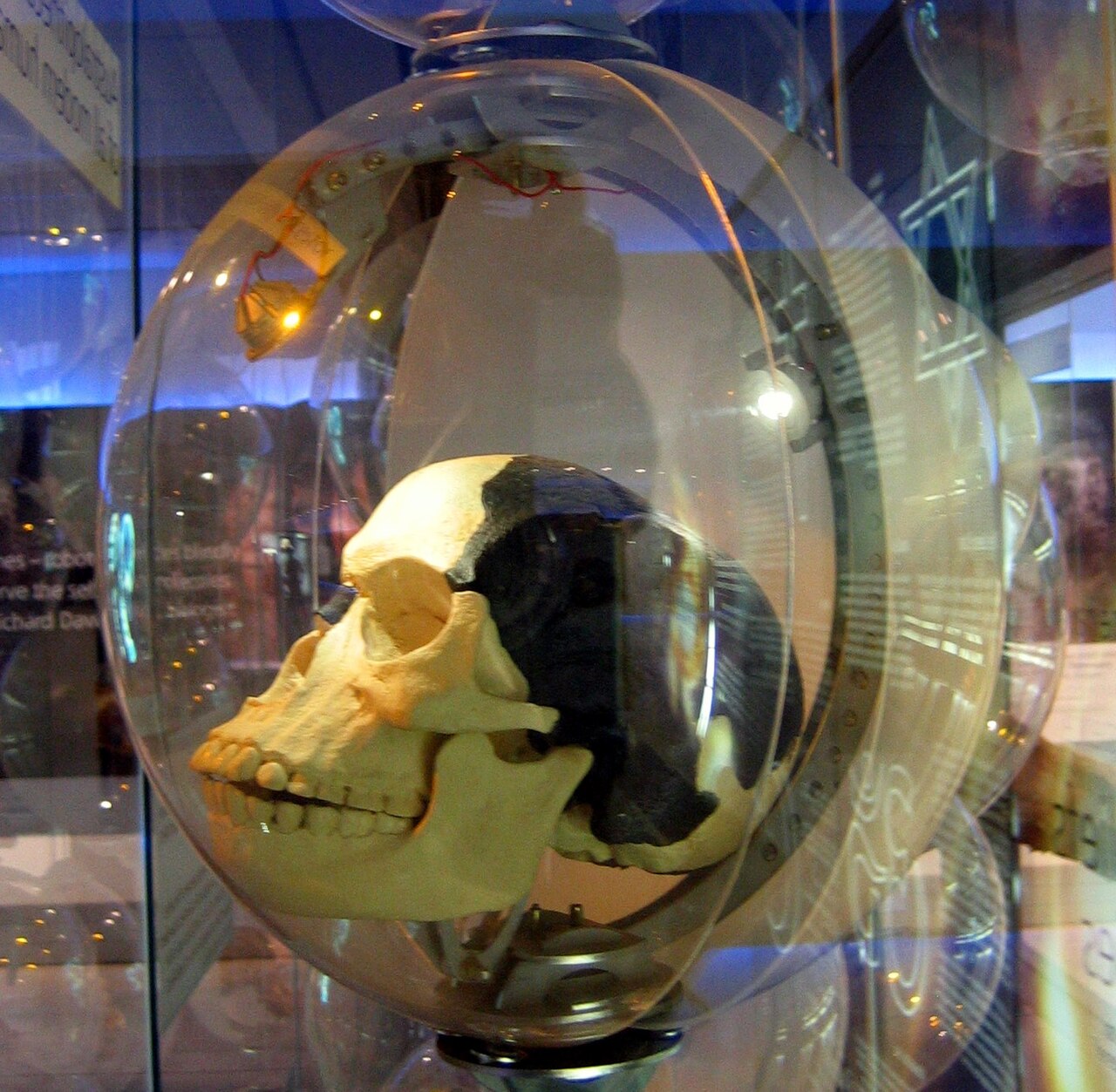
Licensed referenceAnrie / CC BY-SA 3.0 · cc-by-sa
—observations
—countries
—peak records
ExtinctConservation statusIUCN Red List categoriesLCNTVUENCREWEXExtinctRed List categories, explained →
Diet & prey
- Plesiosaurs
- Bony fish
- Ammonites
Predators
- Larger mosasaurs
- Cretoxyrhina mantelli
ThreatsEcosystem collapse during the Cretaceous-Paleogene extinction event
HabitatsPelagic coastal waters and open continental shelf seas
Life spanEstimated 20–30 years
Classification
- FamilyMosasauridae
- SpeciesTylosaurus capensis
Range data is not available yet.
Interaction riskLow
- Low
- Moderate
- High
- Very high
- Why interaction risk is low
- Extinct species known only from fossil records; completely safe to observe in museum collections.
Responsible observation
- Museum Viewing: Examine fossilized jaws and vertebrae on display in collections to appreciate its scale.
- Field Identification: Note the distinctive cylindrical, toothless snout that separates tylosaurines from other mosasaurs.
- Stratigraphic Context: Search for associated Late Cretaceous invertebrate fossils to contextualize its ocean environment.
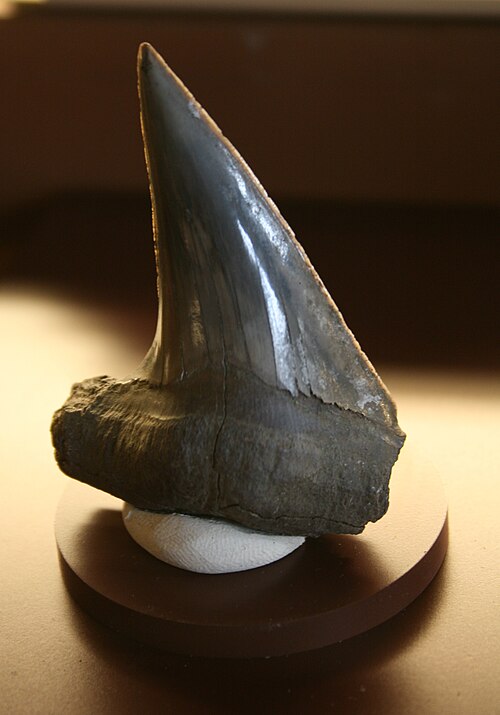
Competitor User:A,Ocram / Public domain · cc0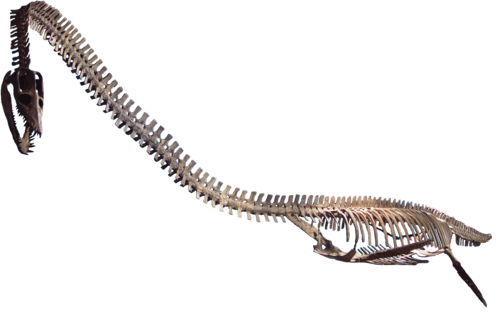
Prey MCDinosaurhunter / CC BY-SA 3.0 · cc-by-sa Image unavailable
Close Relative Same Family
Help improve the field guideSomething wrong?
Checking your Fauna account…Report a name, category, or profile issue for review.