
Insect
Oculudentavis naga
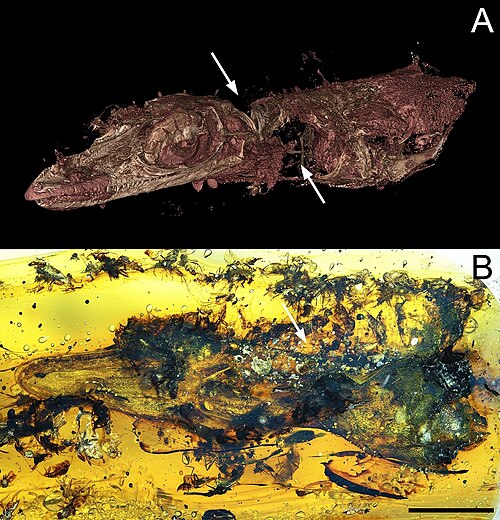
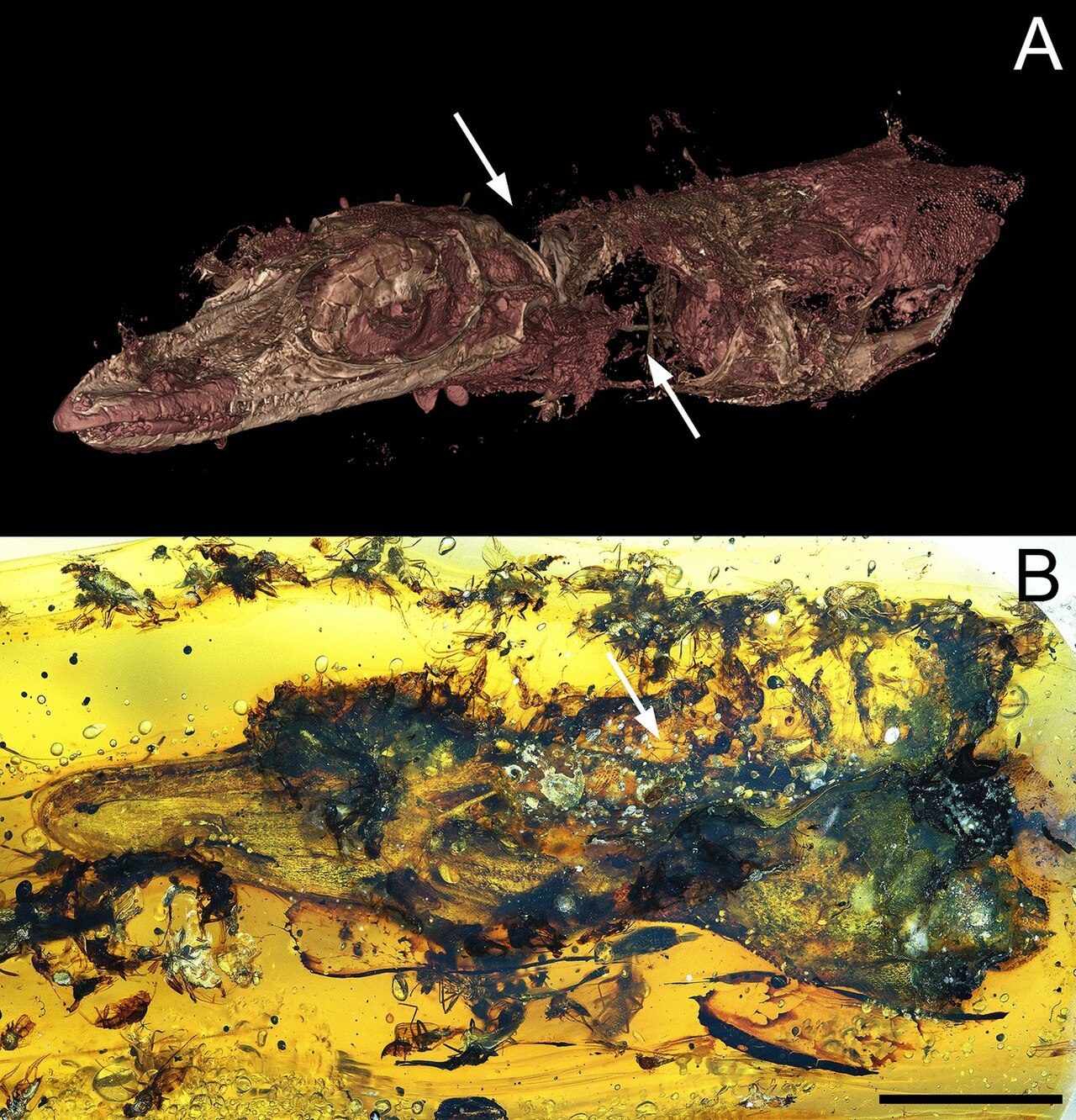
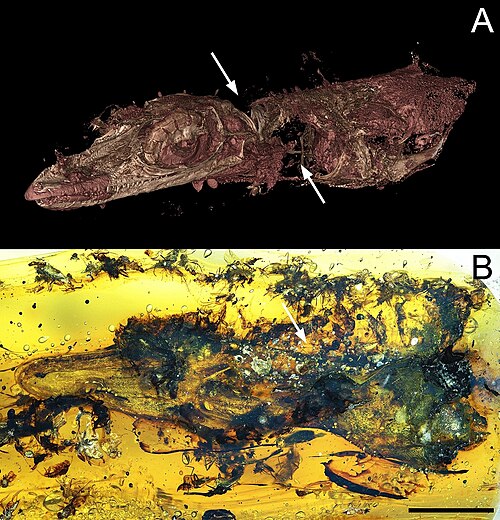
Oculudentavis nagaOculudentavis naga was a diminutive prehistoric lizard that stalked prey through the canopy of mid-Cretaceous tropical forests roughly 99 million years ago. Preserved in exquisite three-dimensional detail inside amber, its skull displays unusually large eye sockets ringed with spoon-shaped ossicles and rows of tiny, fusion-anchored teeth. Its discovery challenged paleontologists and illuminated the remarkable morphological diversity among early arboreal squamates.
FossilPrehistoric
—observations
—countries
—peak records
ExtinctConservation statusIUCN Red List categoriesLCNTVUENCREWEXExtinctRed List categories, explained →
Diet & preyPrimitive beetles, Early flies, Forest soft-bodied invertebrates
Predators
- Carnivorous theropods
- Early avialans
- Larger arboreal reptiles
ThreatsEnvironmental changes and Cretaceous extinction events
HabitatsPrehistoric tropical resin-producing forests
Life spanUnknown
Classification
- FamilyCeratopogonidae
- SpeciesOculudentavis naga
Range data is not available yet.
Interaction riskLow
- Low
- Moderate
- High
- Very high
- Why interaction risk is low
- Extinct prehistoric species preserved in fossil amber; safe to observe.
Responsible observation
- Museum Viewing: Examine high-resolution CT scans and digital reconstructions to appreciate delicate internal skull bones.
- Amber Observation: Use specialized backlighting and stereomicroscopes to inspect minute surface details preserved in fossil resin.
Help improve the field guideSomething wrong?
Checking your Fauna account…Report a name, category, or profile issue for review.