
Insect · GBIF taxon 1114140
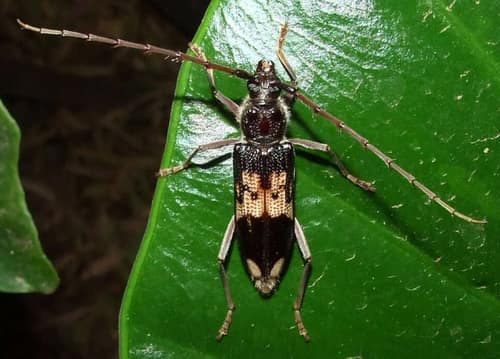
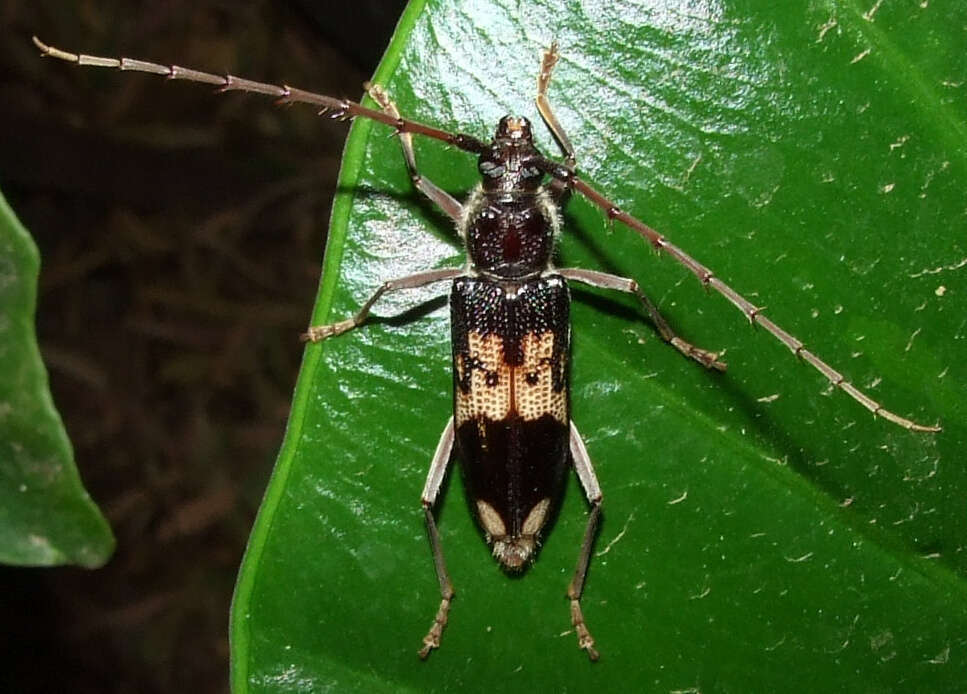
Common Eucalyptus Longhorn
Phoracantha semipunctataAlso known as Eucalyptus Longhorned Borer, Australian Eucalyptus Longhorn
Common eucalyptus longhorns spend most of their life cycle as larvae tunneling through the cambium layer of stressed eucalyptus trees. Adults emerge during warm months, utilizing extremely long antennae to detect host volatile chemicals from miles away. Females lay clusters of eggs under loose bark, creating signature galleries that can girdle and kill weakened trees.
Wood-BorerInvasiveNocturnal
—observations
—countries
—peak records
Not EvaluatedConservation statusIUCN Red List categoriesLCNTVUENCREWEXNot Evaluated — not placed on the risk ladderRed List categories, explained →
Diet & prey
- Eucalyptus wood
- Eucalyptus sap
- Eucalyptus pollen
Predators
- Parasitoid wasps
- Woodpeckers
- Lizards
ThreatsForestry management, parasitoid wasps, extreme cold
HabitatsEucalyptus forests, plantations, and urban trees
Life span1–2 years
Size / weightNot available
Classification
- FamilyCerambycidae
- SpeciesPhoracantha semipunctata
Range data is not available yet.
Interaction riskLow
- Low
- Moderate
- High
- Very high
- Why interaction risk is low
- Capable of a sharp pinch with strong mandibles if handled; observe without direct contact.
- Why it is dangerous
- Powerful mandibles designed for chewing through solid timber can break skin if the beetle is pinched or pinched against hands.
- How to recognize a risky encounter
- Recognizable by antennae exceeding body length and reddish-brown wing covers marked with pale yellow patches.
- What to do
- Avoid grasping adults directly; use a container or tool if relocated from living spaces.
Responsible observation
- Night Spotting: Look for adults resting on eucalyptus trunks or attracted to outdoor lights during warm summer evenings.
- Bark Inspection: Check stressed or dying eucalyptus trees for coarse frass and oval emergence holes.
 Image unavailable
Parasite 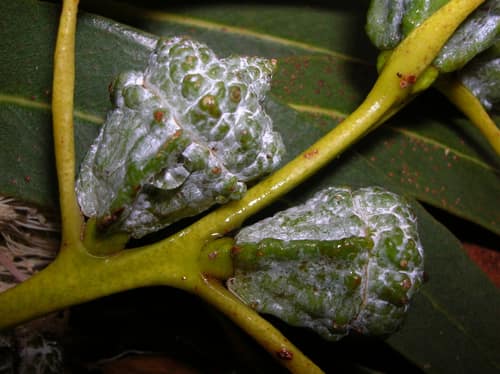
Host Plant (c) Forest and Kim Starr, some rights reserved (CC BY) · cc-by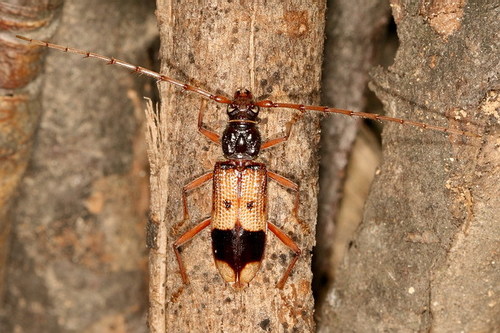
Close Relative (c) Stanislav Krejčík, some rights reserved (CC BY) · cc-by
Help improve the field guideSomething wrong?
Checking your Fauna account…Report a name, category, or profile issue for review.