
Plant
African Desert Banana
Strelitzia junceaAlso known as Rush-leaved Strelitzia, Narrow-leaved Bird of Paradise, Crane Flower
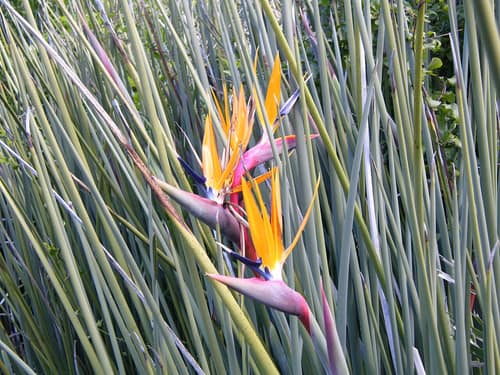
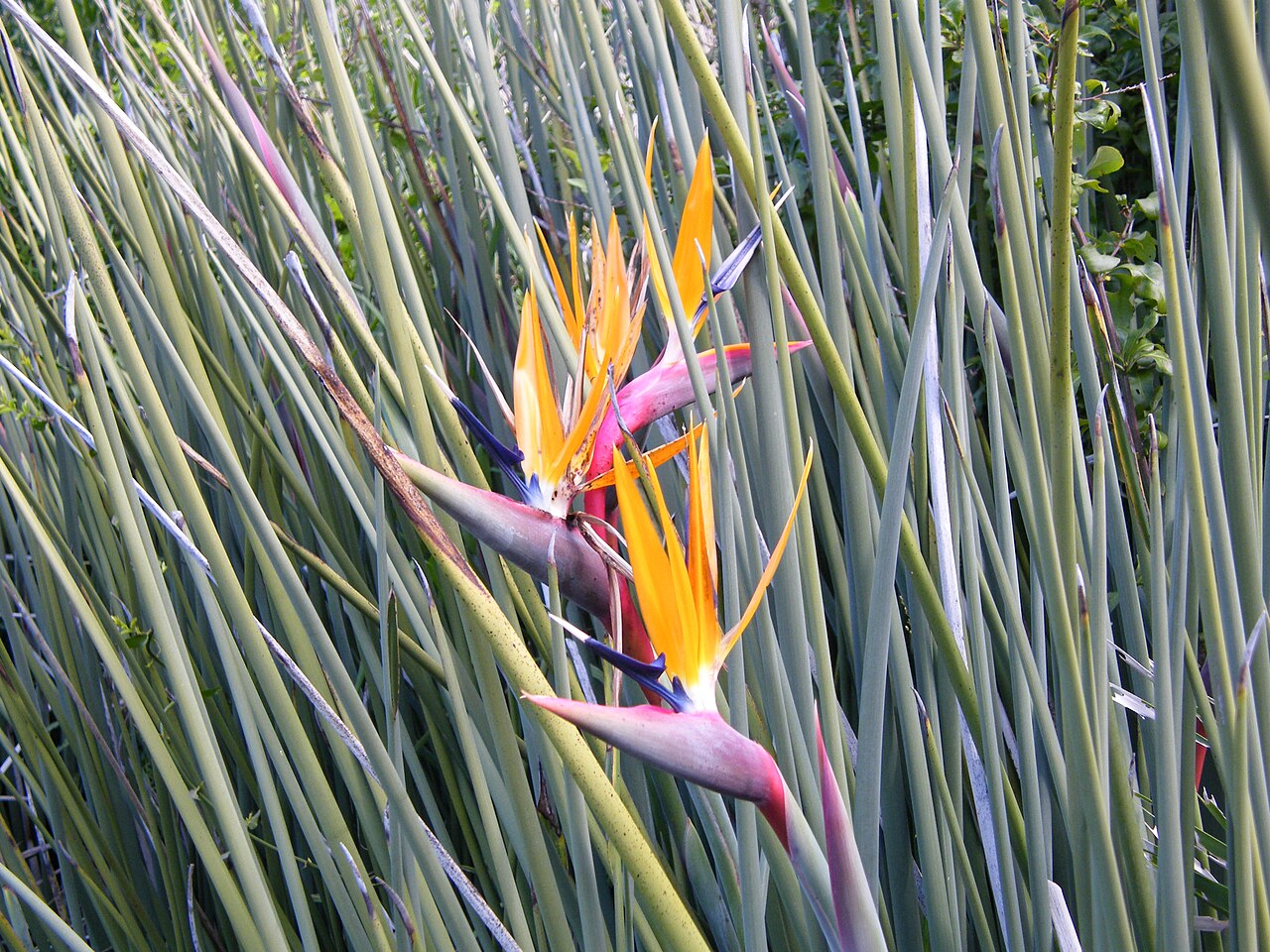
African desert bananas produce upright fans of stiff, cylindrical, rush-like stems that entirely lack the broad paddle blades typical of their close relatives. Vibrant orange and electric-blue crane flowers emerge from boat-shaped spathes positioned lower than the leaf tips, attracting native sunbirds that perch on the rigid bracts to feed on nectar. Adapted to arid, rocky slopes in South Africa, mature clumps endure intense heat, drought, and occasional winter frost with deep, fleshy root systems.
Drought-TolerantFloweringPerennial
—observations
—countries
—peak records
VulnerableConservation statusIUCN Red List categoriesLCNTVUENCREWEXVulnerableRed List categories, explained →
Diet & preyAutotrophic (photosynthetic)
ThreatsIllegal wild harvesting for horticulture and habitat degradation
HabitatsArid succulent thickets, stony slopes, and rocky scrublands
Life span50–100 years
Classification
- FamilyStrelitziaceae
- SpeciesStrelitzia juncea
Range data is not available yet.
Interaction riskHigh
- Low
- Moderate
- High
- Very high
- Why interaction risk is high
- Seeds and floral tissues are toxic to dogs and cats if chewed or ingested.
- Why it is dangerous
- Contains unidentified gastrointestinal toxins and tannins that trigger nausea, vomiting, and lethargy in domestic pets.
- How to recognize a risky encounter
- Look for dense clusters of cylindrical, blade-less stems topped by bright orange and blue crane-like blossoms.
- What to do
- Keep cultivated specimens away from grazing pets, and seek prompt veterinary care if domestic animals consume any plant parts.
- What to notice
- Recognized by its stiff, leafless rush stems that set it apart from ordinary bird-of-paradise plants in Eastern Cape thickets.
- Support conservation
- Never harvest seed pods or dig wild specimens; purchase exclusively from certified propagation nurseries.
Responsible observation
- Observation Season: Look for flowers between late autumn and early spring when blooms are most prolific.
- Wild Etiquette: Stay on established trails in native thickets to protect slow-growing root systems from trampling.
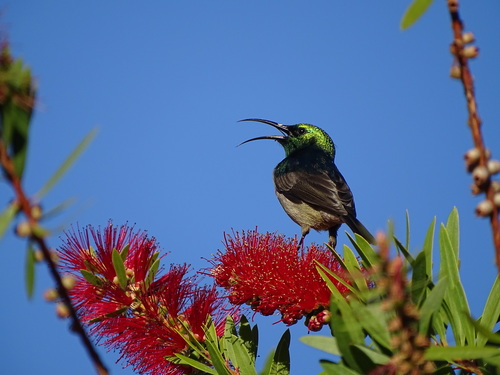
Pollinator (c) Shaun Swanepoel, some rights reserved (CC BY) · cc-by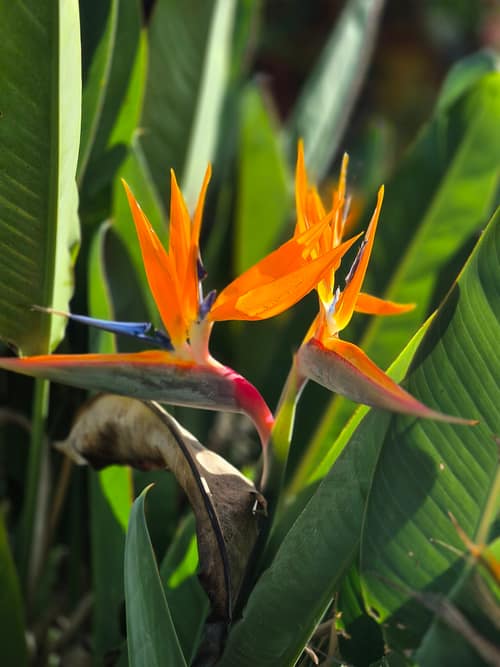
Close Relative Gabriel Collares / CC BY 4.0 · cc-by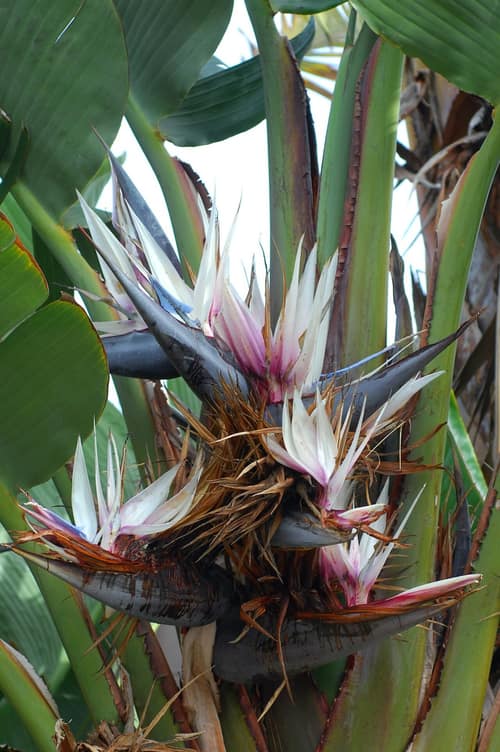
Close Relative Eric in SF / CC BY-SA 3.0 · cc-by-sa
Help improve the field guideSomething wrong?
Checking your Fauna account…Report a name, category, or profile issue for review.