
Plant · GBIF taxon 11008739
Australian Umbrella Tree
Heptapleurum actinophyllumAlso known as Queensland Umbrella Tree, Octopus Tree, Ivy Palm
Australian umbrella trees feature striking glossy leaves that radiate outwards from a central point like the ribs of an umbrella. In native rainforests, mature trees produce showy red flower spikes radiating above the canopy like giant octopus tentacles, which attract honeyeaters, bats, and fruit-eating birds. Widely cultivated across the globe as a popular houseplant, it has also escaped cultivation in many tropical regions where it grows as a aggressive environmental weed.
EvergreenTropicalFlowering
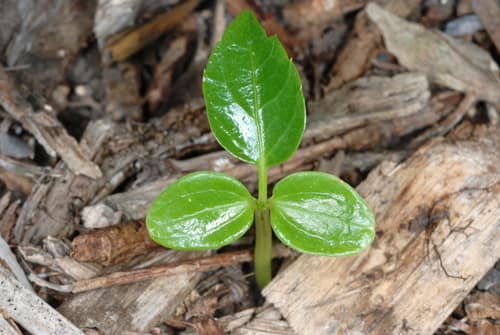
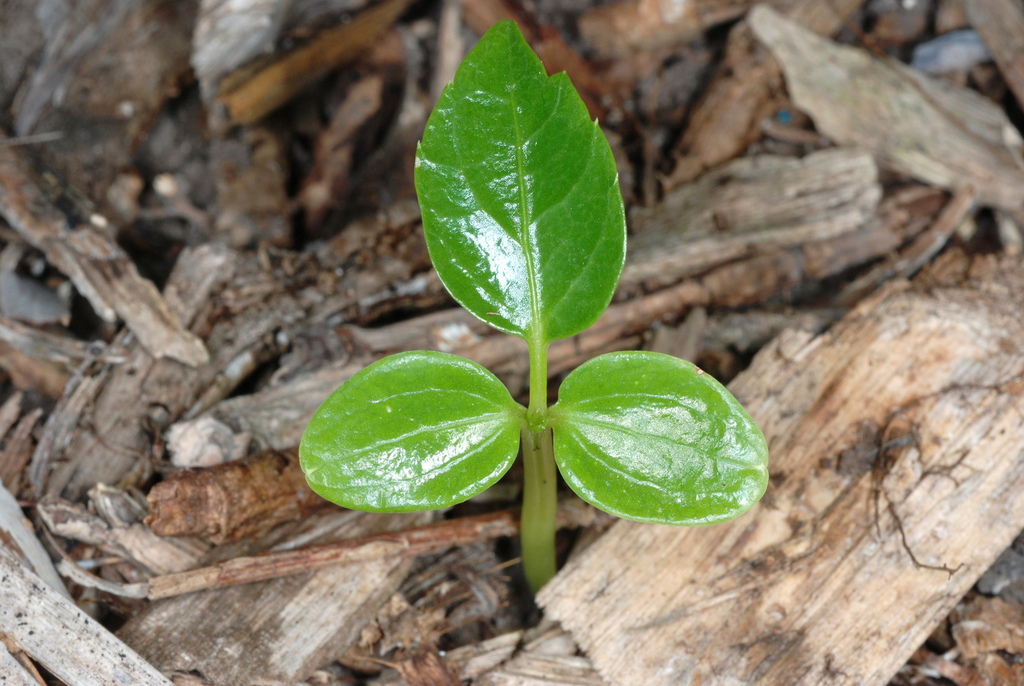 1 / 7
1 / 7—observations
—countries
—peak records
Least ConcernConservation statusIUCN Red List categoriesLCNTVUENCREWEXLeast ConcernRed List categories, explained →
Diet & prey
- Autotrophic (Photosynthetic)
Predators
- Scale Insects
- Mealybugs
- Spider Mites
ThreatsHabitat clearing in parts of native range; controlled as an invasive species elsewhere
HabitatsTropical rainforests, gallery forests, disturbed urban woodland
Life span50–100 years
Size / weightNot available
Classification
- OrderApiales
- FamilyAraliaceae
- GenusHeptapleurum
- SpeciesHeptapleurum actinophyllum
Range data is not available yet.
Interaction riskHigh
- Low
- Moderate
- High
- Very high
- Why interaction risk is high
- Sap causes skin irritation and calcium oxalates harm pets; wild berries have toxic look-alikes, never ingest.
- Why it is dangerous
- Contains microscopic calcium oxalate crystals and terpenes that cause severe oral irritation, swelling, and dermatitis upon contact.
- How to recognize a risky encounter
- Recognize the palmate compound leaves with seven or more radiating leaflets and large terminal red flower clusters.
- What to do
- Avoid handling cut stems without gloves, and rinse skin immediately with water if sap contacts skin.
Responsible observation
- Observation: Look for long, octopus-like flower spikes radiating above the upper foliage.
- Safety Precautions: Wear gloves when pruning to avoid contact with irritating sap.
- Pet Care: Position indoor container plants away from cats and dogs that might chew leaves.
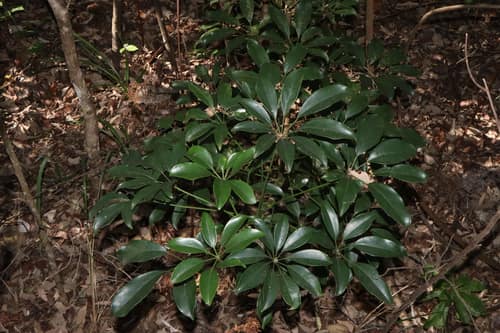
Close Relative (c) Thomas Mesaglio, some rights reserved (CC BY) · cc-by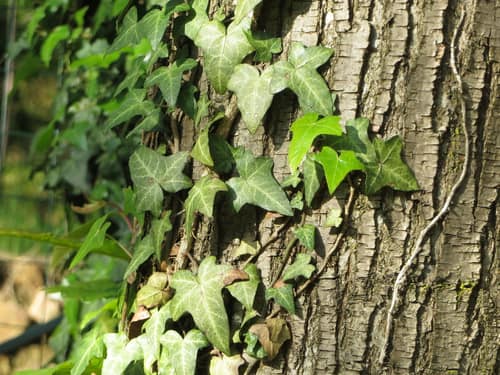
Family Member (c) Marianna Boi, some rights reserved (CC BY), uploaded by Marianna Boi · cc-by Image unavailable
Family Member 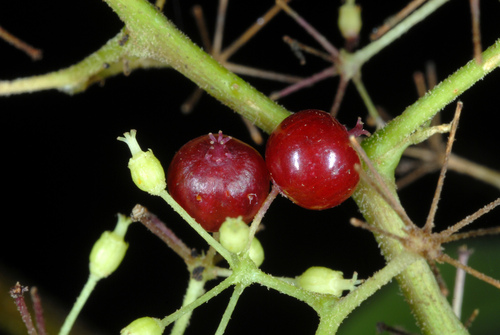
Family Member (c) Douglas Goldman, some rights reserved (CC BY-SA), uploaded by Douglas Goldman · cc-by-sa
Help improve the field guideSomething wrong?
Checking your Fauna account…Report a name, category, or profile issue for review.