
Plant · GBIF taxon 10961470
African Spear
Dracaena angolensisAlso known as Spear Sansevieria, Cylindrical Snake Plant, Spear Orchid
African spear plants feature smooth, upright, cylindrical leaves that grow in a fan-shaped arrangement or braided architectural spires from subterranean rhizomes. In their dry Angolan habitat, these underground stems store reserves while the thick waxy leaves minimize moisture loss during prolonged droughts. Pale pinkish-white flower spikes occasionally emerge from the center, opening at night to emit a subtle sweet fragrance.
SucculentDrought-TolerantArchitectural
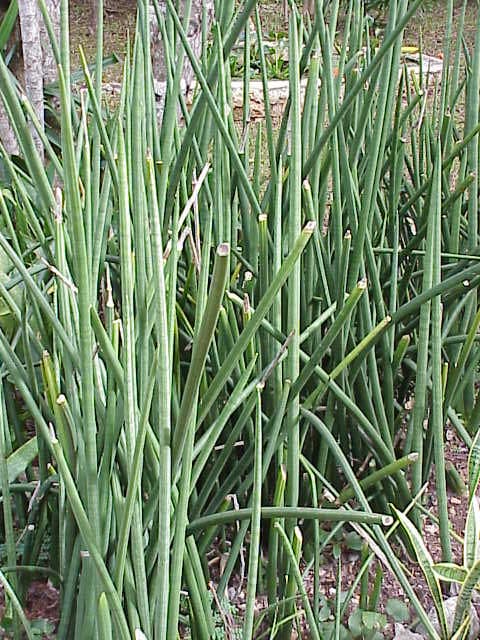
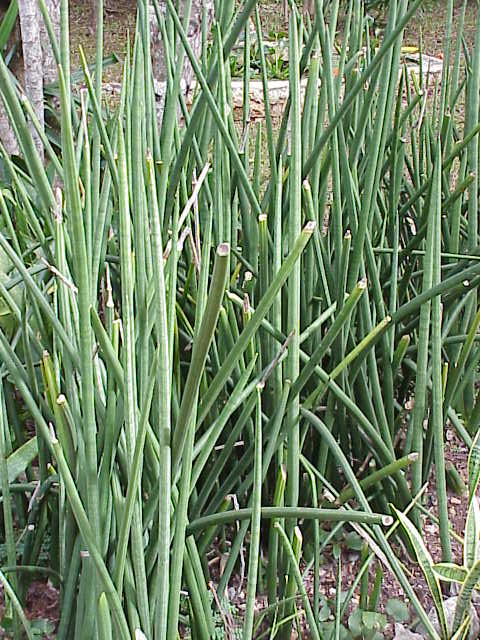
Licensed referenceWikimedia Commons / CC BY-SA 3.0 · cc-by-sa
—observations
—countries
—peak records
Not EvaluatedConservation statusIUCN Red List categoriesLCNTVUENCREWEXNot Evaluated — not placed on the risk ladderRed List categories, explained →
Diet & prey
- Photosynthetic
Predators
- Mealybugs
- Scale insects
- Spider mites
ThreatsHabitat loss, overcollection for commercial horticultural trade
HabitatsArid savannahs, dry tropical shrublands, rocky thickets
Life span20–50+ years
Size / weightNot available
Classification
- OrderAsparagales
- FamilyAsparagaceae
- GenusDracaena
- SpeciesDracaena angolensis
Range data is not available yet.
Interaction riskHigh
- Low
- Moderate
- High
- Very high
- Why interaction risk is high
- Contains saponins toxic to dogs and cats if ingested; keep out of reach of domestic pets.
- Why it is dangerous
- Leaves contain steroidal saponins that cause gastrointestinal distress, drooling, nausea, and vomiting in cats and dogs.
- How to recognize a risky encounter
- Distinguished by round, spear-like cylindrical leaves springing stiffly from the soil in a fan shape.
- What to do
- Keep potted specimens elevated away from curiosity-driven pets, and wear gloves when dividing rhizomes.
Responsible observation
- Watering Care: Allow the soil to dry out completely between waterings to prevent root rot.
- Lighting Needs: Provide bright indirect light to maintain deep green leaf coloration and upright growth.
- Pet Protection: Place indoor potted plants on elevated stands to keep them out of reach of pets.
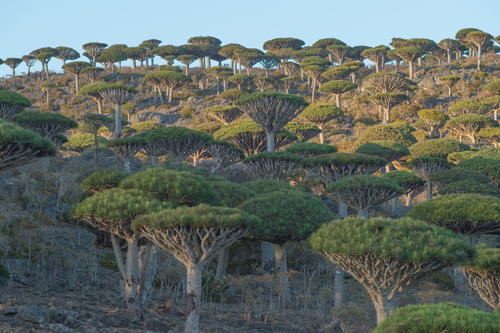
Genus Member (c) Morten Ross, some rights reserved (CC BY), uploaded by Morten Ross · cc-by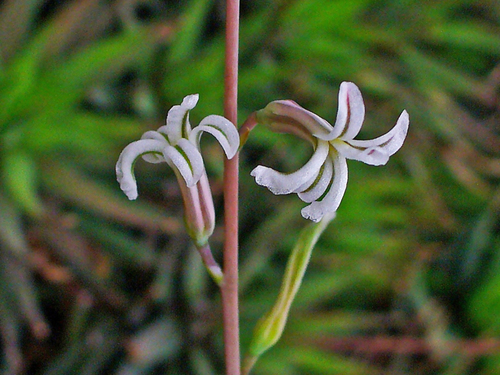
Succulent Companion (c) H. Zell, some rights reserved (CC BY-SA) · cc-by-sa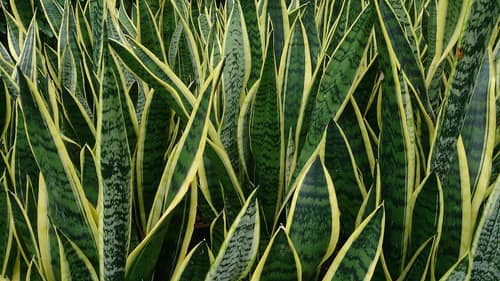
Close Relative Mokkie / CC BY-SA 3.0 · cc-by-sa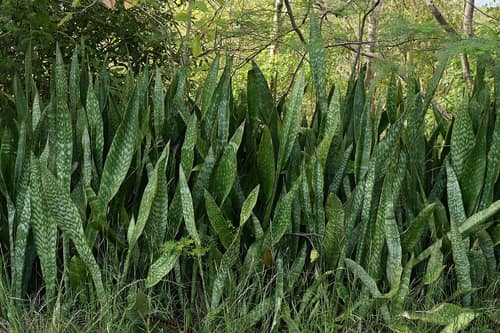
Close Relative Krzysztof Ziarnek, Kenraiz / CC BY-SA 4.0 · cc-by-sa
Help improve the field guideSomething wrong?
Checking your Fauna account…Report a name, category, or profile issue for review.