
Insect
Varied Carpet Beetle
Anthrenus verbasciAlso known as Carpet Beetle, Varied Museum Beetle
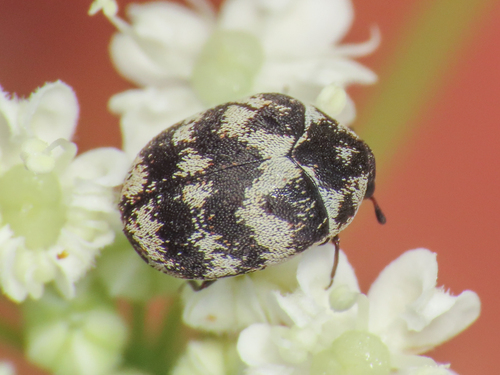
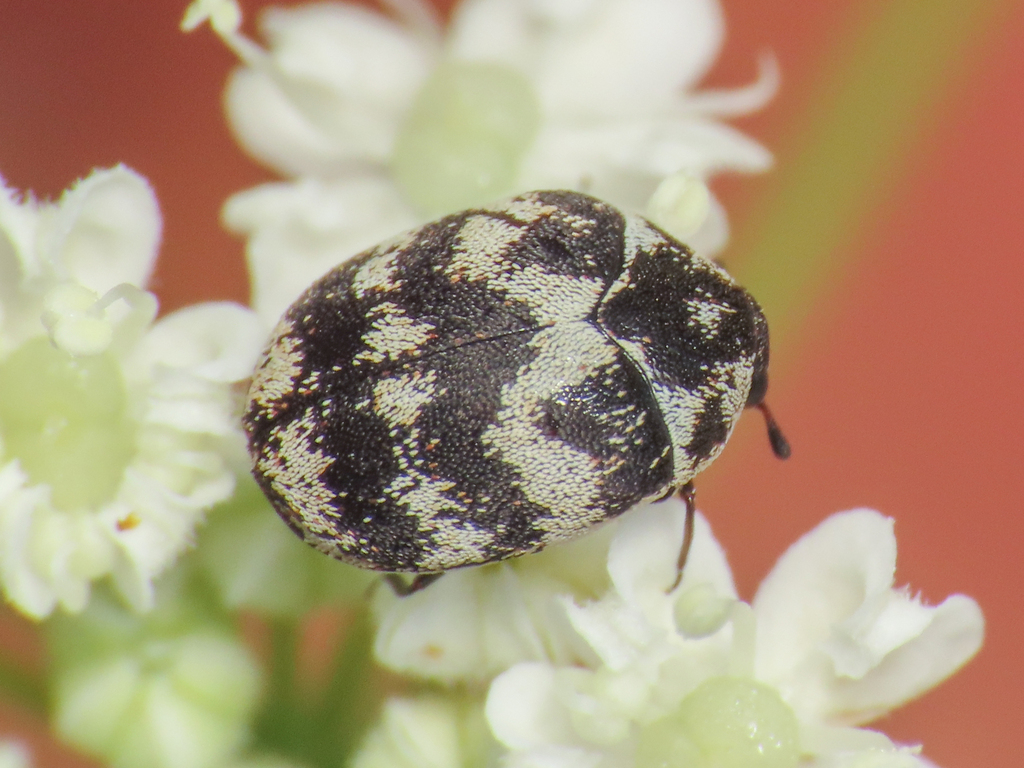
Varied carpet beetles are tiny, rounded insects with intricate mottles of white, yellow, and brown scales across their wing covers. Adults spend sunny days outdoors feeding on white blossoms, while their dense, hair-covered larvae scavenge indoors on keratin-rich animal fibers like wool, feathers, and shed hair. Individuals maintain a rigid internal circannual clock that coordinates their multi-month larval growth and springtime emergence regardless of ambient conditions.
SynanthropicTinyInsect Pest
—observations
—countries
—peak records
Not EvaluatedConservation statusIUCN Red List categoriesLCNTVUENCREWEXNot Evaluated — not placed on the risk ladderRed List categories, explained →
Diet & preyFlower pollen, Floral nectar, Animal fibers (larvae)
Predators
- Spiders
- Pseudoscorpions
- Parasitoid wasps
ThreatsPest management measures and domestic vacuuming
HabitatsIndoor human dwellings, museum collections, bird nests, floral garden beds
Life span1–3 years (spent primarily in the larval stage)
Classification
- OrderColeoptera
- FamilyDermestidae
- GenusAnthrenus
- SpeciesAnthrenus verbasci
Range data is not available yet.
Interaction riskLow
- Low
- Moderate
- High
- Very high
- Why interaction risk is low
- Larval hairs can cause allergic skin rashes; handle infested materials with gloves.
- Why it is dangerous
- Barbed larval hairs known as hastisetae detach easily, causing persistent skin itching, rash, or localized allergic dermatitis.
- How to recognize a risky encounter
- Look for tiny, slow-crawling teardrop-shaped larvae covered in dark, dense tufts of bristly hair along baseboards or inside stored woolens.
- What to do
- Avoid handling larvae with bare hands; use a vacuum or disposable gloves when removing infested textiles.
Responsible observation
- Inspect stored textiles: Vacuum carpets, closets, and pet beds regularly to remove larval food.
- Check cut flowers: Shake outdoor garden blossoms before bringing them indoors to exclude adults.
- Freeze museum items: Isolate infested natural materials in sub-zero cold to neutralize larvae.

Competitor (c) Поляков Александр, some rights reserved (CC BY), uploaded by Поляков Александр · cc-by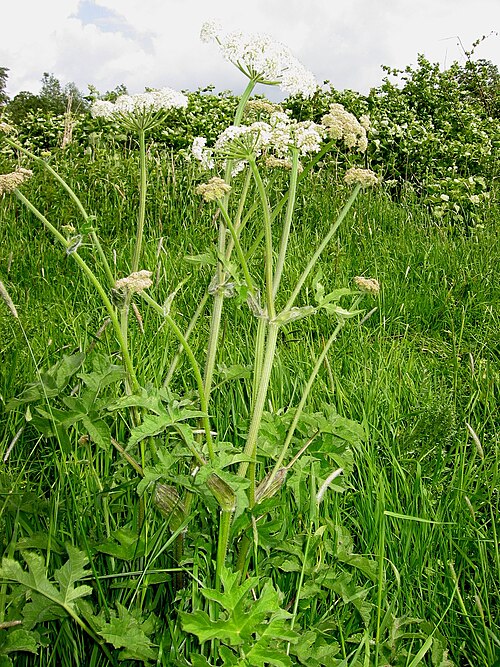
Food Source Wikimedia Commons / CC BY-SA 3.0 · cc-by-sa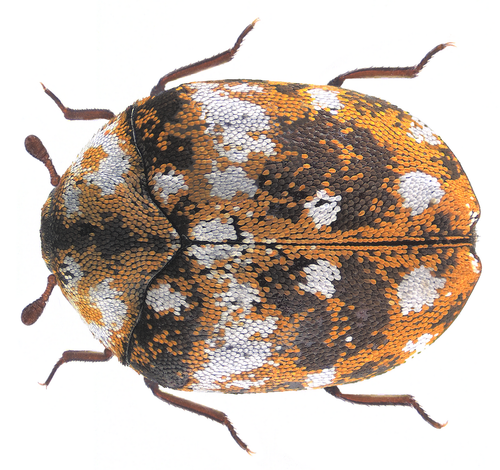
Close Relative (c) Udo Schmidt, some rights reserved (CC BY-SA) · cc-by-sa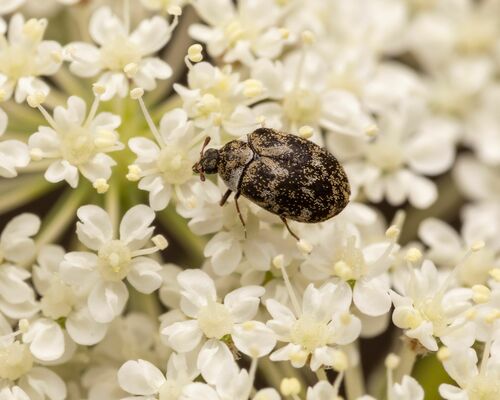
Close Relative (c) Zachary Dankowicz, some rights reserved (CC BY), uploaded by Zachary Dankowicz · cc-by
Help improve the field guideSomething wrong?
Checking your Fauna account…Report a name, category, or profile issue for review.