
Insect · GBIF taxon 1095791
Ptinus raptor
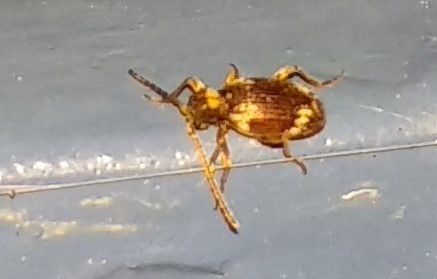
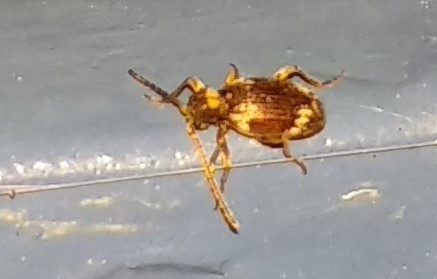
Ptinus raptorEastern spider beetles earned their name from their globular, rounded abdomens, long spindly legs, and tucked heads, which give them a striking arachnid-like silhouette. These nocturnal scavengers inhabit bird nests, rodent burrows, and dry human pantries, feeding quietly on forgotten organic debris, dried animal matter, and grains. Adults frequently feign death when disturbed, drawing their antennae and appendages tight against their bodies until danger passes.
NocturnalScavengerBeetle
—observations
—countries
—peak records
Not EvaluatedConservation statusIUCN Red List categoriesLCNTVUENCREWEXNot Evaluated — not placed on the risk ladderRed List categories, explained →
Diet & prey
- Stored grains and flour
- Dried animal matter
- Seeds and dried fungi
Predators
- House centipedes
- Cobweb spiders
- Predatory mites
ThreatsPesticide applications and thorough food-storage sanitation
HabitatsBird and mammal nests, granaries, pantries, warehouses, and old dry wood
Life span1–2 years
Classification
- FamilyPtinidae
- SpeciesPtinus raptor
Range data is not available yet.
Interaction riskLow
- Low
- Moderate
- High
- Very high
- Why interaction risk is low
- Harmless to humans and pets, posing no risk of bites or stings.
Responsible observation
- Pantry Monitoring: Store grains and flours in airtight glass or thick plastic containers to deter feeding.
- Gentle Capture: Scoop wandering adults onto an index card for easy observation, as they cannot fly.
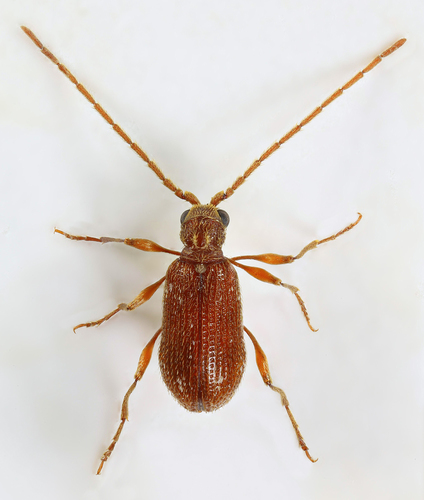
Close Relative (c) Janet Graham, some rights reserved (CC BY) · cc-by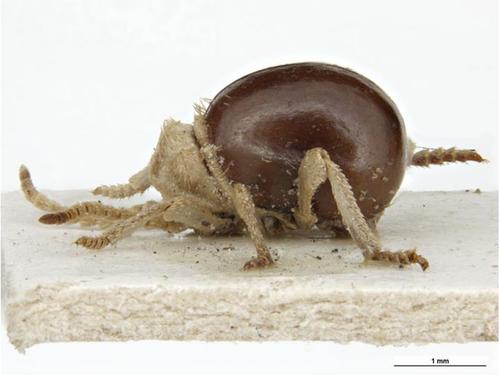
Same Family (c) K. Walker, Museum Victoria, some rights reserved (CC BY) · cc-by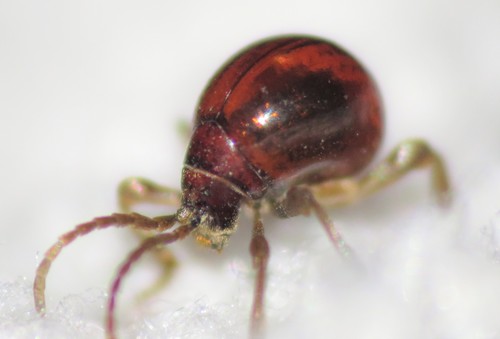
Same Family (c) Paul Roots, some rights reserved (CC BY), uploaded by Paul Roots · cc-by
Help improve the field guideSomething wrong?
Checking your Fauna account…Report a name, category, or profile issue for review.