
Insect
Carolina Dung Beetle
Dichotomius carolinusAlso known as Carolina Copris
Carolina dung beetles are heavy-bodied tunnelers that perform essential sanitation across eastern North American pastures and grasslands. Adults fly on warm summer nights in search of fresh herbivore manure, which they excavate beneath and roll into deep underground brood chambers. By burying copious amounts of dung, they recycle soil nutrients, aerate the ground, and dramatically suppress parasitic pasture flies.
NocturnalDecomposerBurrower
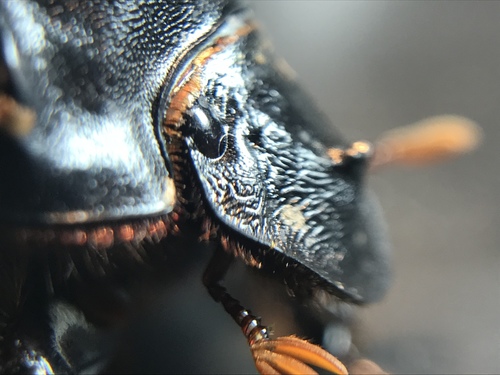
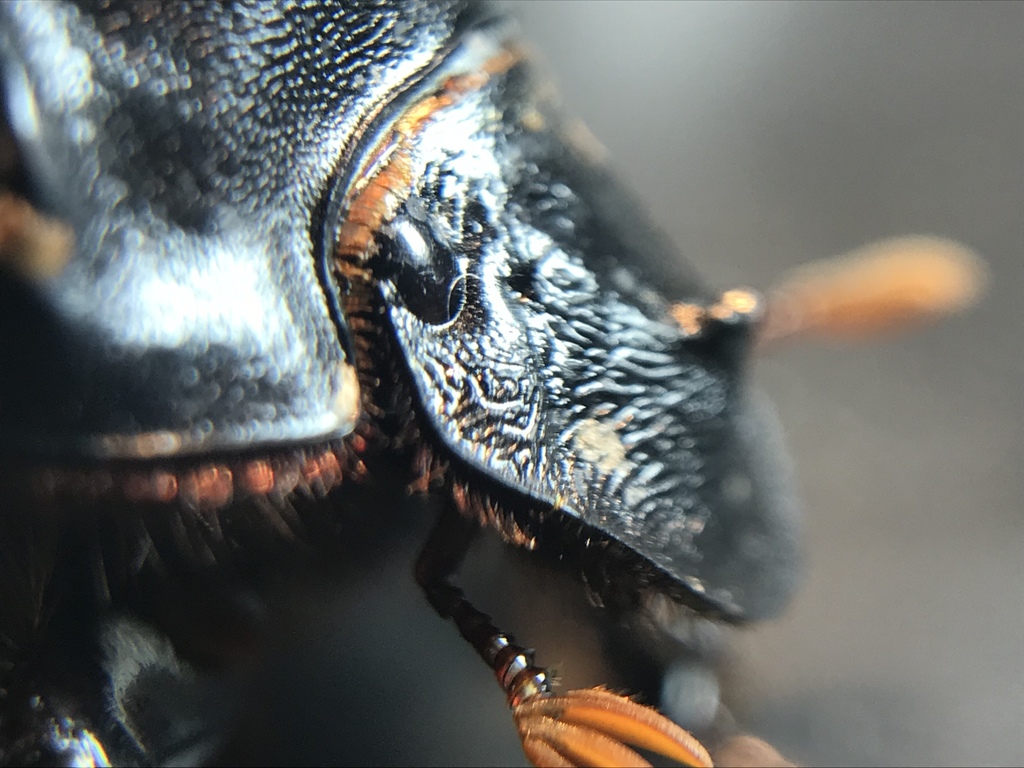
—observations
—countries
—peak records
Not EvaluatedConservation statusIUCN Red List categoriesLCNTVUENCREWEXNot Evaluated — not placed on the risk ladderRed List categories, explained →
Diet & preyCattle dung, Horse dung, Organic detritus
Predators
- Striped skunk
- Nine-banded armadillo
- Eastern screech-owl
ThreatsVeterinary antiparasitics like ivermectin in livestock waste, soil compaction, and urbanization
HabitatsPastures, open woodlands, prairies, and agricultural meadows
Life span1–2 years
Classification
- OrderColeoptera
- FamilyScarabaeidae
- GenusDichotomius
- SpeciesDichotomius carolinus
Range data is not available yet.
Interaction riskLow
- Low
- Moderate
- High
- Very high
- Why interaction risk is low
- Harmless to humans and pets; safe to observe at a normal distance.
Responsible observation
- Night Observation: Search around pasture margins and near bright outdoor lights on humid summer evenings.
- Gentle Relocation: Pick up gently by the sides of the hard elytra if moving one away from footpaths.
- Soil Signs: Look for small mounds of freshly pushed-up earth beneath livestock droppings.
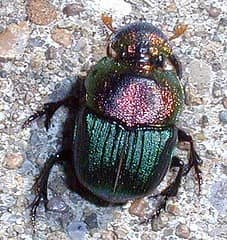
Competitor "Rainbow Scarab" by thatredhead4 is licensed under CC BY 2.0. To view a copy of this license, visit https://creativecommons.org/licenses/by/2.0/. · cc-by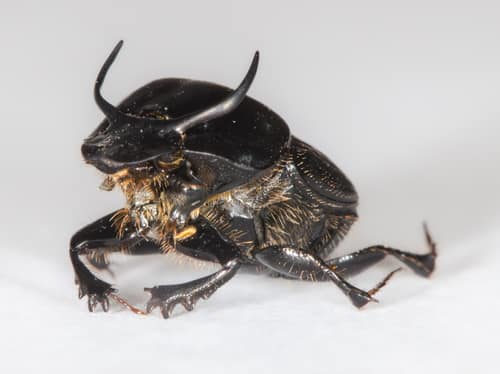
Competitor (c) Don Loarie, some rights reserved (CC BY), uploaded by Don Loarie · cc-by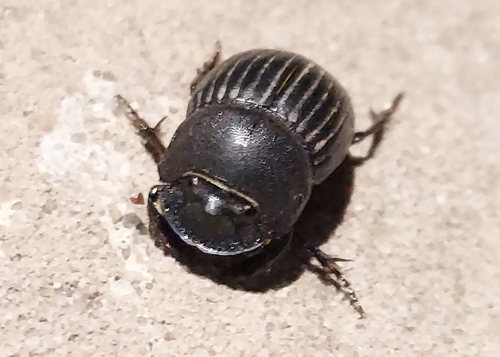
Same Family (c) florawhite, some rights reserved (CC BY) · cc-by
Help improve the field guideSomething wrong?
Checking your Fauna account…Report a name, category, or profile issue for review.