
Invertebrate
Queen Conch
Aliger gigasAlso known as Pink Conch, Pink-lipped Conch, Caribbean Queen Conch
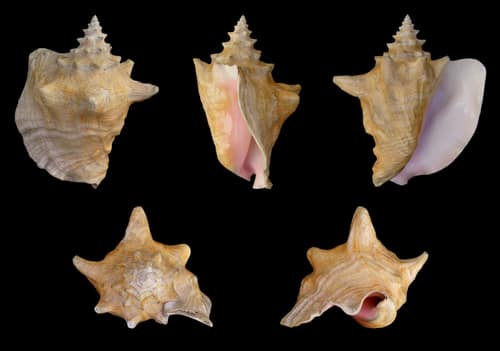
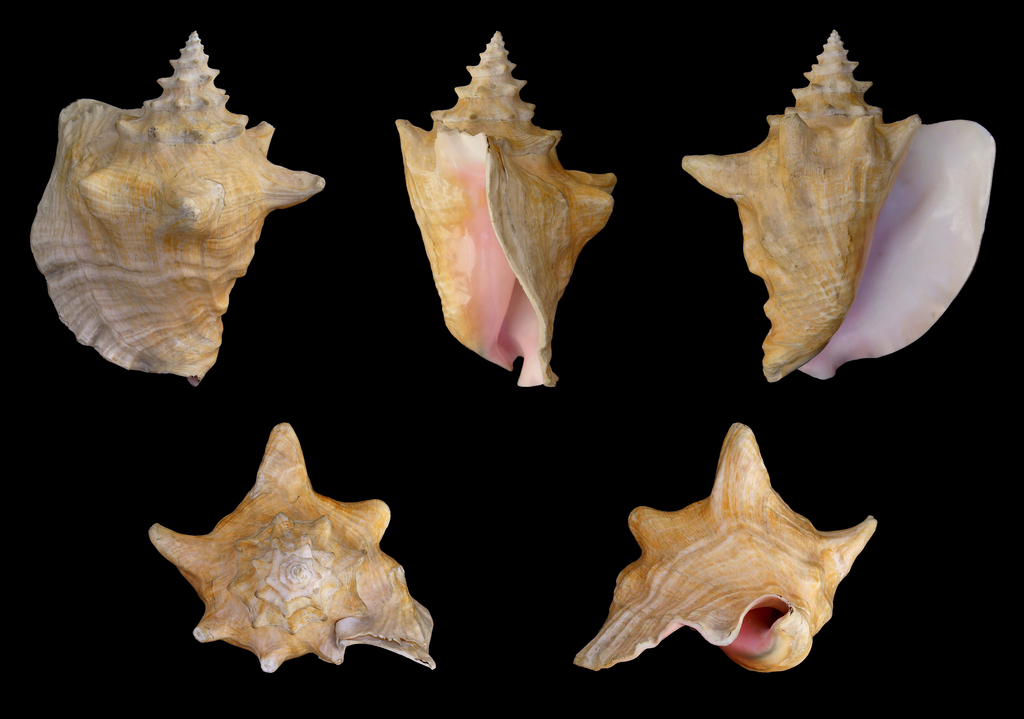
Queen conches are iconic marine gastropods famous for their massive, heavy shells with flared lips of vibrant pink and orange. Moving across seagrass beds using a claw-like operculum to hop forward, these long-lived herbivores play a crucial role in maintaining healthy reef lagoons. Decades of intensive harvest for meat and decorative shells have driven severe population declines, leading to strict fishery regulations across much of their Caribbean range.
MarineMolluskSeagrass
—observations
—countries
—peak records
Near ThreatenedConservation statusIUCN Red List categoriesLCNTVUENCREWEXNear ThreatenedRed List categories, explained →
Diet & preyMacroalgae, Seagrass Epiphytes, Detritus
Predators
- Nurse Shark
- Loggerhead Sea Turtle
- Spiny Lobster
ThreatsOverfishing, poaching, habitat loss, ocean acidification
HabitatsSeagrass beds, sandy substrates, coral reef lagoons
Life span20–40 years
Classification
- OrderLittorinimorpha
- FamilyStrombidae
- GenusAliger
- SpeciesAliger gigas
Range data is not available yet.
Interaction riskLow
- Low
- Moderate
- High
- Very high
- Why interaction risk is low
- Safe to observe at a normal distance.
- What to notice
- Look for large heavy shells with flared pink lips moving along shallow seagrass beds.
- Support conservation
- Never harvest or displace live individuals, and observe local regulations in protected marine areas.
Responsible observation
- Observe in water: Watch adults forage along sandy substrates without disturbing their position.
- Respect protected zones: Avoid handling live conches in marine reserves where collecting is illegal.
- Examine empty shells: Inspect washed-up shells on beaches while leaving live animals undisturbed.
 Image unavailable
Co-occurring Species 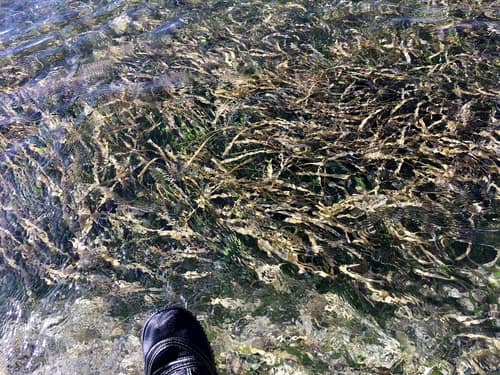
Host Habitat no rights reserved · cc0Close Relative 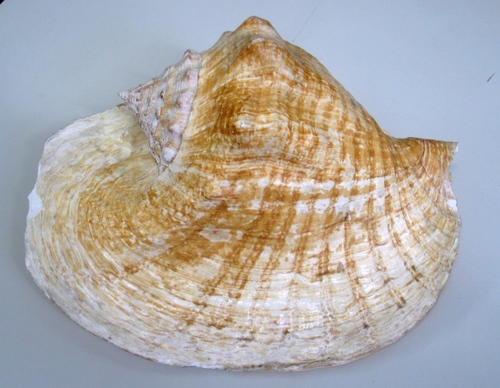
Close Relative (c) Daniel Cavallari, some rights reserved (CC BY) · cc-by
Help improve the field guideSomething wrong?
Checking your Fauna account…Report a name, category, or profile issue for review.