
Amphibian · GBIF taxon 10898216
Levant Green Toad
Bufotes sitibundusAlso known as Levant Toad, Middle Eastern Green Toad
Levant green toads feature striking marbled patterns of green spots across a light grey or brownish back, offering excellent camouflage among dry scrub and gravel. Active mainly at night, these resilient amphibians emerge after spring rains to gather around temporary pools where males produce melodious, trilling mating calls. Their parotoid glands behind the eyes produce distasteful secretions that deter predators in their arid and semi-arid landscapes.
NocturnalAmphibianCamouflaged
Licensed referenceGuy Haimovitch / CC BY-SA 3.0 · cc-by-sa
—observations
—countries
—peak records
Least ConcernConservation statusIUCN Red List categoriesLCNTVUENCREWEXLeast ConcernRed List categories, explained →
Diet & prey
- Beetles
- Spiders
- Earthworms
Predators
- Herons
- Snakes
- Hedgehogs
ThreatsHabitat loss, pollution, traffic mortality, and loss of breeding ponds
HabitatsGrasslands, scrublands, agricultural fields, semi-arid plains, and urban gardens
Life span7–12 years
Size / weightNot available
Classification
- FamilyBufonidae
- SpeciesBufotes sitibundus
Range data is not available yet.
Interaction riskHigh
- Low
- Moderate
- High
- Very high
- Why interaction risk is high
- Skin secretions can irritate eyes and are toxic to pets if swallowed; wash hands after contact.
- Why it is dangerous
- Parotoid glands secrete bufotoxins that cause severe irritation to mucous membranes and potential toxicity in domestic pets if chewed or ingested.
- How to recognize a risky encounter
- Look for prominent greenish blotches on a pale background and distinct raised parotoid glands behind each eye.
- What to do
- Observe without picking up, wash hands thoroughly with soap if accidentally handled, and keep pets at a safe distance.
Responsible observation
- Listen for Calls: Males produce a high-pitched trill near shallow water during warm spring evenings.
- Check Damp Shelters: Look under rocks, logs, and garden pots where individuals hide from midday heat.
- Keep Distance: Avoid handling to protect their sensitive skin and prevent contact with defensive toxins.
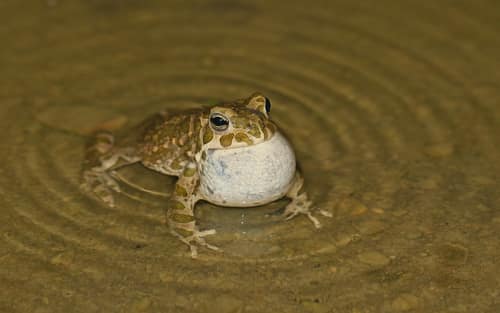
Close Relative (c) Christoph Moning, some rights reserved (CC BY), uploaded by Christoph Moning · cc-by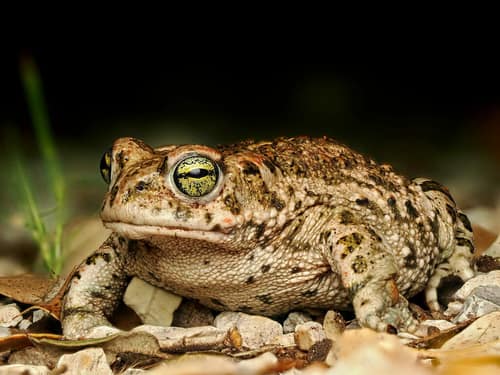
Family Member (c) Gilles San Martin, some rights reserved (CC BY-SA), uploaded by Gilles San Martin · cc-by-sa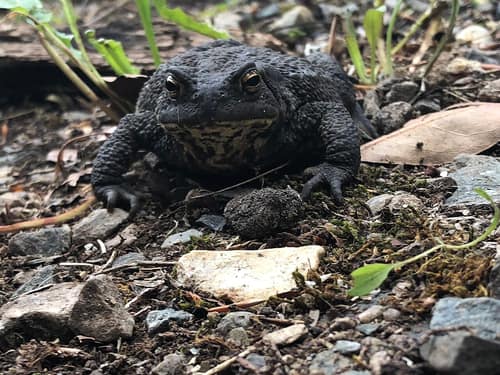
Family Member Tythatguy1312 / CC BY-SA 4.0 · cc-by-sa
Help improve the field guideSomething wrong?
Checking your Fauna account…Report a name, category, or profile issue for review.