
Arachnid
Golden Silk Spider
Trichonephila clavipesAlso known as Golden Silk Orb-weaver
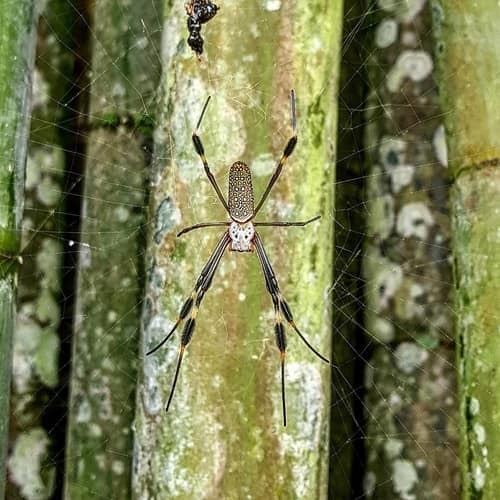
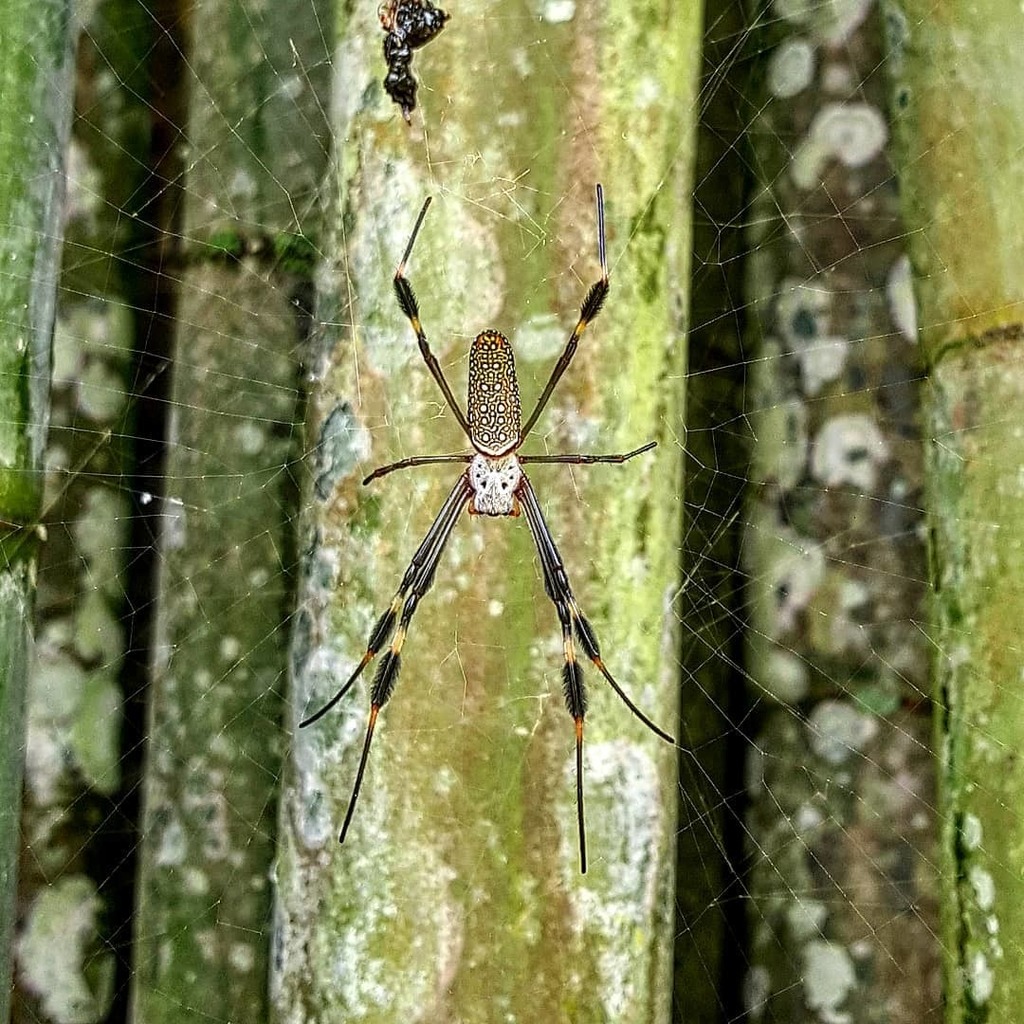
Golden Silk Spiders suspend large golden-tinted orb webs across sunny gaps in wooded vegetation. Adult females are long-bodied and conspicuous, while males are much smaller and often remain near the edge of a female's web.
orb weavergolden webforest edge
—observations
—countries
—peak records
Least ConcernConservation statusIUCN Red List categoriesLCNTVUENCREWEXLeast ConcernRed List categories, explained →
Diet & preyMoths, flies, beetles
Predators
- birds
- wasps
- lizards
ThreatsPesticides, vegetation clearing, web destruction, and deliberate killing
HabitatsWoodland gaps, forest edges, gardens, mangroves, and sheltered paths with web supports
Life spanUsually about one year for females, while adult males live for a shorter period
Classification
- OrderAraneae
- FamilyAraneidae
- GenusTrichonephila
- SpeciesTrichonephila clavipes
Range data is not available yet.
Interaction riskLow
- Low
- Moderate
- High
- Very high
- Why interaction risk is low
- A trapped or handled spider may bite, causing localized pain and swelling.
- Why it is dangerous
- Although reluctant to bite, a restrained Golden Silk Spider can puncture skin and inject venom.
- How to recognize a risky encounter
- Confirm a large elongated orb weaver resting in a strong yellow-gold web between vegetation.
- What to do
- Do not pick up or trap the spider; wash a bite and seek care for severe or persistent symptoms.
Responsible observation
- Observe: Walk around anchor lines and view the web without touching or shaking it.
- Identify: Compare the large female's elongated body, tufted legs, and golden silk.
Help improve the field guideSomething wrong?
Checking your Fauna account…Report a name, category, or profile issue for review.