
Amphibian · GBIF taxon 10863553
Cope's Gray Treefrog
Dryophytes chrysoscelisAlso known as Cope's Treefrog
Cope's gray treefrogs are masters of arboreal camouflage, blending seamlessly into lichen-covered tree bark with variable shades of gray, green, and brown. During hot summer evenings, males gather near woodland ponds to emit a fast-paced, high-pitched trill that distinguishes them from their identical tetraploid cousins. Like many northern treefrogs, they produce glycerol in winter, allowing them to freeze nearly solid under leaf litter and thaw harmlessly each spring.
ArborealNocturnalCamouflaged
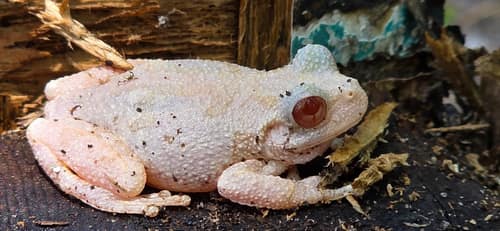
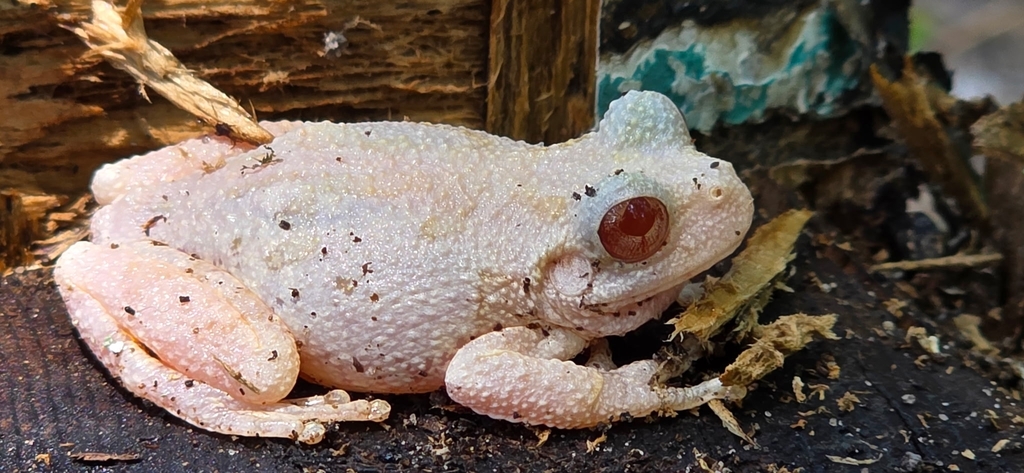
—observations
—countries
—peak records
Least ConcernConservation statusIUCN Red List categoriesLCNTVUENCREWEXLeast ConcernRed List categories, explained →
Diet & prey
- Insects
- Spiders
- Moths
Predators
- Snakes
- Birds
- Small Mammals
ThreatsHabitat loss, wetland degradation, chemical runoff
HabitatsDeciduous forests, mixed woodlands, wetlands, swamp edges
Life span5–7 years
Size / weightNot available
Classification
- OrderAnura
- FamilyHylidae
- GenusDryophytes
- SpeciesDryophytes chrysoscelis
Range data is not available yet.
Interaction riskLow
- Low
- Moderate
- High
- Very high
- Why interaction risk is low
- Safe to observe at a normal distance.
Responsible observation
- Listening: Identify males at night by their rapid, buzzing trill call near breeding ponds.
- Handling: Wash hands before and after touching to protect sensitive frog skin from oils and salts.
- Spotting: Look high on tree trunks or on porch lights where insects gather after dark.
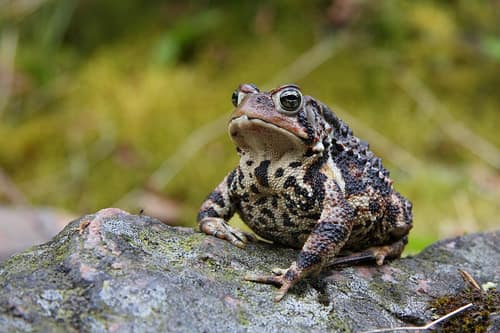
Breeding Neighbor Cephas / CC BY-SA 3.0 · cc-by-sa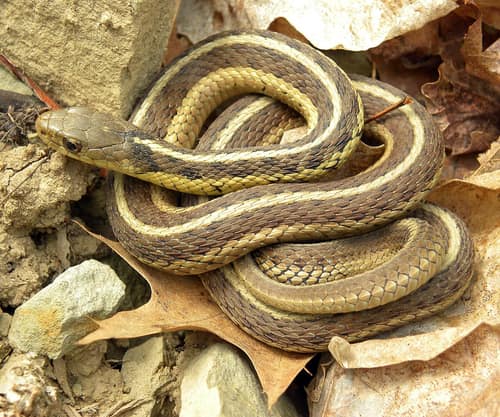
Predator Wilson44691 / Public domain · cc0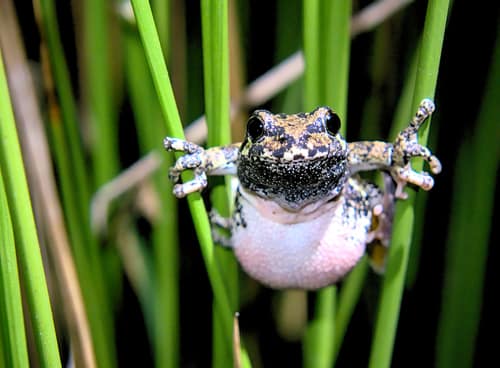
Close Relative (c) Blake Ross, some rights reserved (CC BY), uploaded by Blake Ross · cc-by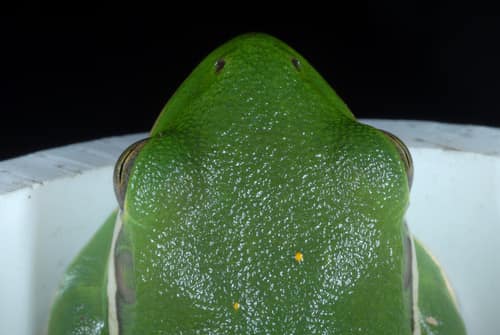
Close Relative (c) Douglas Goldman, some rights reserved (CC BY-SA), uploaded by Douglas Goldman · cc-by-sa
Keep collecting in Fauna
Found in Collections
Species set
Moonlight Marvels
Cope's Gray Treefrog is found in this collection. Identify it in Fauna to fill this slot and continue your progress.
—/7
Help improve the field guideSomething wrong?
Checking your Fauna account…Report a name, category, or profile issue for review.