
Insect · GBIF taxon 1085188
Eurasian Bee Beetle
Trichius fasciatusAlso known as Bee Beetle, European Bee Beetle
Eurasian bee beetles are striking scarabs covered in dense yellow fuzz with bold black bars across their elytra, effectively mimicking hairy bumblebees to deter predators. Adults fly with a loud buzz during warm summer days, visiting sunny flower heads like hogweed, bramble, and thistle to feed on nectar and pollen. Females lay eggs in decaying hardwood, where the larvae spend one to two years feeding on rotting timber before pupating.
Bumblebee MimicPollinatorDiurnal
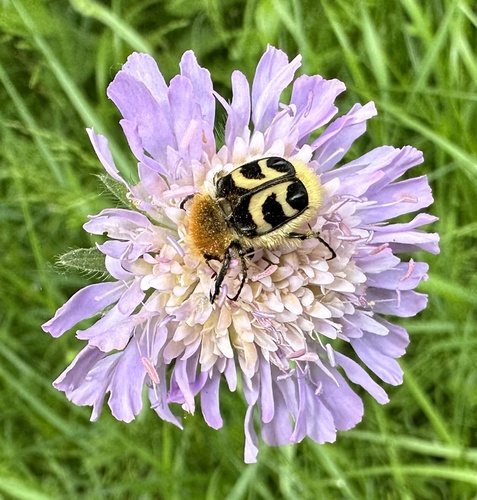
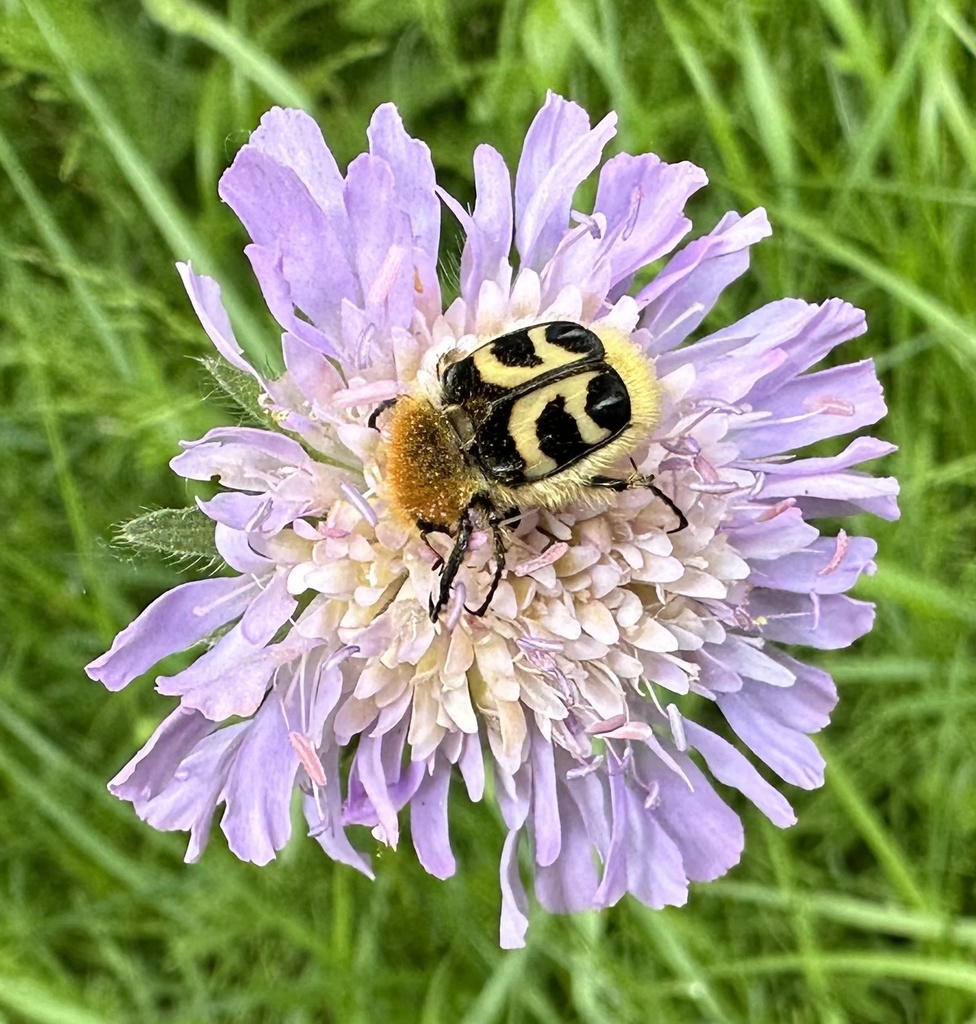 1 / 7
1 / 7—observations
—countries
—peak records
Least ConcernConservation statusIUCN Red List categoriesLCNTVUENCREWEXLeast ConcernRed List categories, explained →
Diet & prey
- Pollen
- Nectar
- Floral tissues
Predators
- Insectivorous birds
- Spiders
- Small rodents
ThreatsRemoval of decaying deadwood and loss of natural woodland habitat
HabitatsDeciduous woodlands, sunny forest clearings, and flower-rich meadows
Life span1–2 years
Size / weightNot available
Classification
- OrderColeoptera
- FamilyScarabaeidae
- GenusTrichius
- SpeciesTrichius fasciatus
Range data is not available yet.
Interaction riskLow
- Low
- Moderate
- High
- Very high
- Why interaction risk is low
- Safe to observe at a normal distance.
Responsible observation
- Look on flower heads: Search open white umbels like hogweed or bramble blossoms on sunny summer middays.
- Approach quietly: Observe closely while they feed, as they tend to remain still when undisturbed.
- Watch the wings: Observe how adults lift their elytra cleanly during flight to mimic a bee in motion.
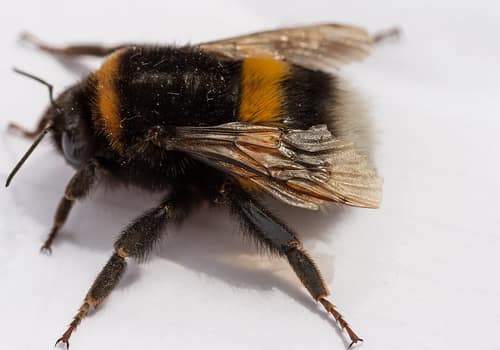
Batesian Model Marco Almbauer / CC0 · cc0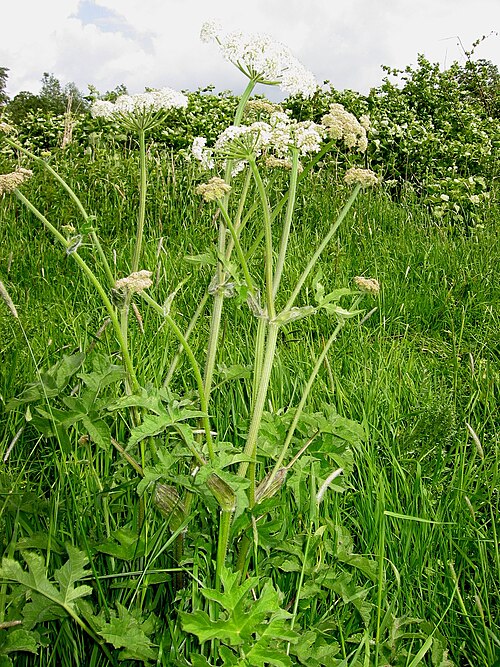
Food Plant Wikimedia Commons / CC BY-SA 3.0 · cc-by-sa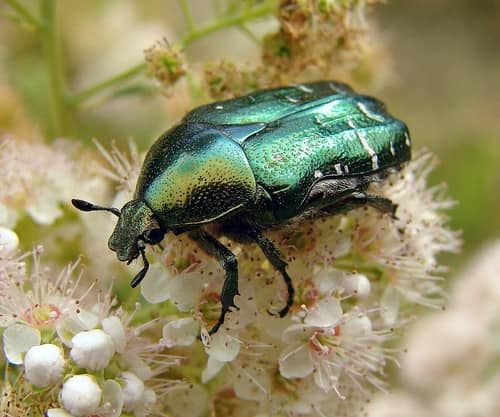
Subfamily Relative Chrumps / CC BY-SA 3.0 · cc-by-sa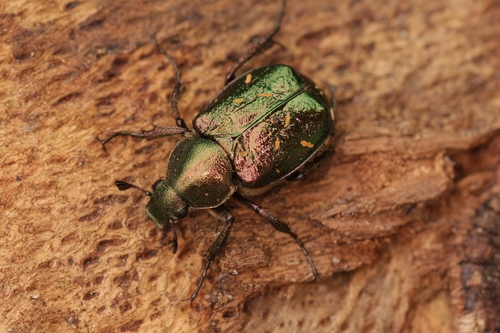
Close Relative (c) Jakob Jilg, some rights reserved (CC BY-SA) · cc-by-sa
Help improve the field guideSomething wrong?
Checking your Fauna account…Report a name, category, or profile issue for review.