
Arachnid
Tiger Spider
Trichonephila plumipesAlso known as Pacific Golden Orb Weaver
Pacific golden orb weavers construct massive, semi-permanent webs made of exceptionally strong, yellowish silk that shimmers in direct sunlight. Females dominate the central hub with their boldly patterned striped bodies and brush-like leg tufts, while dwarf males linger along the outer barrier threads waiting for a safe mating opportunity. These spiders rarely rebuild their entire web at once, preferring to repair damaged sections at dawn after a busy night of snaring large flying insects.
Silk WeaverSexual DimorphismPredator
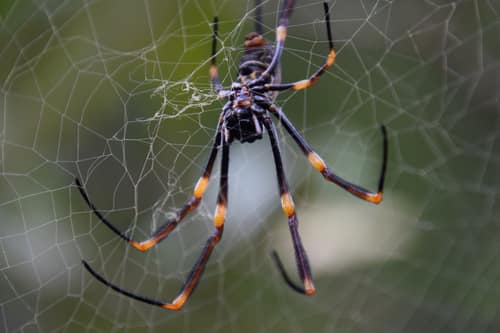
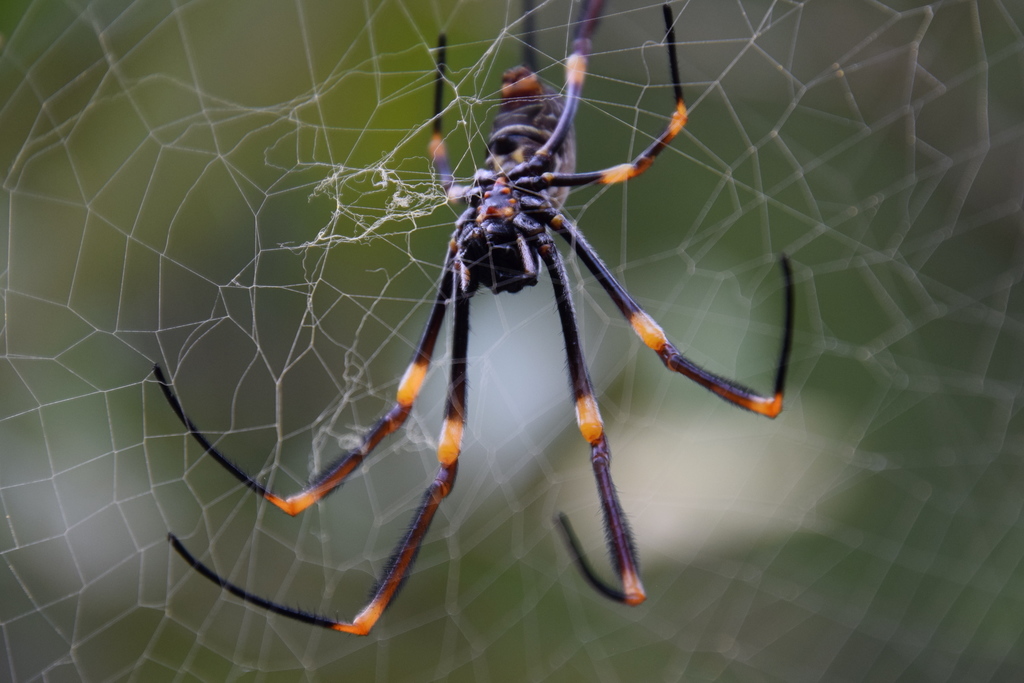
—observations
—countries
—peak records
Not EvaluatedConservation statusIUCN Red List categoriesLCNTVUENCREWEXNot Evaluated — not placed on the risk ladderRed List categories, explained →
Diet & preyCicadas, Moths, Blowflies
Predators
- Spider-hunting wasps
- Pied currawong
- Praying mantis
ThreatsBroadscale insecticide spraying, habitat fragmentation, and heavy urban development
HabitatsCoastal scrub, open eucalyptus woodlands, rainforest edges, and suburban gardens
Life span9–12 months
Classification
- FamilyAraneidae
- SpeciesTrichonephila plumipes
Range data is not available yet.
Interaction riskLow
- Low
- Moderate
- High
- Very high
- Why interaction risk is low
- Reluctant to bite and harmless to humans; safe to observe at a normal distance.
Responsible observation
- Observation: Watch the web at dawn to see the female repair broken strands or consume cached prey.
- Navigation: Look overhead along bush tracks where their large golden webs frequently stretch between trees.
- Respect: Avoid touching or disturbing the silk scaffolding, as web construction requires heavy energy investment.
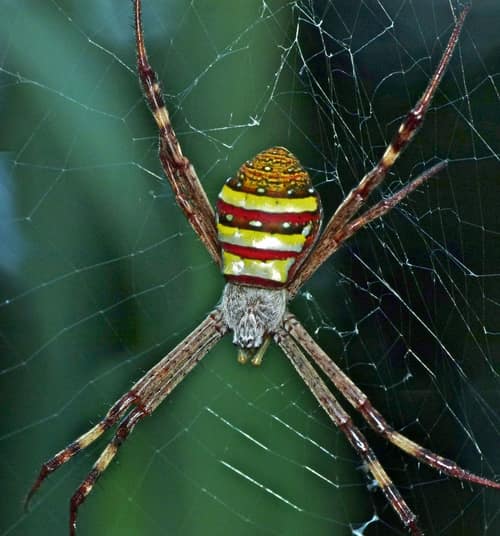
Frequent Companion (c) Steve Kerr, some rights reserved (CC BY), uploaded by Steve Kerr · cc-by Image unavailable
Predator 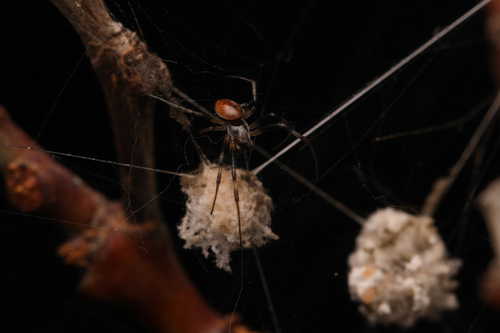
Close Relative no rights reserved · cc0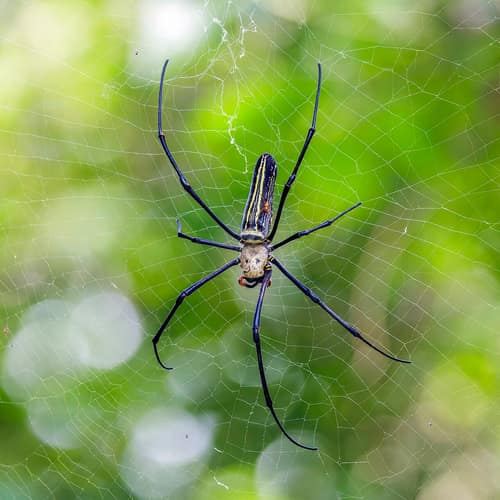
Same Family Charles J. Sharp / CC BY-SA 4.0 · cc-by-sa
Help improve the field guideSomething wrong?
Checking your Fauna account…Report a name, category, or profile issue for review.