
Insect
Lancet Clubtail
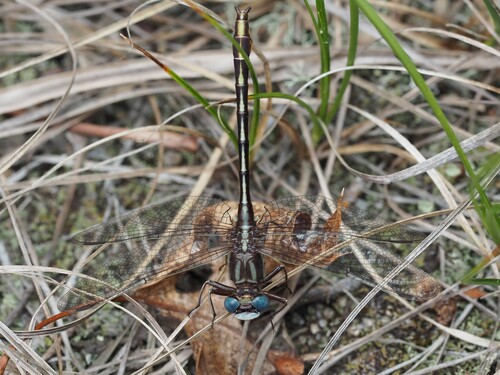
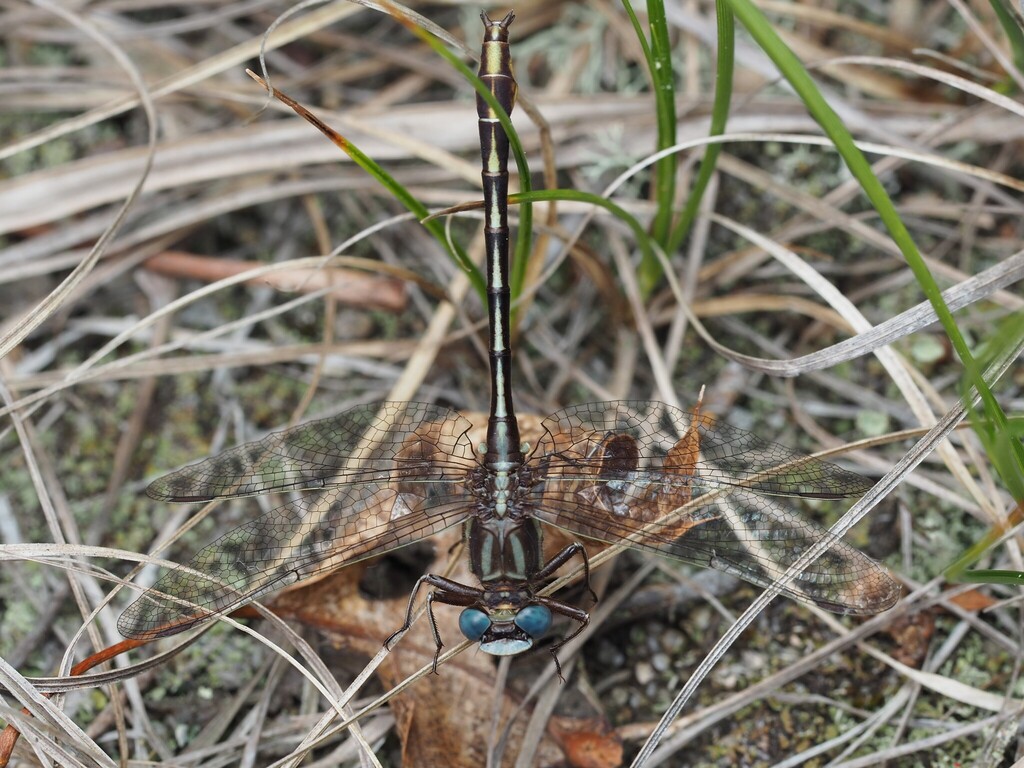
Phanogomphus exilisLancet clubtails patrol the sunny edges of ponds, lakes, and slow-moving streams throughout northeastern North America. Males feature a slender dark abdomen terminating in a pale, lance-shaped expansion that gives the species its name. Unlike many perching dragonflies, they frequently rest flat on shoreline rocks, bare earth, or low foliage between short hunting flights.
PredatoryFreshwaterHarmless
—observations
—countries
—peak records
Least ConcernConservation statusIUCN Red List categoriesLCNTVUENCREWEXLeast ConcernRed List categories, explained →
Diet & preyMosquitoes, Midges, Mayflies
Predators
- Songbirds
- Frogs
- Larger dragonflies
ThreatsWater pollution, shoreline development, and destruction of aquatic habitat
HabitatsPonds, lakes, marshes, and slow-moving streams
Life span1–2 years (mostly as aquatic nymph; 1–2 months as adult)
Classification
- OrderOdonata
- FamilyGomphidae
- GenusPhanogomphus
- SpeciesPhanogomphus exilis
Range data is not available yet.
Interaction riskLow
- Low
- Moderate
- High
- Very high
- Why interaction risk is low
- Safe to observe at a normal distance.
Responsible observation
- Approach Slowly: Walk carefully along water edges where adults rest on flat rocks or sunny ground.
- Look Groundward: Search low vegetation and bare earth rather than tall tree branches.
- Watch the Tail: Look for the distinctive lance-shaped flare at the tip of the male abdomen.
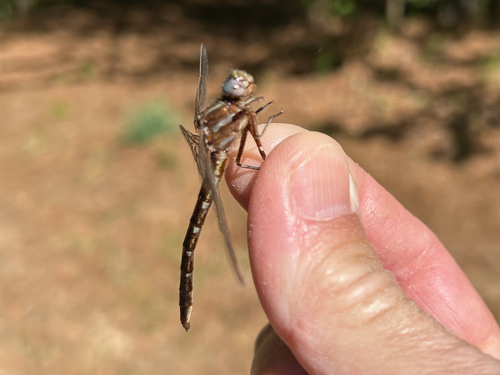
Close Relative (c) Michael J. Papay, some rights reserved (CC BY) · cc-by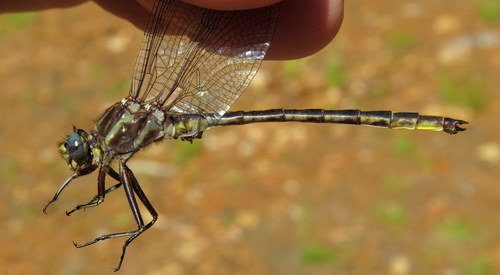
Close Relative (c) Nick Block, some rights reserved (CC BY), uploaded by Nick Block · cc-by Image unavailable
Close Relative
Keep collecting in Fauna
Found in Collections
Ecosystem chain
Wetland Territory
Lancet Clubtail is found in this collection. Identify it in Fauna to fill this slot and continue your progress.
—/12
Help improve the field guideSomething wrong?
Checking your Fauna account…Report a name, category, or profile issue for review.