
Amphibian · GBIF taxon 10807592
Subdesert Toad
Sclerophrys xerosAlso known as Desert Toad, Withered Toad, Savanna Toad
Subdesert toads thrive across northern Africa by aestivating deep underground during dry periods to conserve moisture. When seasonal rains flood ephemeral pools, adults emerge en masse to feed on insects and breed before the water disappears. Their rough, mottled brown skin provides camouflage among dry soils and desert scrubland.
NocturnalArid-AdaptedAmphibian
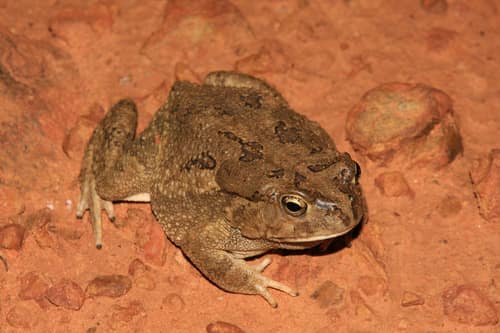
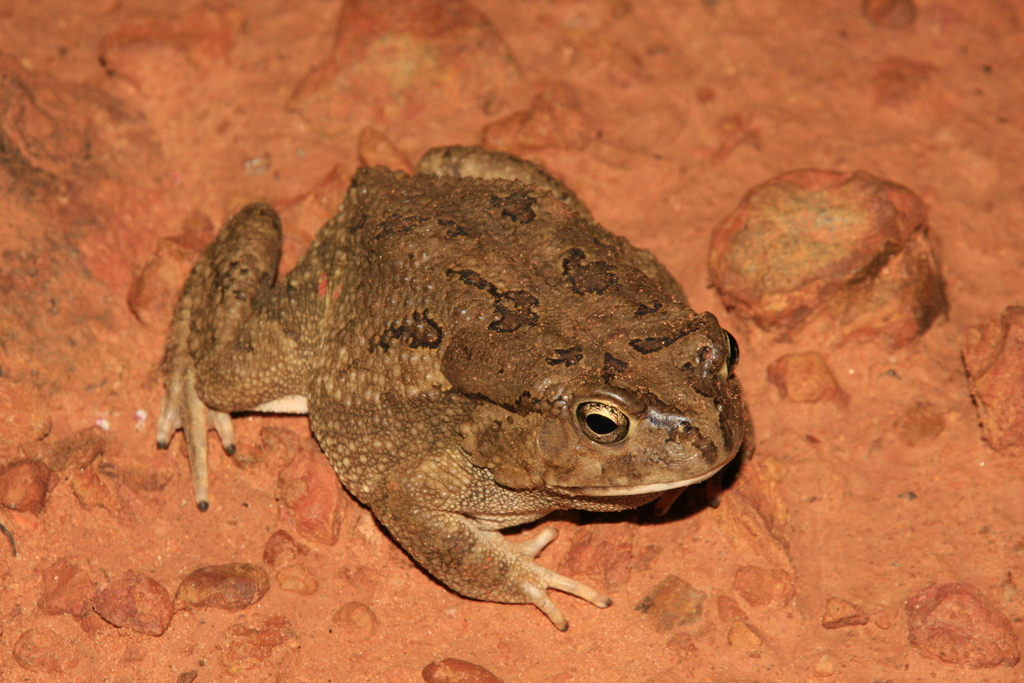
—observations
—countries
—peak records
Least ConcernConservation statusIUCN Red List categoriesLCNTVUENCREWEXLeast ConcernRed List categories, explained →
Diet & prey
- Termites
- Beetles
- Ants
Predators
- Snakes
- Birds of prey
- Small carnivores
ThreatsExtended droughts, water diversion, habitat degradation
HabitatsDry savanna, dry shrubland, deserts, intermittent rivers
Life span5-10 years
Classification
- FamilyBufonidae
- SpeciesSclerophrys xeros
Range data is not available yet.
Interaction riskHigh
- Low
- Moderate
- High
- Very high
- Why interaction risk is high
- Skin secretions can irritate eyes and are toxic to pets if ingested; wash hands after handling.
- Why it is dangerous
- Parotoid glands secrete bufotoxins that cause severe mucosal irritation and vomiting if ingested by pets.
- How to recognize a risky encounter
- Recognized by dry, warty brown skin and large parotoid glands located behind each eye.
- What to do
- Do not handle with bare hands, and keep domestic pets away from foraging toads.
Responsible observation
- Night searches: Look around temporary rainwater pools and illuminated areas after desert rains.
- Gently observe: Watch feeding behavior from a short distance to avoid startling them.
- Wash hands: Always clean hands thoroughly if accidental contact with skin secretions occurs.
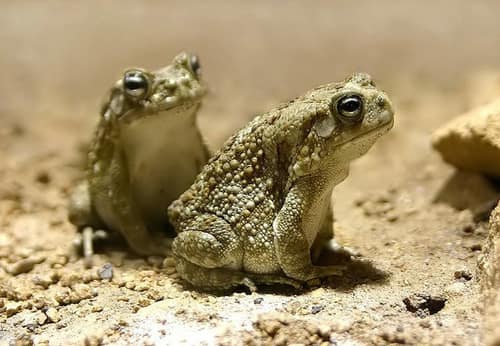
Close Relative Wikimedia Commons / CC BY-SA 2.0 de · cc-by-sa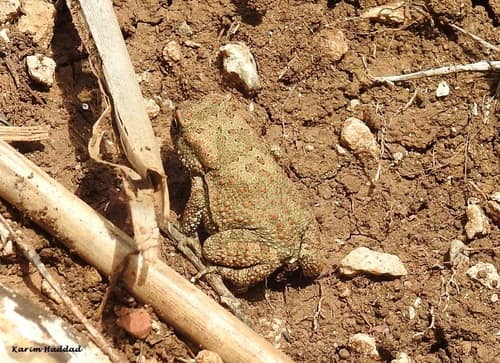
Close Relative (c) Karim Haddad, some rights reserved (CC BY) · cc-by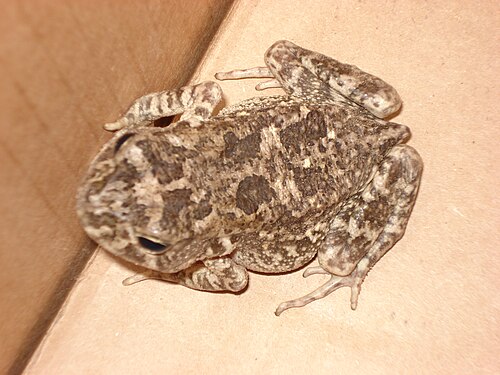
Close Relative Valerius Tygart / CC BY-SA 3.0 · cc-by-sa
Help improve the field guideSomething wrong?
Checking your Fauna account…Report a name, category, or profile issue for review.