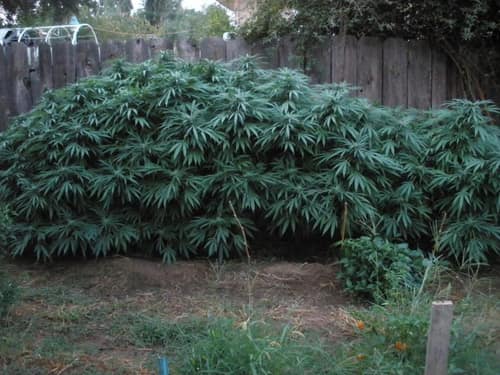
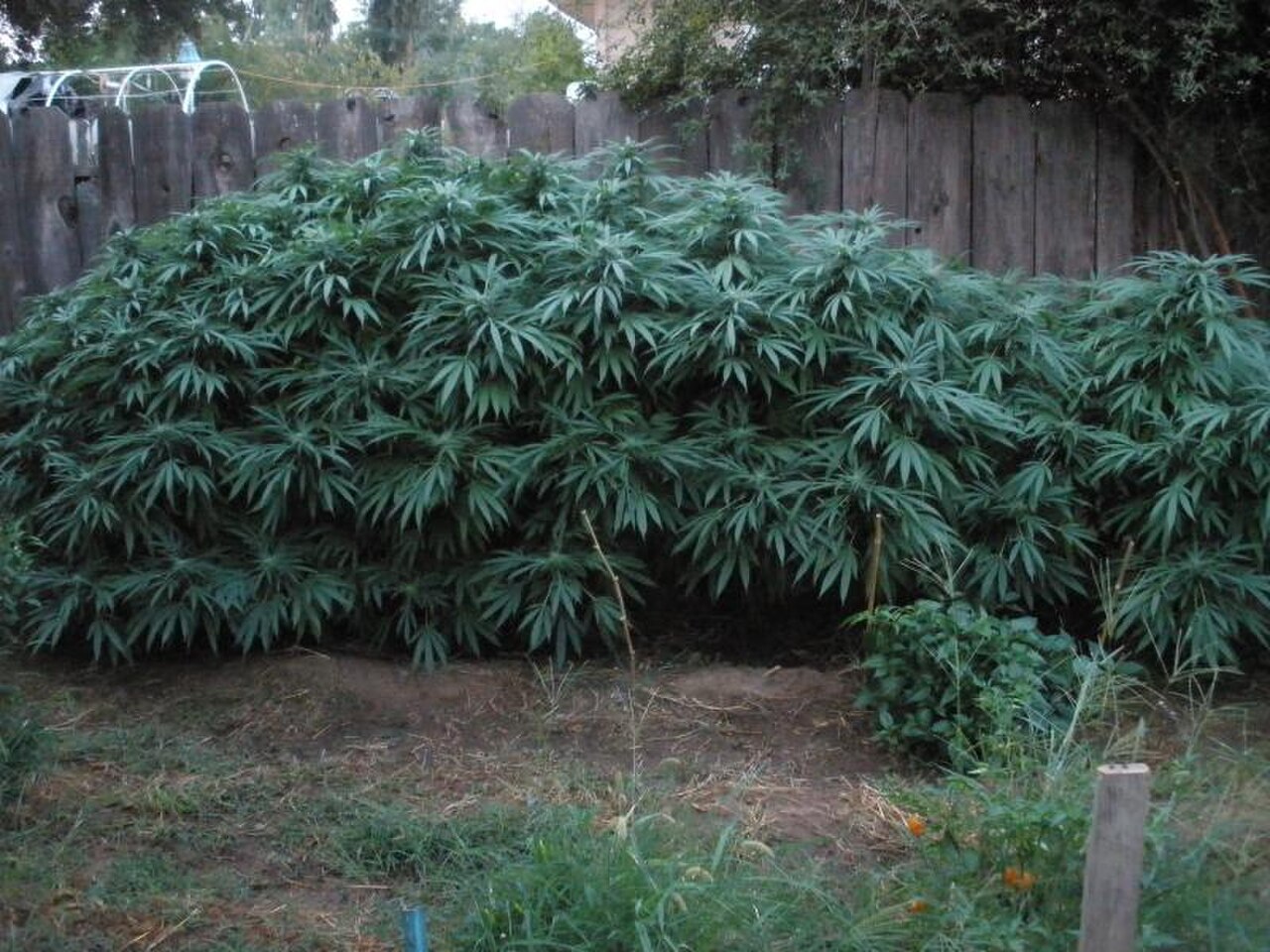
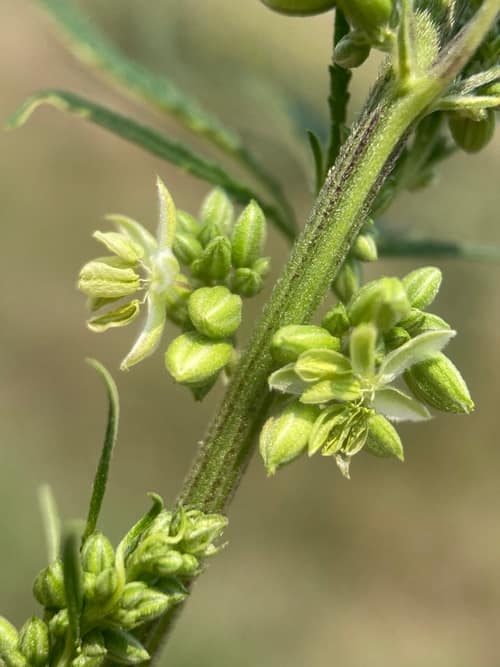
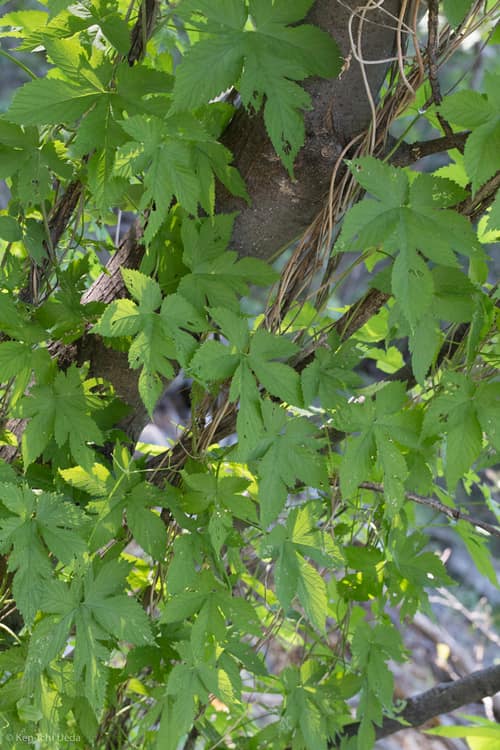
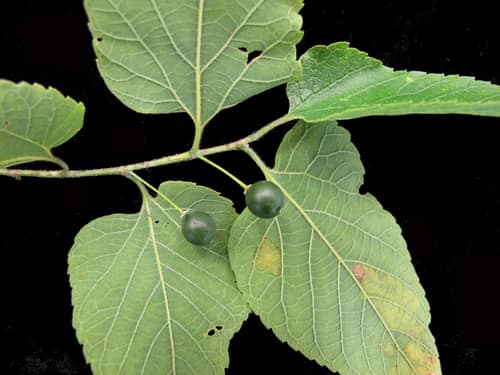
Cannabis indica is a compact, densely branched annual herb native to the rugged mountainous terrain of the Hindu Kush. Its broad, dark green leaves and prolific glandular trichomes shield developing seeds from intense alpine sunlight and dry, cold winds. The wind-pollinated flowers mature in dense clusters, exuding a pungent, terpene-rich resin that has driven human cultivation and trade across Asia for centuries.
Not EvaluatedConservation statusIUCN Red List categoriesLCNTVUENCREWEXNot Evaluated — not placed on the risk ladderRed List categories, explained →
Key facts
Diet & preyAutotrophic (photosynthetic)
Predators
Twospotted Spider Mite
Corn Earworm
Green Peach Aphid
ThreatsHabitat disruption, hybridization with industrial cultivars, and agricultural eradication efforts
HabitatsMontane valleys, rocky hillsides, and cultivated agricultural plots
Life span3 to 6 months (annual)
Classification
FamilyCannabaceae
SpeciesCannabis indica
Range & activity
Range data is not available yet.
Safe observation
Interaction riskHigh
Low
Moderate
High
Very high
Why interaction risk is high
Toxic to dogs and cats if ingested; keep away from household pets.
Why it is dangerous
Produces high concentrations of tetrahydrocannabinol (THC), which causes severe ataxia, bradycardia, tremors, and hypothermia in dogs and cats upon ingestion.
How to recognize a risky encounter
Recognized by broad, deeply serrated palmate leaflets arranged alternately on stout, woody stems with dense, sticky floral bracts.
What to do
Keep all fresh or dried plant material out of reach of companion animals, and secure indoor growing areas.
Responsible observation
Pet Safety: Ensure domestic dogs and cats cannot access raw plant material or dried flowers.
Aroma Identification: Brush foliage gently to release rich, musky terpenes without damaging resin glands.
Cultivation Laws: Check regional and national legal regulations before propagating or transporting specimens.