
Plant · GBIF taxon 10786206
Loquat
Rhaphiolepis bibasAlso known as Japanese Plum, Japanese Medlar, Nispero
Loquats are evergreen trees recognized by their large, leathery leaves with prominent veins and woolly undersides. Clusters of small, fragrant white blossoms open late in the year, ripening into fleshy fruit by spring. Birds and arboreal mammals frequently visit the canopy to disperse the hard seeds.
EvergreenFlowering TreeFruit Bearing
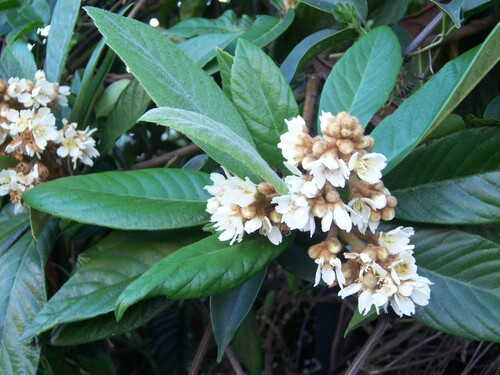
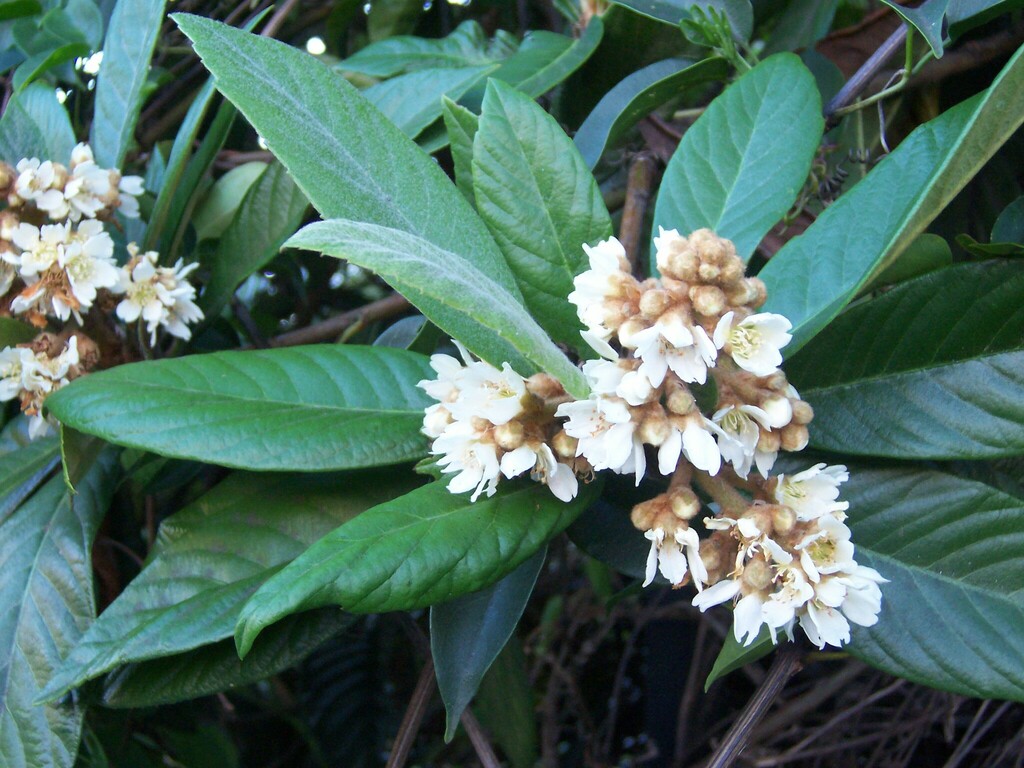
Licensed reference(c) B.navez, some rights reserved (CC BY-SA) · cc-by-sa
—observations
—countries
—peak records
Not EvaluatedConservation statusIUCN Red List categoriesLCNTVUENCREWEXNot Evaluated — not placed on the risk ladderRed List categories, explained →
Diet & prey
- Autotrophic (Photosynthetic)
Predators
- Fruit Bats
- Songbirds
- Squirrels
ThreatsHabitat clearance, fire blight bacterial infections, scale insects
HabitatsSubtropical forests, hillside thickets, orchards, urban gardens
Life span30–50 years
Classification
- FamilyRosaceae
- SpeciesRhaphiolepis bibas
Range data is not available yet.
Interaction riskHigh
- Low
- Moderate
- High
- Very high
- Why interaction risk is high
- Seeds contain toxic compounds and wild fruits have look-alikes; never consume wild plants based on app identification.
- Why it is dangerous
- Seeds contain cyanogenic glycosides such as amygdalin, which release hydrogen cyanide when crushed and digested.
- How to recognize a risky encounter
- Features dark green, deeply veined leathery leaves with woolly undersides and sweet-scented white winter flowers.
- What to do
- Avoid crushing or consuming seeds, and never ingest wild plants identified through digital apps.
Responsible observation
- Observation: Look for dense white flower clusters emerging during cold months when few other trees bloom.
- Foliage Identification: Feel the stiff, corrugated leaves with deep veins and rusty woolly undersides.
- Wildlife Watching: Watch for birds and small mammals visiting the tree canopy in late winter and spring.
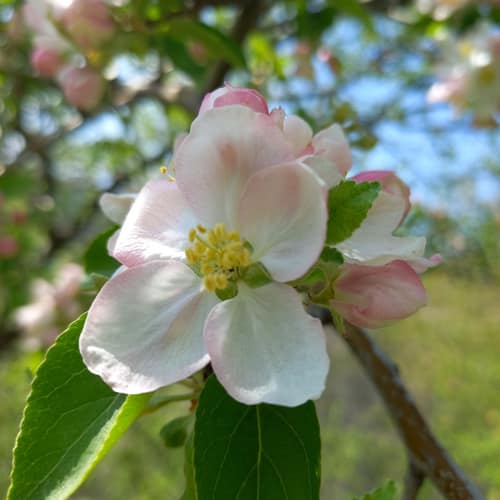
Rosaceae Kin (c) Alexander Dubynin, some rights reserved (CC BY) · cc-by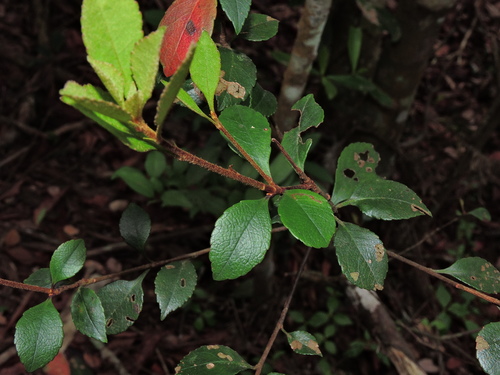
Close Relative (c) Jacy Chen, some rights reserved (CC BY), uploaded by Jacy Chen · cc-by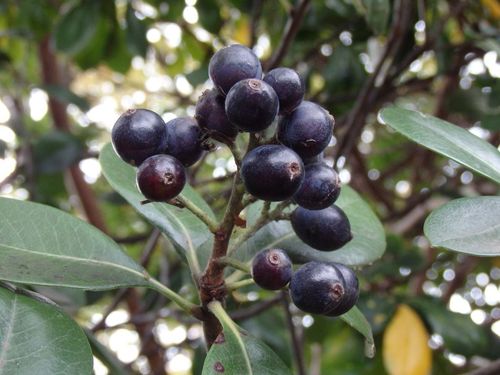
Close Relative (c) Yasuaki Kobayashi, some rights reserved (CC BY) · cc-by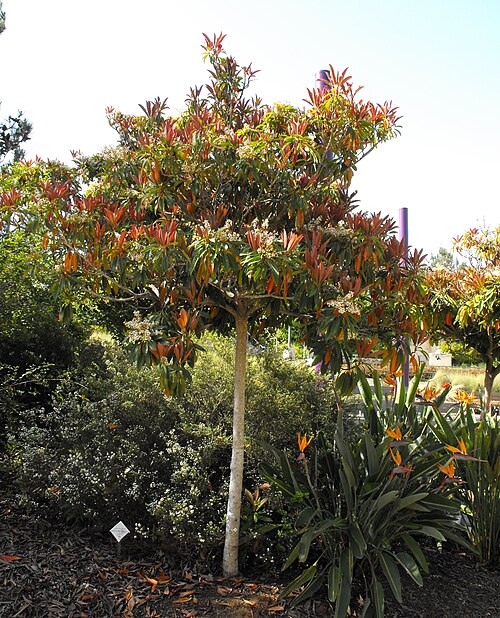
Close Relative Stickpen / Public domain · cc0
Help improve the field guideSomething wrong?
Checking your Fauna account…Report a name, category, or profile issue for review.