
Insect · GBIF taxon 1076217
Japanese Rhinoceros Beetle
Trypoxylus dichotomusAlso known as Kabutomushi, Japanese Horned Beetle, Japanese Rhino Beetle, Kabuto Beetle
Renowned for the bifurcated horn gracing male heads, Japanese rhinoceros beetles patrol oak trees after dusk to sip sweet, fermenting sap. Males engage in dramatic wrestling matches, using their impressive headgear to pry rivals off bark surfaces to win feeding rights and female attention. Their thick grubs play a vital role in forest health by breaking down decaying leaf litter and rotting logs into rich humus.
NocturnalHornedForest Dweller
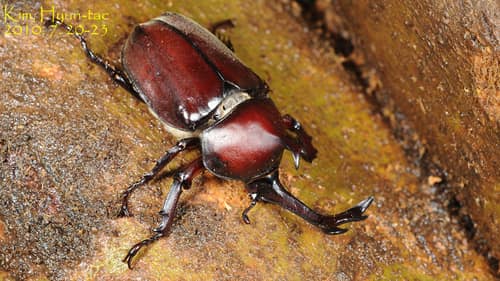
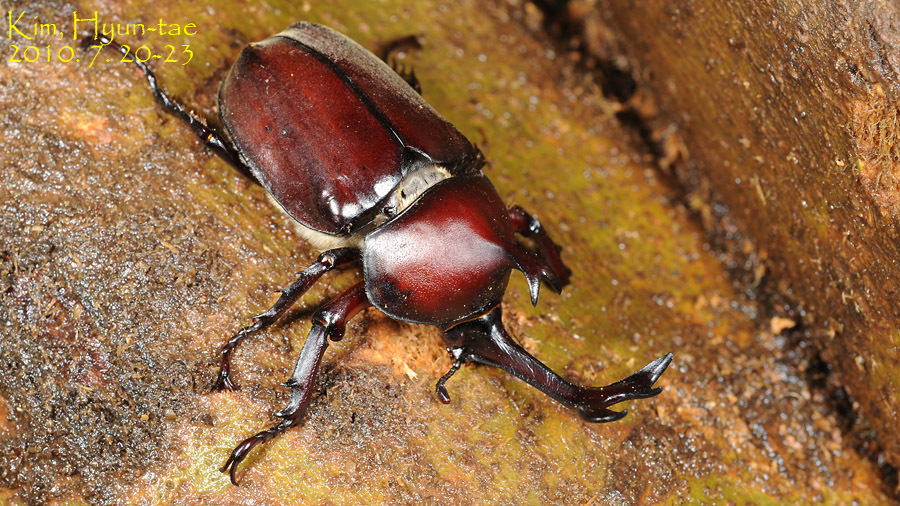 1 / 7
1 / 7—observations
—countries
—peak records
Not EvaluatedConservation statusIUCN Red List categoriesLCNTVUENCREWEXNot Evaluated — not placed on the risk ladderRed List categories, explained →
Diet & prey
- Oak tree sap
- Fermenting fruit juices
- Rotting wood
Predators
- Crows
- Raccoons
- Centipedes
ThreatsHabitat loss, over-collection, introduced predators
HabitatsSubtropical and temperate broadleaf oak forests, urban parks
Life span1–2 years (up to 4 months as adults)
Size / weightNot available
Classification
- FamilyScarabaeidae
- SpeciesTrypoxylus dichotomus
Range data is not available yet.
Interaction riskLow
- Low
- Moderate
- High
- Very high
- Why interaction risk is low
- Safe to observe at a normal distance.
Responsible observation
- Spotting: Search near sap flows on oak trunks after dusk with a dim red light.
- Handling: Let adults crawl onto open palms rather than pulling them off bark.
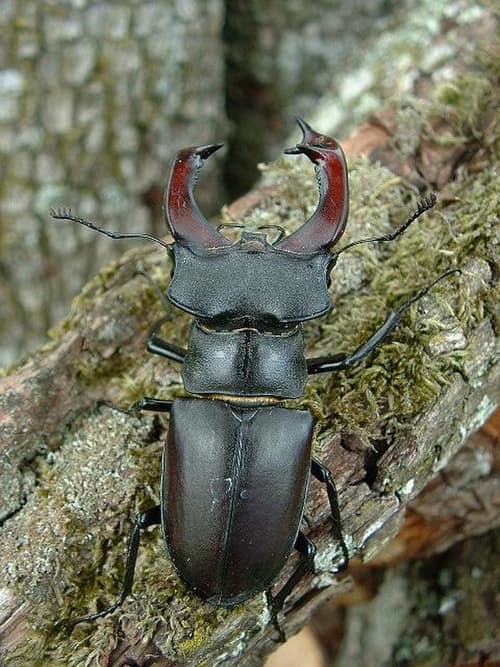
Competitor J.F. Gaffard / CC BY-SA 3.0 · cc-by-sa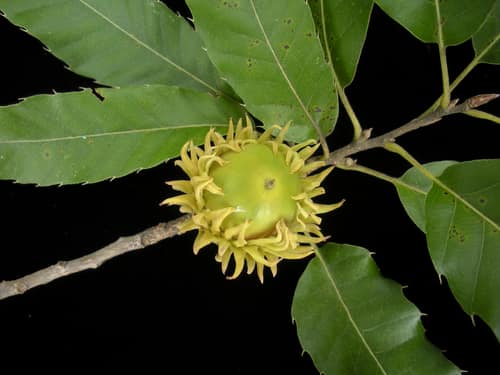
Host Plant (c) Bruce Kirchoff, some rights reserved (CC BY) · cc-by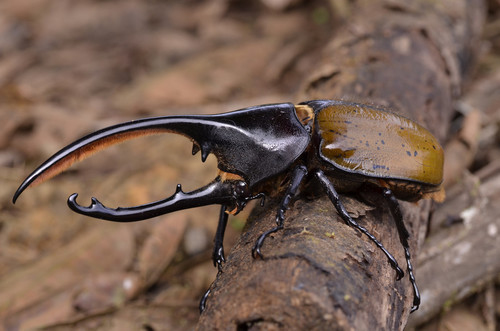
Close Relative (c) TOUROULT Julien, some rights reserved (CC BY), uploaded by TOUROULT Julien · cc-by
Help improve the field guideSomething wrong?
Checking your Fauna account…Report a name, category, or profile issue for review.