
Insect · GBIF taxon 1074597
Chiron Beetle
Chalcosoma chironAlso known as Caucasus Beetle, Giant Rhinoceros Beetle
Chiron beetles rank among the heaviest and most formidable insects on Earth, distinguished by the male's lustrous metallic sheen and trio of enormous, forward-curving horns. Males gather along canopy wounds to drink weeping tree sap, using their horns as levering pincers to violently dislodge rival suitors from tree trunks. After mating, females burrow into decaying fallen logs where their massive grubs spend up to two years feeding on rotting wood and cycling forest nutrients.
Tropical RainforestNocturnalArmored
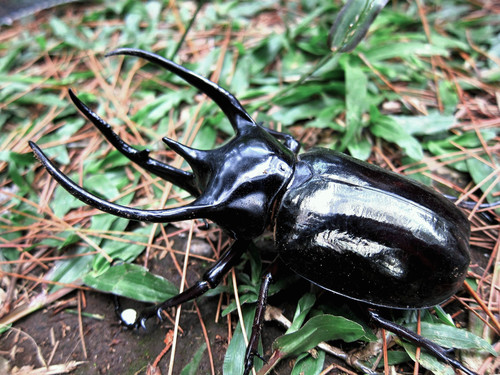
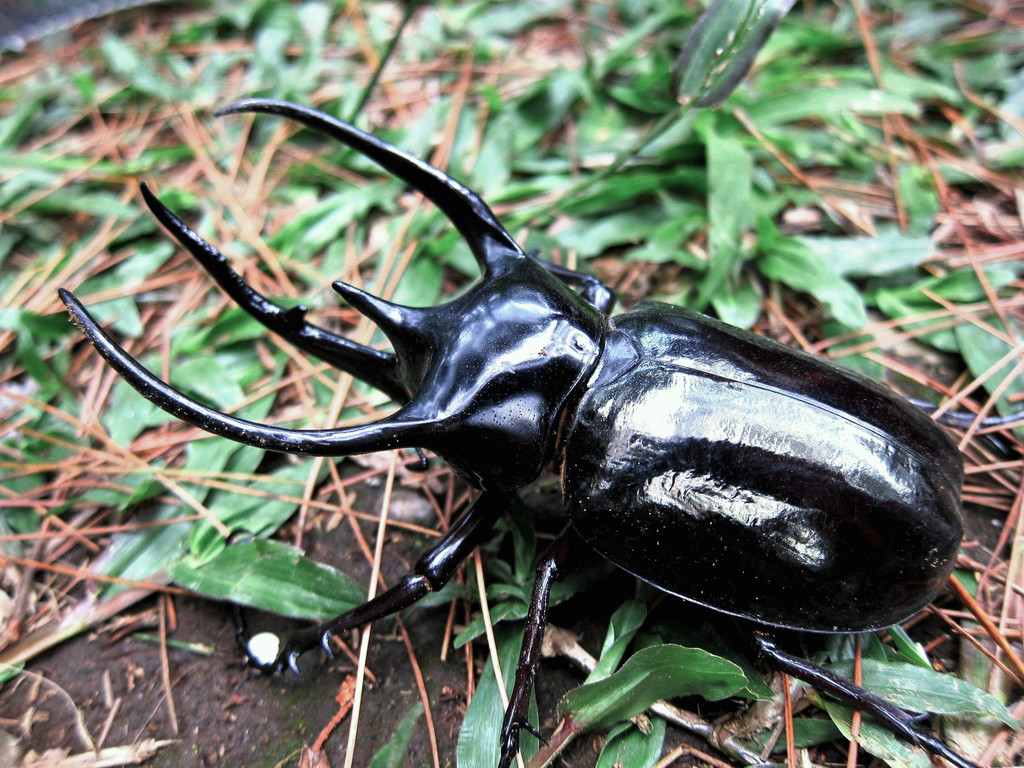 1 / 7
1 / 7—observations
—countries
—peak records
Not EvaluatedConservation statusIUCN Red List categoriesLCNTVUENCREWEXNot Evaluated — not placed on the risk ladderRed List categories, explained →
Diet & prey
- Tree sap
- Rotting fruit
- Decaying wood
Predators
- Civets
- Monitor lizards
- Owls
ThreatsRainforest logging, agricultural expansion, and wild specimen overcollecting
HabitatsLowland and montane tropical rainforests
Life span2–3 years (mostly as larvae; adults live 3–6 months)
Size / weightNot available
Classification
- OrderColeoptera
- FamilyScarabaeidae
- GenusChalcosoma
- SpeciesChalcosoma chiron
Range data is not available yet.
Interaction riskLow
- Low
- Moderate
- High
- Very high
- Why interaction risk is low
- Safe to observe at a normal distance.
Responsible observation
- Night Lighting: Search near illuminated forest stations or white sheets hung with blacklights after heavy evening rains.
- Claw Adhesion: Avoid pulling clinging individuals off surfaces forcefully, as their hooked tarsi can tear skin or break the insect's legs.
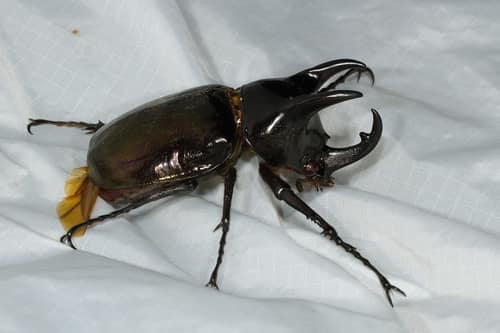
Close Relative (c) dhfischer, some rights reserved (CC BY), uploaded by dhfischer · cc-by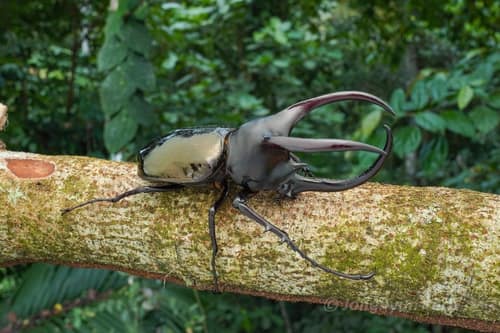
Close Relative (c) Jonghyun Park, some rights reserved (CC BY), uploaded by Jonghyun Park · cc-by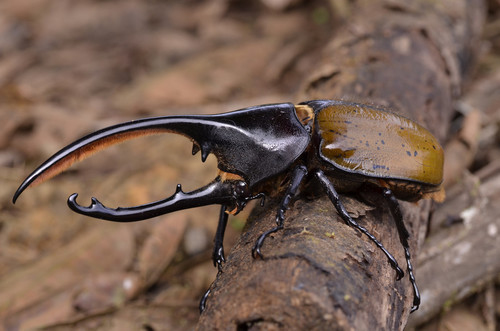
Same Family (c) TOUROULT Julien, some rights reserved (CC BY), uploaded by TOUROULT Julien · cc-by
Help improve the field guideSomething wrong?
Checking your Fauna account…Report a name, category, or profile issue for review.