
Insect · GBIF taxon 1074527
Eastern Hercules Beetle
Dynastes tityusAlso known as Unicorn Beetle, Rhinoceros Beetle, Eastern Rhinoceros Beetle
Eastern Hercules beetles are among the largest and heaviest insects in North America, named for the sweeping horns borne by adult males. These striking beetles display shell covers that range from greenish-gray to yellowish-tan with dark brownish spots, changing color to solid black in high humidity. Larvae spend up to three years inside decaying oak and ash logs consuming rotting wood before emerging as short-lived adults to mate.
NocturnalLarge InsectForest Dweller
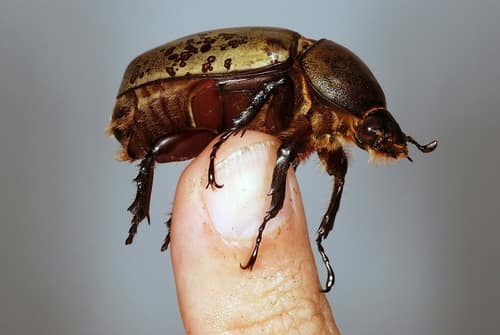
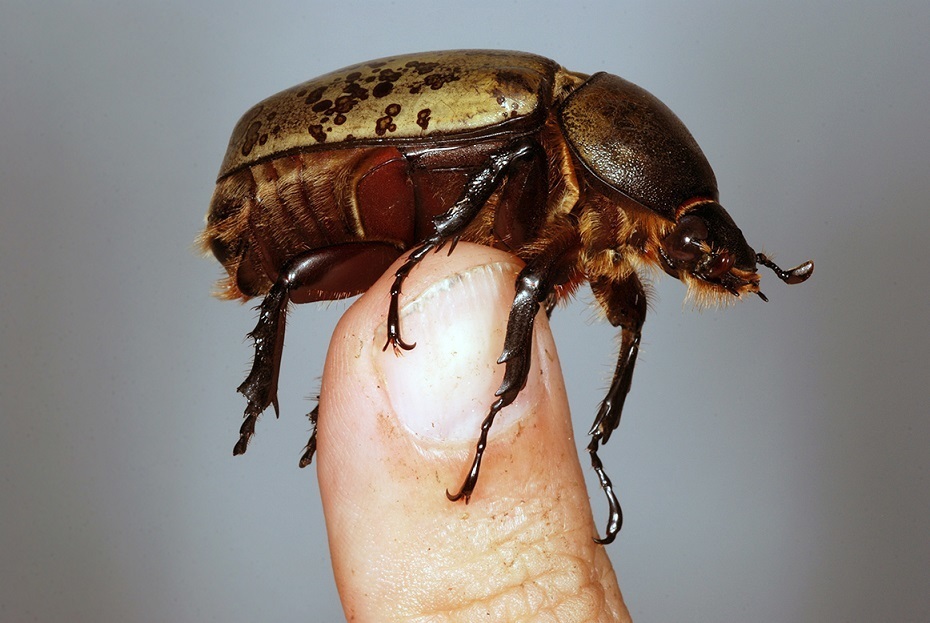 1 / 7
1 / 7—observations
—countries
—peak records
Not EvaluatedConservation statusIUCN Red List categoriesLCNTVUENCREWEXNot Evaluated — not placed on the risk ladderRed List categories, explained →
Diet & prey
- Decaying Hardwood
- Tree Sap
- Overripe Fruit
Predators
- Raccoons
- Opossums
- Insectivorous Birds
ThreatsHabitat loss, removal of fallen timber and decaying stumps
HabitatsDeciduous forests, hardwood groves, suburban woodlands
Life span2–3 years
Size / weightNot available
Classification
- OrderColeoptera
- FamilyScarabaeidae
- GenusDynastes
- SpeciesDynastes tityus
Range data is not available yet.
Interaction riskLow
- Low
- Moderate
- High
- Very high
- Why interaction risk is low
- Sharp tarsal claws and male horns can pinch skin; observe safely without picking them up.
Responsible observation
- Finding Adults: Look near bright porch lights and illuminated walls near hardwood forests on warm summer nights.
- Handling Caution: Allow beetles to crawl over flat palms rather than gripping them to avoid claw scratches.
- Habitat Support: Retain fallen logs and rotting stumps in woodland areas to provide critical larval food.
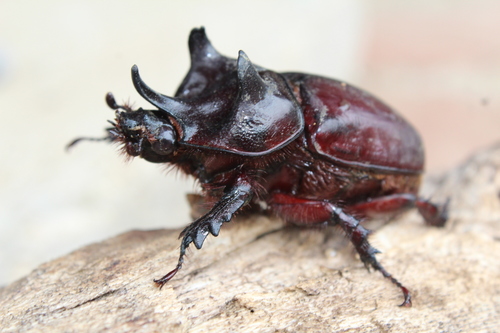
Co-occurring Scarab (c) Julián-Caballero C. Camilo, some rights reserved (CC BY), uploaded by Julián-Caballero C. Camilo · cc-by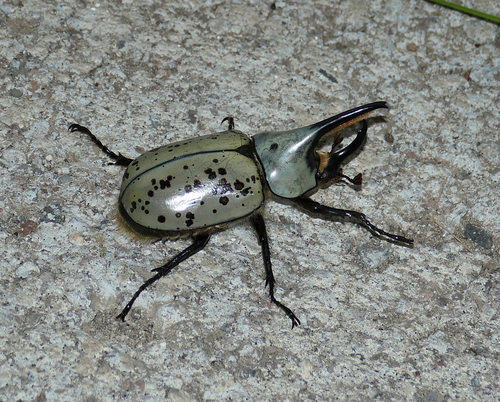
Close Relative (c) Wendy McCrady, some rights reserved (CC BY) · cc-by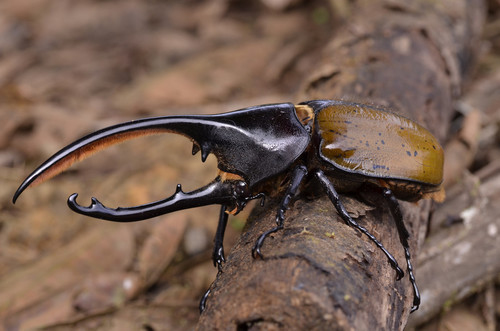
Genus Relative (c) TOUROULT Julien, some rights reserved (CC BY), uploaded by TOUROULT Julien · cc-by
Help improve the field guideSomething wrong?
Checking your Fauna account…Report a name, category, or profile issue for review.