
Species · GBIF taxon 10729506
Channa ara
Channa araAlso known as Sri Lanka Giant Snakehead, Sri Lanka Bullseye Snakehead
Cruising the shaded forest streams and lowland floodplain rivers of southwestern Sri Lanka, this large ambush hunter relies on an obligate air-breathing organ to thrive in warm, stagnant, or deoxygenated waters. Adults maintain defined territories and exhibit elaborate parental care, fiercely defending floating egg clusters and schooling shoals of bright reddish-orange fry against intruders. Formerly grouped under the widespread bullseye snakehead complex, it represents a distinct island lineage shaped by specialized rainforest river systems.
FreshwaterAmbush PredatorAir Breathing
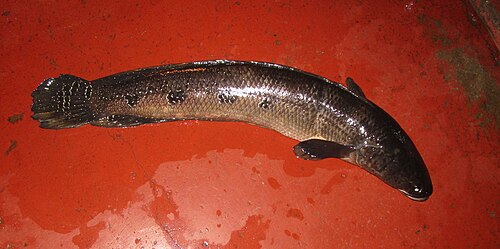
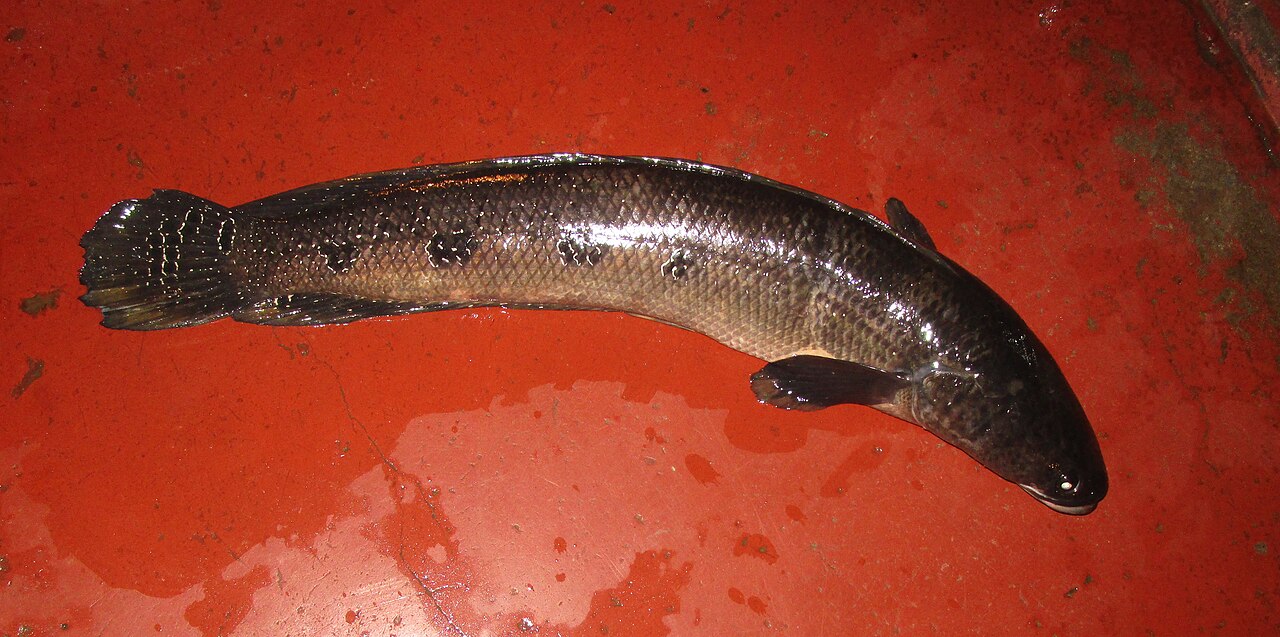
Licensed referenceAnup Sadi / CC BY-SA 4.0 · cc-by-sa
—observations
—countries
—peak records
EndangeredConservation statusIUCN Red List categoriesLCNTVUENCREWEXEndangeredRed List categories, explained →
Diet & prey
- Puntius species
- Freshwater crabs
- Torrent frogs
Predators
- Smooth-coated Otter
- Water Monitor
- Fishing Cat
ThreatsHabitat loss from sand mining, agricultural runoff, deforestation, and overcollection
HabitatsSlow-flowing forested streams, shaded rivers, and lowland wetlands
Life span10–15 years
Classification
- FamilyChannidae
- SpeciesChanna ara
Range data is not available yet.
Interaction riskLow
- Low
- Moderate
- High
- Very high
- Why interaction risk is low
- Equipped with powerful jaws and sharp teeth; avoid bare-handed handling to prevent deep bites.
- Why it is dangerous
- Equipped with numerous sharp, backward-pointing teeth and forceful jaw muscles capable of inflicting severe puncture lacerations.
- How to recognize a risky encounter
- Look for a flattened snake-like head, wide tooth-bearing maw, and dark blotched flanks tapering to a long dorsal fin.
- What to do
- Never pick up a live specimen by the mouth or gills; use a damp knotless landing net if handling is necessary.
- What to notice
- Recognized by its dark greenish-olive dorsal coloration, pale belly, and distinctive ocellated markings toward the tail.
- Support conservation
- Maintain a respectful distance from mated pairs to avoid scattering guarded fry schools into predator range.
Responsible observation
- Observation: Scan calm, shaded pools near submerged tree roots where adults sit motionlessly waiting for prey.
- Photography: Use a polarizing lens filter to cut surface reflection when shooting down into clear tropical riverbeds.
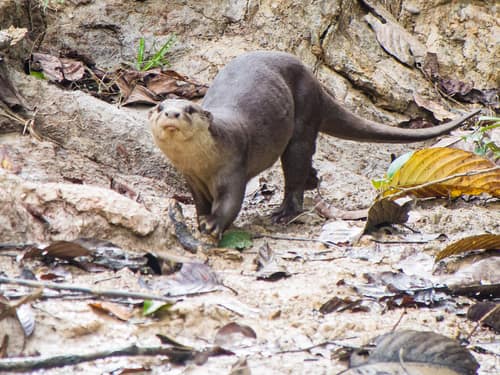
Predator "Smooth-coated Otter" by Mike Prince is licensed under CC BY 2.0. To view a copy of this license, visit https://creativecommons.org/licenses/by/2.0/. · cc-by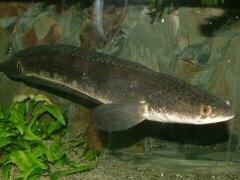
Close Relative (c) Reezwan, some rights reserved (CC BY-SA) · cc-by-sa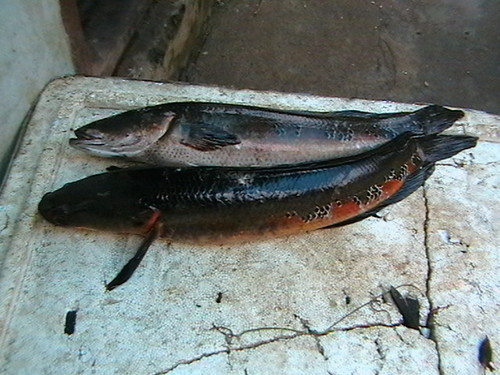
Close Relative (c) Navaneeth Sini George, some rights reserved (CC BY), uploaded by Navaneeth Sini George · cc-by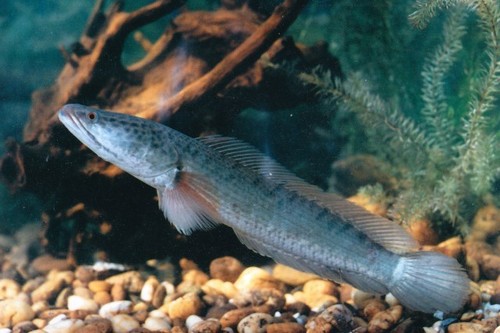
Same Family (c) BEDO (Thailand), some rights reserved (CC BY-SA) · cc-by-sa
Help improve the field guideSomething wrong?
Checking your Fauna account…Report a name, category, or profile issue for review.