Adult flamed tarantula-hawk wasps are vivid desert nectar feeders that spend early mornings visiting flowering mesquites, milkweeds, and soapberry blossoms. Male wasps establish landmark-based territories atop high hilltops or prominent desert shrubs, perching conspicuously and aggressively intercepting rivals in spectacular aerial combat. Mated females hunt sprawling arid soils for burrowing tarantulas, utilizing keen antennae to track host silk before grappling underground to deliver a paralyzing sting.
Not EvaluatedConservation statusIUCN Red List categoriesLCNTVUENCREWEXNot Evaluated — not placed on the risk ladderRed List categories, explained →
Key facts
Diet & preyDesert Tarantula, Milkweed Nectar, Mesquite Sap
Predators
Greater Roadrunner
Bullfrog
Kingbird
ThreatsHabitat fragmentation, widespread pesticide application, and decline of tarantula host populations
HabitatsArid deserts, chaparral, dry canyons, and foothill scrublands
Life span1–2 years total life cycle; adult flight stage lasts 2–4 months
Classification
FamilyPompilidae
SpeciesHemipepsis ustulata
Range & activity
Range data is not available yet.
Safe observation
Interaction riskVery high
Low
Moderate
High
Very high
Why interaction risk is very high
Females possess an exceptionally painful sting; observe quietly from several paces and never handle.
Why it is dangerous
Females possess a long stinger delivering neurotoxic venom that triggers instant, blinding agony rated among the most painful insect stings known, along with systemic allergen risks.
How to recognize a risky encounter
Recognized by its massive metallic blue-black body, very long spiny legs, and fiery amber-orange wings tipped with dark edges.
What to do
Give active wasps ample clearance; if one buzzes nearby, remain motionless until it departs and never attempt to capture it bare-handed.
Responsible observation
Observation distance: Keep at least two to three meters away while they feed peacefully on desert blossoms.
Avoid entrapment: Never swing at or pin a resting wasp, as females only sting defensively when handled or pressed.

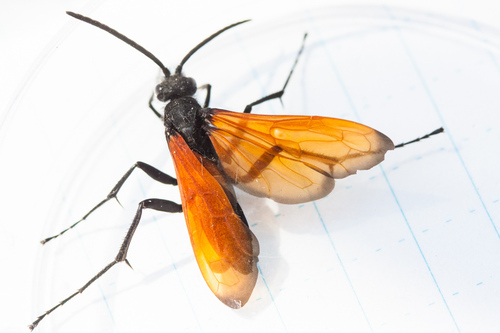
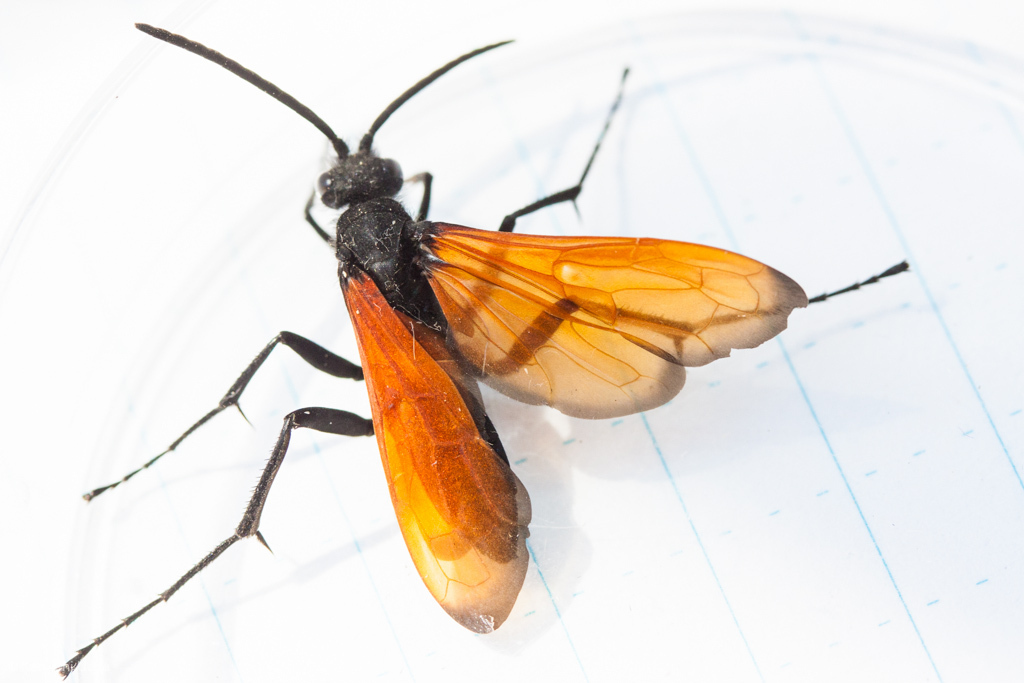
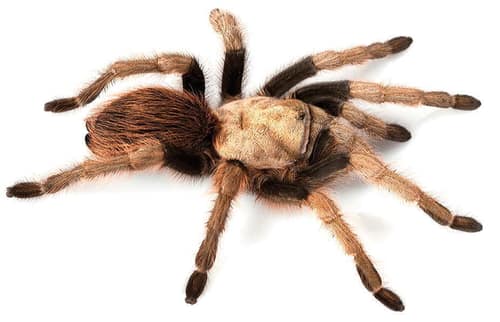
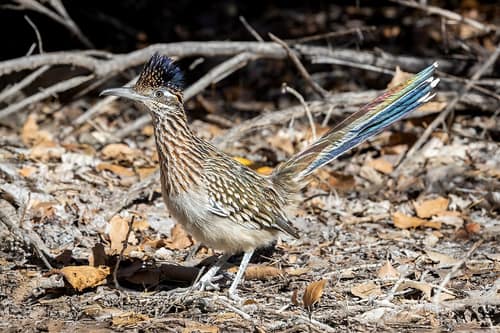
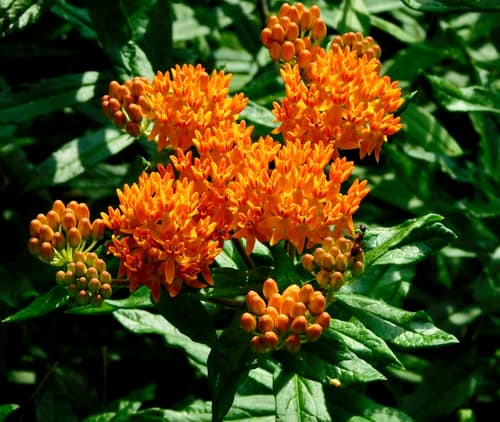
 Image unavailable